
The Cockroach Janta Party (CJP) has criticised Delhi Police for blocking its proposal to hold a protest in Jantar Mantar, and has launched a campaign on social media: “Close the country, close the election.
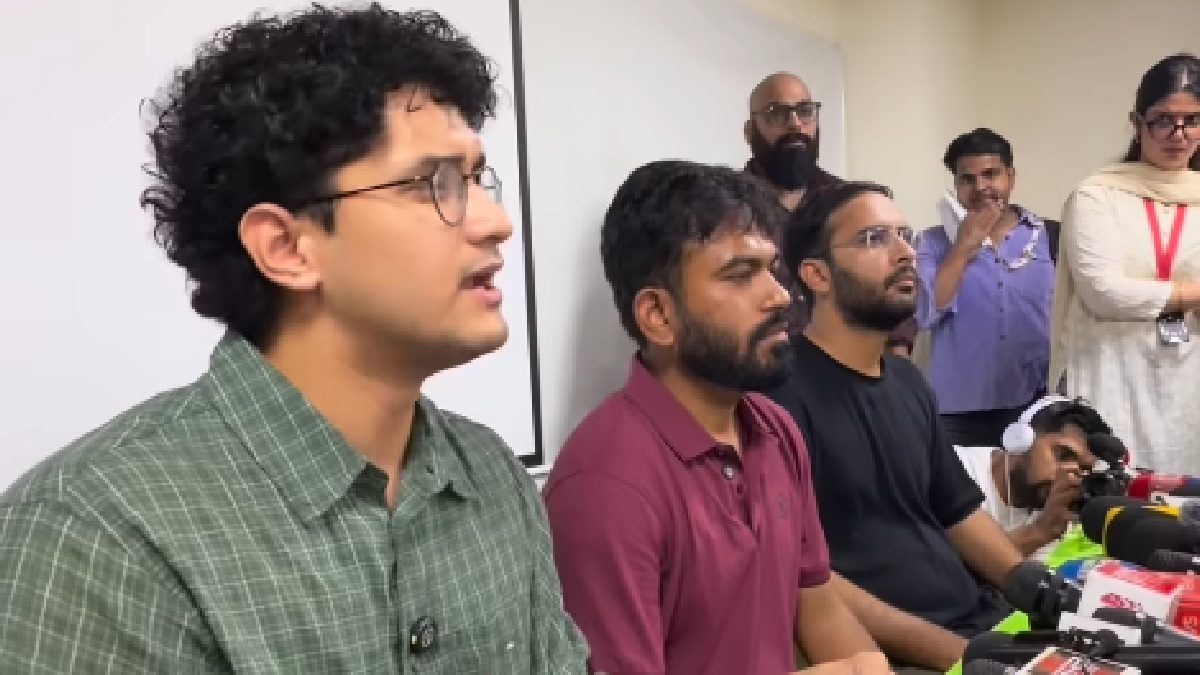
” Their criticism also comes during a dispute over how it will hold a protest on October 10 in New Delhi and how it wants Chief Election Commissioner Gyanesh Kumar to resign for alleged irregularities in the Special Intensive Revision (SIR) of electoral rolls.
The controversy has only intensified when Delhi Police defended the decision to deny permission for the proposed gathering. The police said that although we can protest, we also have a duty to keep public safety, control crowds and keep the capital moving; they went on to say in a post on X on October 9.
CJP’s response has put protest restrictions in sharp relief, in the public space as well as the administrative considerations of how to have political protest. The party’s slogan seems to challenge the police’s ban on its intended demonstration and to stress the opposition.
Why Delhi Police Denied Permission For The Protest
Delhi Police cited several reasons for denying CJP permission to hold its October 10 protest at Jantar Mantar. These were the short notice for the proposed demonstration, violations during previous protests in July and safety concerns in the public.
The police said New Delhi houses important government establishments and offices of constitutional bodies. They claimed that the restrictions on demonstrations were necessary to prevent overcrowding, traffic and protect protesters, security personnel and members of the public.
The police also said that residents, office workers and commuters must be able to go about their daily life safely. Large gatherings in central Delhi can be difficult to get around by the police in some cases as security arrangements and traffic control are needed around important institutions.
The police said in its public statement that the right to protest must be protected. But it argued that exercising that right should be weighed against the need for public order and ensuring the city continues to function safely.
CJP's criticism is in response to this position. The party’s slogan, “Close the country, close the election,” frames the disagreement as a challenge to the restrictions placed on its political demonstration.
CJP's Demand For Gyanesh Kumar's Resignation
CJP has also asked for the resignation of Chief Election Commissioner Gyanesh Kumar. The party has made allegations about lapses in the Special Intensive Revision of electoral rolls and wants the issue to get more attention.
The SIR process is done by reviewing and updating electoral rolls. Revising voter lists is intended to improve voter lists but the process has also led to political debate over its implementation.
CJP planned to take the Jantar Mantar demonstration to press its demands and to show its opposition to the electoral roll revision exercise. It is the party that is raising allegations and demanding responsibility at the top level of the Election Commission.
CJP's allegations can be distinguished from well-established findings. The police's decision to deny permission for the demonstration does not, by itself, establish whether the party's claims regarding the SIR process are correct.
The right to protest becomes a point of dispute.
The issue is a point of view on a larger issue of freedom of assembly in India, which is not easily addressed. People from political parties, civil society groups and the public in general can protest and say a lot and seek the action of public authorities.
At the same time, public order authorities need to assess requests for demonstrations and consider crowd size, security requirements, traffic disruption and the location of the proposed gathering.
Jantar Mantar is a popular place to protest in the national capital, so protests require permissions and conditions to be met. In this case, the police has justified their decision in terms of practical (and security) reasons for holding the event.
CJP, for its part, has also made the denial of permission a point of contention in its campaign. It criticizes the SIR issue as well as political groups’ ability to organise demonstrations and to communicate their demands publicly.
What Happens Next?
The dispute between CJP and Delhi Police adds to the political debate around electoral roll revision and protest permissions in the capital. The police are sticking to the safety and administrative rationale they have in place, while CJP has a slogan against the move.
The immediate question is whether the party will seek alternative arrangements to keep up the campaign or if it will step up to challenge the denial of permission. What happens would determine how the party would press on with Gyanesh Kumar's resignation.
The episode also reminds us that it is critical to communicate when government wants to keep demonstrations in check. The public need to know why the government has restricted the demonstrations and political groups need to be able to answer the question of whether or not they are justified.
For now, the CJP-Delhi Police dispute is based on the proposed Jantar Mantar protest, the allegations regarding the SIR process and the conflict between peaceful political expression and public safety.







Comments
Leave a Comment