
As Diwali and Chhath Puja approach, migrant workers from Bihar and Jharkhand are leaving major cities to return to their hometowns, triggering a massive rush at railway stations across the country.
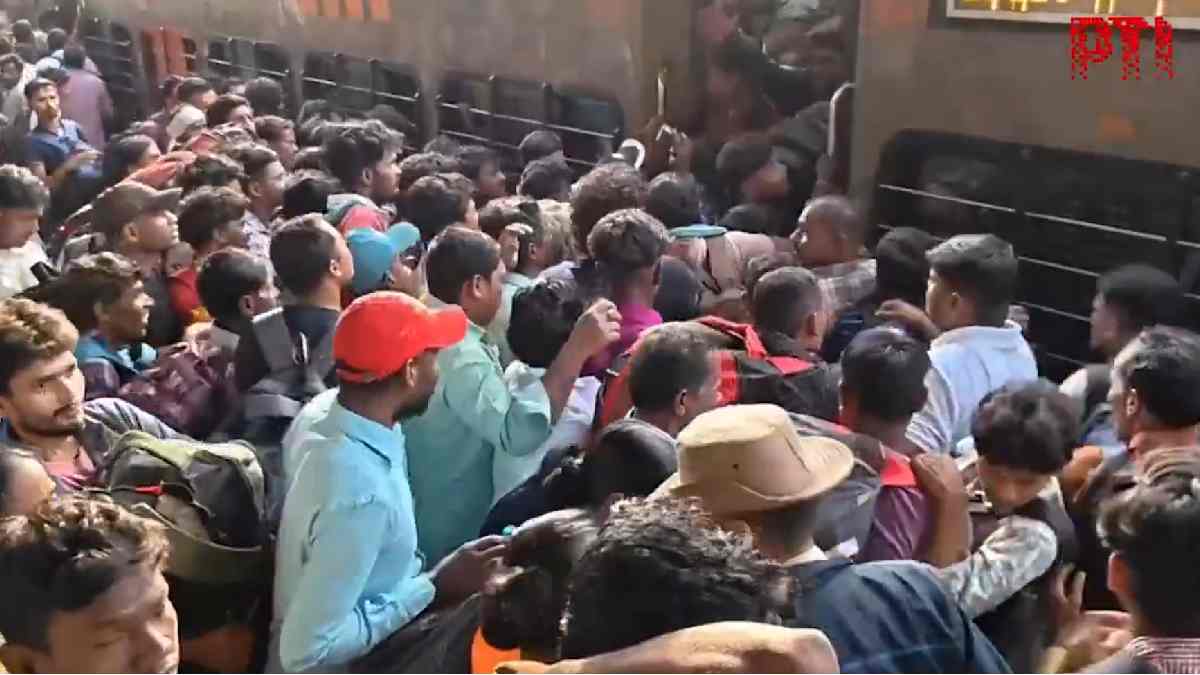
Major railway hubs have witnessed large crowds as workers try to board trains to reach their families for the festive season. Many migrants travel hundreds or even thousands of kilometres to celebrate with their families. Indian Railways has introduced 18,000 additional special trains in anticipation of the increased passenger load, but confirmed tickets remain difficult to secure, with waiting lists running into hundreds on several routes.
The problem does not end with the availability of additional trains. Even with special services, passengers face overcrowding and delays as many special trains face a minimum 8-hour delay from the southern states while the journey is already around 48 hours. Adding more trains without sufficient additional track capacity can put further pressure on already busy railway corridors, forcing trains to wait for operational clearance between railway stations, causing stress as people cannot even get down from the train to a proper station to relax.
For many migrants, flights are expensive, while long-distance bus journeys are not always a practical alternative. The result is that millions continue to depend on an already overstretched railway network to reach home.
The scale of this year's rush is visible across the country. According to the Ministry of Railways, New Delhi Railway Station's daily passenger footfall rises from over five lakh to approximately eight lakh during peak festive periods. Bengaluru's major railway stations collectively recorded around one crore passenger movements between Oct 1 and Nov 5, 2026.
VIDEO | Tamil Nadu: Migrant workers from northern states have begun heading home from Tiruppur to celebrate Diwali with their families. As thousands of passengers wait to board, the overwhelming rush forces desperate commuters to cling to train footboards. With coaches packed to capacity, desperate passengers are pushing their way inside. The journey to Bihar and Jharkhand, taking roughly 48 hours across Tamil Nadu, Andhra Pradesh, and Odisha has turned into an grueling ordeal for these workers. Despite the railway authorities announcing special festive trains, severe overcrowding persists because the total capacity falls far short of demand. A vast number of them are heading home to celebrate Diwali, Govardhan Puja, and Chhath Puja with their families. (Full video available on PTI Videos - https://t.co/bIyFWTfmBd)
— Press Trust of India (@PTI_News) November 7, 2026
The cost of going home
These migrant workers spend most of the year working in major cities, sending money back to their families and supporting themselves and their dependants. The festive season becomes one of the few opportunities to return home, attend weddings, meet relatives and address personal and family commitments.
Many also carry gifts for their families, sometimes spending a substantial portion of their earnings on travel and festive expenses.
However, the journey itself has become increasingly difficult. A few days ago, passengers travelling in an AC three-tier coach of the Ahmedabad–Gorakhpur Express at Bhopal's Sant Hirdaram Nagar station reportedly pulled the emergency chain amid overcrowding after passengers without reservations entered reserved coaches.
Reports and videos from the incident showed passengers struggling for space, with even those holding confirmed AC tickets finding it difficult to move around their coaches.
The need for better railway infrastructure
Everyone wants to go home, but no one wants to spend a 48-hour journey in an overcrowded coach with poor hygiene despite paying for a confirmed ticket.
India needs better, more efficient railway infrastructure, including additional track capacity, more coaches, and improved crowd management. Every year, seasonal migration puts additional pressure on the railway network, and the demand continues to grow during festivals.
The problem is not simply the number of trains but whether the existing infrastructure can accommodate them efficiently.
The railway waiting-list system also adds to the confusion. Under IRCTC rules, fully waitlisted e-tickets are automatically cancelled after chart preparation, and passengers are not permitted to board. However, some passengers continue attempting to travel with such tickets, contributing to confusion and disputes inside already crowded coaches.

Comments