
The El Niño weather phenomenon is expected to intensify in the coming months before hitting its peak around December 2026, with forecasts suggesting that it will last until February 2027, WMO said.
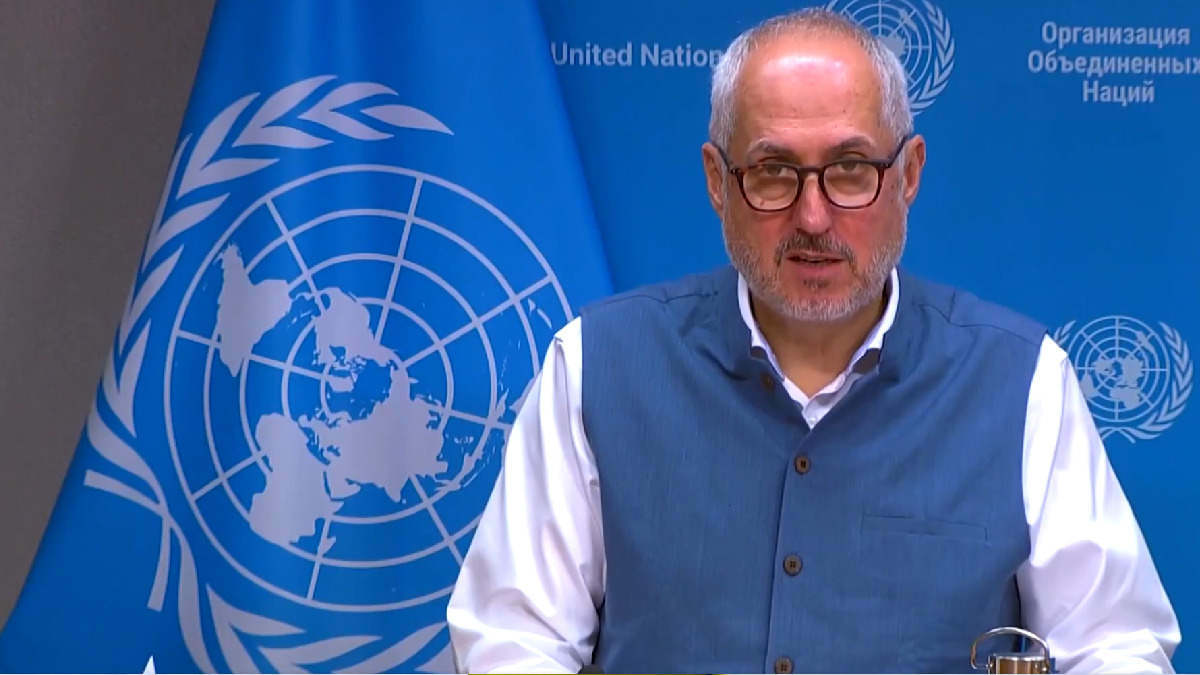
The developing climate pattern has raised concerns among weather experts and international agencies because it may affect temperatures, rainfall distribution and extreme weather events in several areas. Stéphane Dujarric, the United Nations' spokesperson, said that the phenomenon may damage economies, ecosystems and communities worldwide and it would raise the risk of longer dry conditions and excessive rainfall.
El Niño is a natural climate phenomenon characterised by unusually warm sea surface temperatures in the central and eastern equatorial Pacific Ocean. El Niño is part of the El Niño-Southern Oscillation (ENSO), a climate pattern that fluctuates between El Niño, La Niña, and neutral conditions. The climate patterns in such a phase influence atmospheric circulation and can affect weather across the Pacific Ocean. When El Niño occurs, sea temperatures change, and the winds, cloud formation and rainfall change, so that weather in countries thousands of kilometres away from the Pacific Ocean can be affected.
According to the WMO's forecast, the current El Niño event is likely to strengthen before reaching its peak in December. Its persistence through February 2027 means that it could continue to have climate effects in Northern Hemisphere winters and then into the following months. However, the exact impact will vary from region to region, depending on local weather systems, climate conditions, and other atmospheric factors. The WMO’s warning is that it is important to keep an eye on updated seasonal forecasts and not assume all countries will be affected by the same weather effect.
El Niño is expected to intensify before peaking in December and is nearly 100% certain to persist until February 2027, according to the World Meteorological Organization. UN spokesperson Stéphane Dujarric warned that the event could disrupt economies, ecosystems and communities worldwide, bringing above-average temperatures and shifting rainfall patterns, raising the risk of droughts and floods. #ElNiño
— DD News (@DDNewslive) October 9, 2026
One of the main problems with El Niño is that it could increase global average temperatures. The event releases additional heat into the atmosphere through ocean-atmosphere interactions and might temporarily amplify the long-term human-driven global warming effects.
If the event is at its worst, then a number of areas could become hotter than average and more likely to suffer from heat stress, pressure on water resources and demand for electricity for cooling. In the extreme heat situation, vulnerable populations, outdoor workers, older people and those who are not able to access cooling facilities may be more vulnerable to it.
El Niño can also change rainfall patterns drastically and may cause drought in a few of the country’s regions and heavy rain and flooding elsewhere. In areas that typically receive less rain during El Niño events, reservoir levels may dip, and crop stress and water shortages may be a result. But others are more likely to experience flash flooding, river flooding, landslides and damage to roads, homes and agricultural land in the event of precipitation. The impact of these effects will be more regional and depend on the climate system as it is in a global system so regional forecasts will help us determine the possible consequences.
The WMO warning is also important because climate-related disruption related to climate change might have consequences that go beyond immediate weather emergencies. Droughts can affect agricultural production and livestock and boost food prices, and floods can destroy infrastructure, disrupt transportation and force communities to leave their homes.
Extreme temperatures increase health risks and put demand on hospitals and emergency services in health care systems as well. With fewer resources available to disaster agencies to respond to repeated or overlapping weather-related events, countries experiencing poor disaster preparedness can suffer from limited resources to deal with repeated (and overlapping) weather-related emergencies.
Stéphane Dujarric’s remarks underline the United Nations’ concern that a stronger El Niño could have widespread consequences for communities and economic activity. In regions where households depend heavily on rainfall for farming and where water storage and urban infrastructure are poor to deal with heavy downpours, the impact may be especially severe. Food insecurity, water shortages and climate-related displacement may need to be better addressed by governments and humanitarian organisations in order to prevent this from occurring.





Comments