
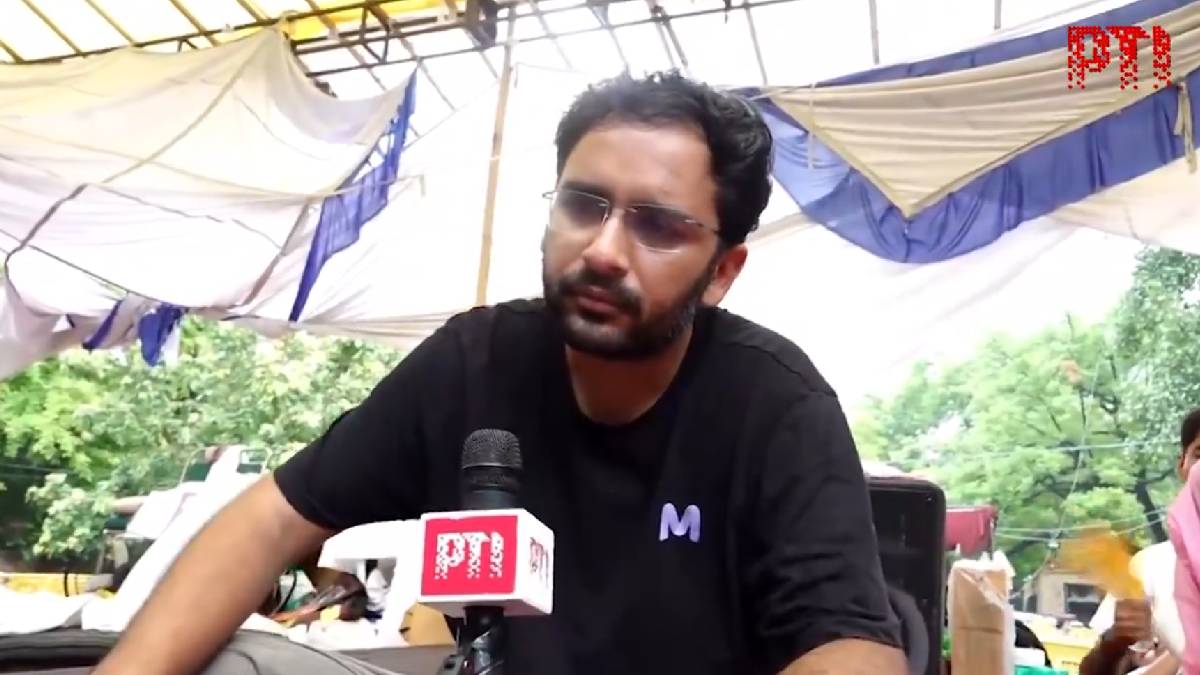
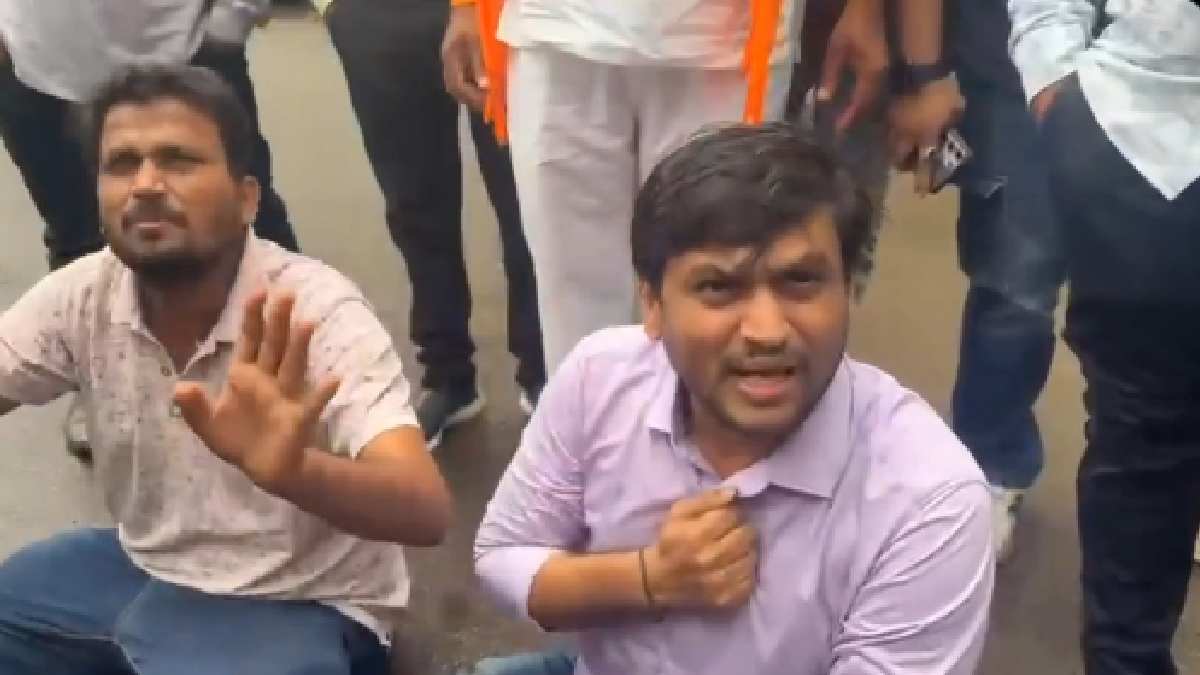
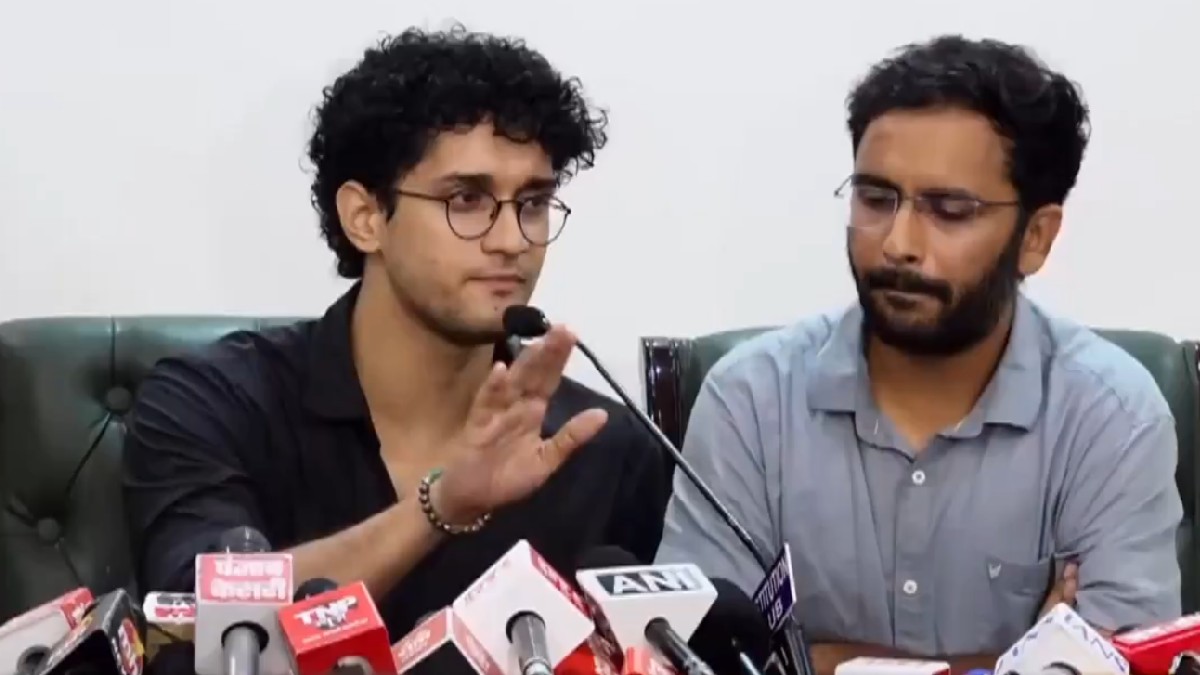
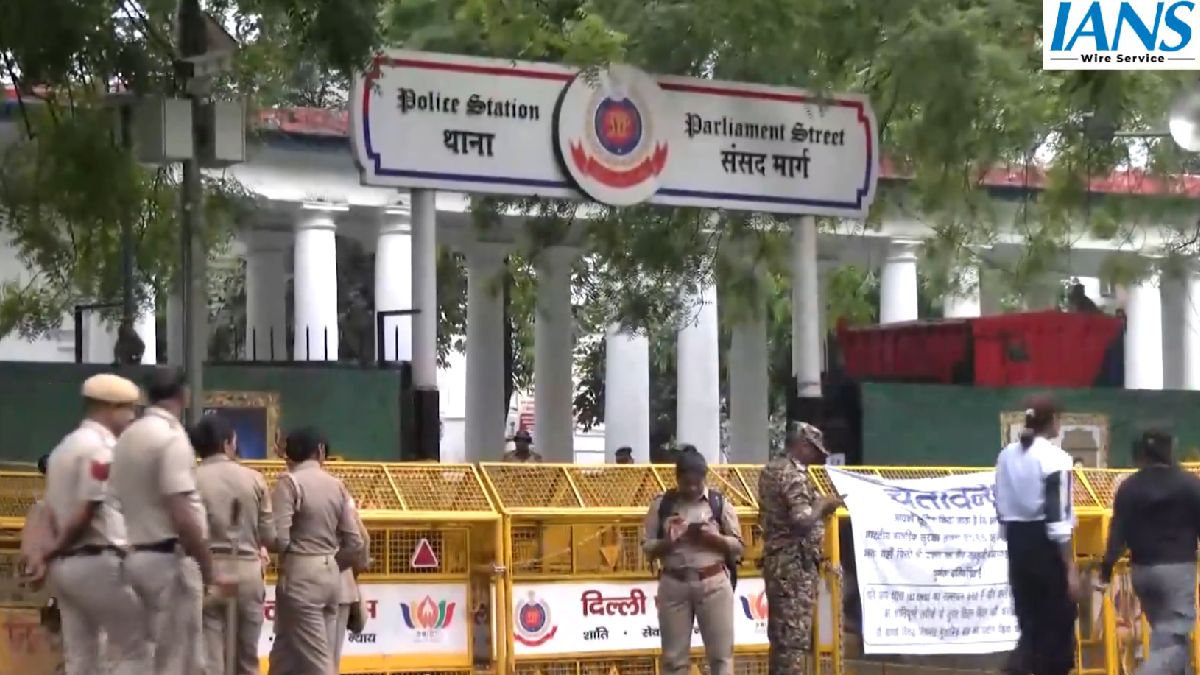
Delhi BJP President Harsh Malhotra has criticised the Cockroach Janta Party (CJP) protest and accused members of disrupting business activities and creating difficulty for small business owners. Malhotra also said the protesters are acting as the “B-team” of Aam Aadmi Party (AAP) and Congress leader Rahul Gandhi.
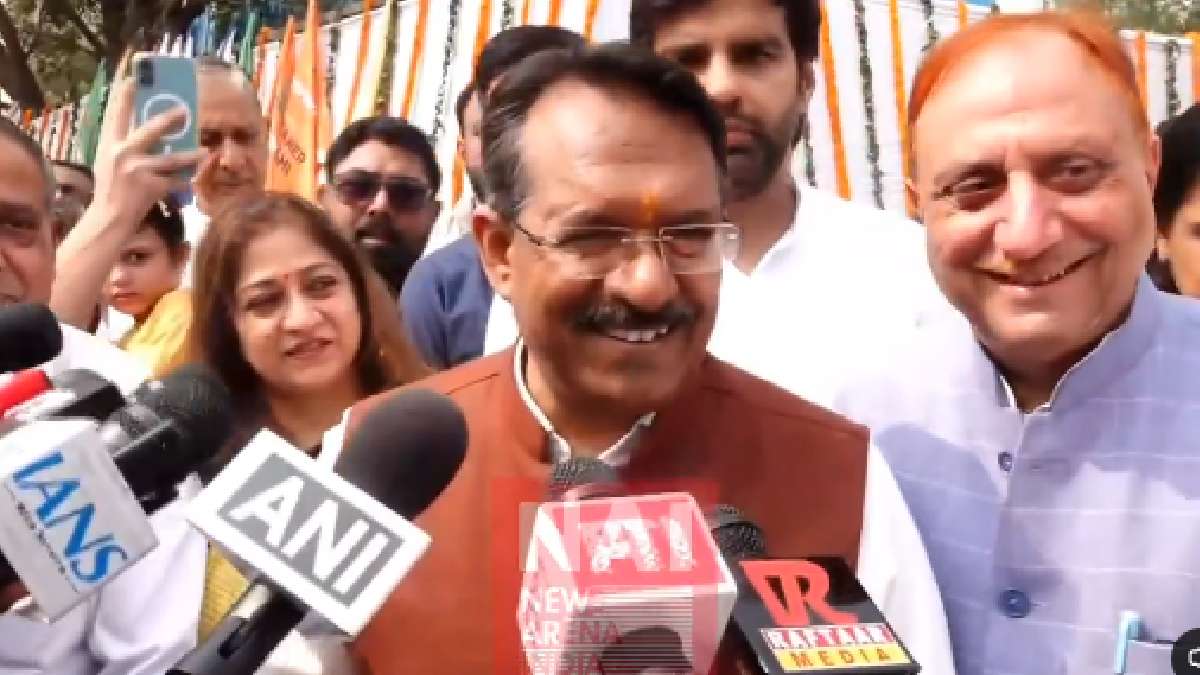
The BJP leader’s comments have put political attention on the impact of protests on commercial activity in Delhi, particularly when demonstrations impact shops, markets and the movement of customers.
Harsh Malhotra Targets CJP Protest
Malhotra described the protesters as the “B-team” of AAP and Rahul Gandhi. He accused them of turning against small business owners by hampering their daily commercial activities.
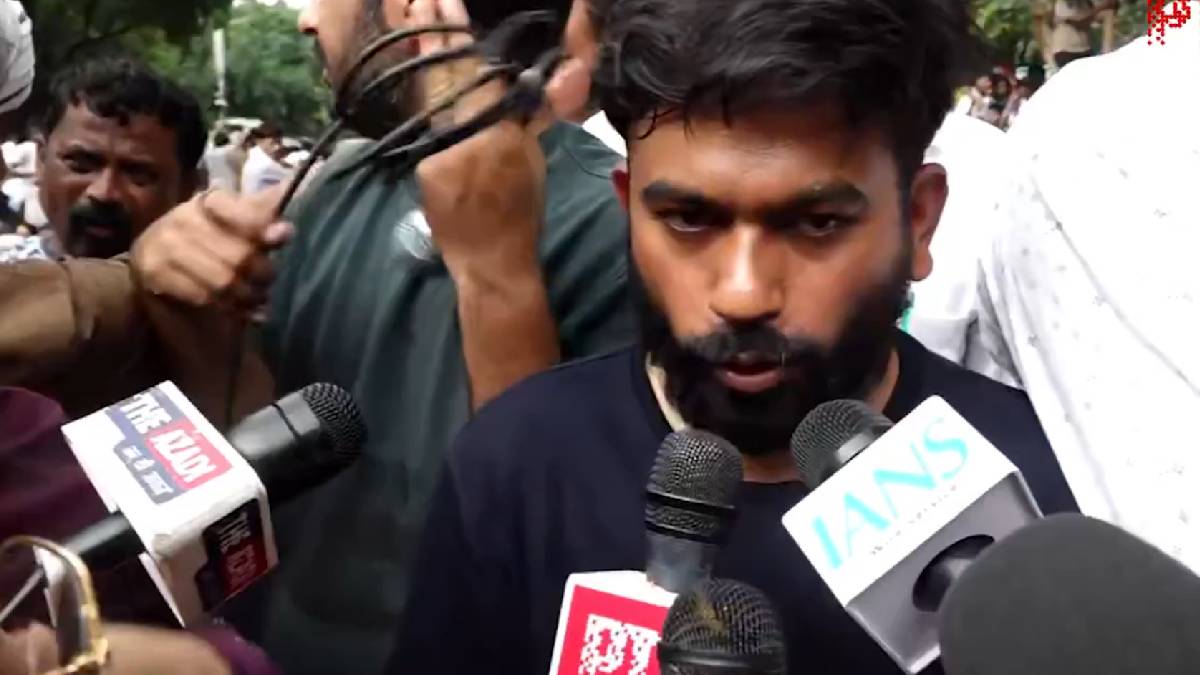
“These people are 'B-team' of AAP and Rahul Gandhi. They have become enemies of small business owners,” Malhotra said.
His comments reflect the BJP leader's criticism of the demonstration and its alleged consequences for traders. But the political charges against CJP and alleged links with opposition leaders should be understood as Malhotra’s claims, not as facts.
The controversy highlights the political disagreement that protests represent as they affect those who depend on business activity for their livelihoods.
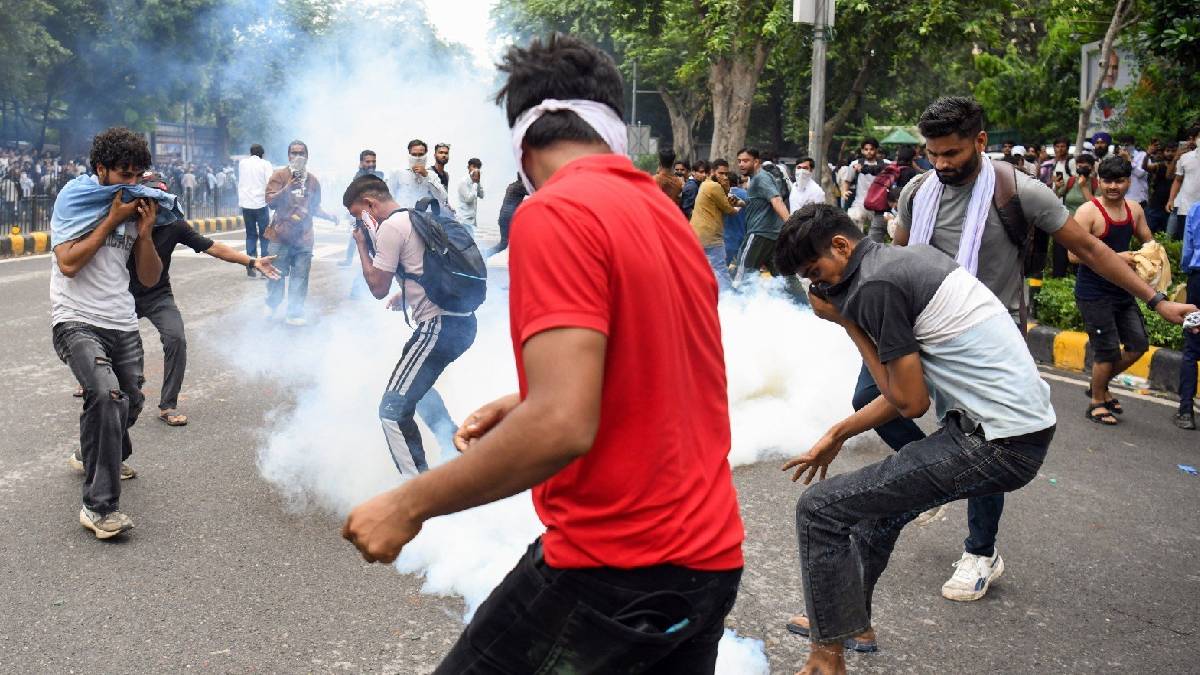
Small Business Owners at the Centre of the Debate
Small businesses like neighbourhood shops, street vendors and market establishments can depend on constant customer movement in order to make a little money each day. Temporary demonstrations that disrupt access to commercial areas or cause a disruption in normal movement can put traders at risk.
Even a short interruption can affect sales, deliveries and customer access. If the business is small enough to survive with a single day of business, the loss of profit would be a concern.
Malhotra is putting these issues at the centre of the political debate over the CJP protest. In focusing on small traders, the Delhi BJP president has questioned whether the demonstration is causing unnecessary difficulties for people who are not directly involved in the political dispute.
The actual impact on businesses, however, would require independent information about the affected locations, duration of disruptions and experiences of traders.
“These people are 'B-team' of AAP and Rahul Gandhi. They have turned into enemies of small business owners.” - Delhi BJP President Harsh Malhotra on CJP protest hampering businesses https://t.co/IKaXtHijSo
— News Arena India (@NewsArenaIndia) October 17, 2026
Political Tensions Surrounding the Protest
The remarks also point to the larger political battle between BJP and opposition parties. There is a political dimension to the debate as AAP is accused of being linked with Rahul Gandhi, though Malhotra's statement alone does not establish any organisational link between them and CJP.
Political protests are at the core of democratic participation, as groups can raise concerns and draw attention to their demands. At the same time, disruptions to public movement and commercial activity can generate criticism from residents and business owners.
This debate therefore has two important areas: the right to demonstrate peacefully and the need to minimize inconvenience to the public.
What Happens Next
The CJP protest is likely to remain a topic for political debate as parties debate what it is really about as well as how the protest is going to affect small businesses. Malhotra’s comments have made the alleged impact on small businesses a main part of the criticism.
Details about the protest, as well as how the organisers’ response and the extent of any disruption of business was to the business, would help to make a better picture of the situation.
For now, the Delhi BJP president’s remarks are a sharp political attack on the protesters, and small business owners are the main focus of the dispute at the moment.



Comments
Leave a Comment