
India’s ability to sustain a military presence and deploy troops along its border with China has improved, External Affairs Minister S Jaishankar said at the 24th Hindustan Times Leadership Summit 2026 in New Delhi.
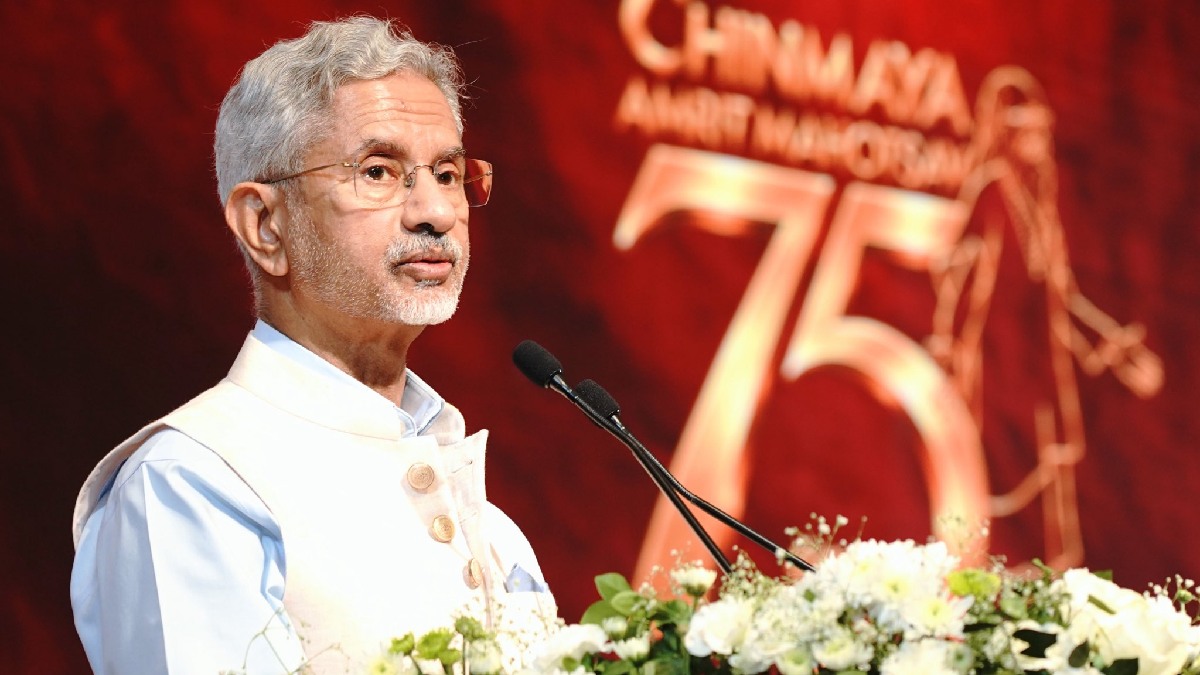
Jaishankar was speaking at the event on Saturday, November 14 where he talked about changes in India’s border management, military preparedness and infrastructure development after the Galwan Valley clash in 2020.
“We’ve been able to sustain a presence on that border and put troops there — it has improved. Very substantially,” he said, adding that troops must be kept at the frontier for long periods of time but also receive continuous logistical support.
India’s Military Preparedness Along China Border Has Improved
Jaishankar referred to activity along the India-China border when he said: “you don’t just deploy people and have a military presence”.
Troops in remote and difficult border areas need roads, bridges, transportation, communications networks and supplies to be available so soldiers can stay there for long periods of time and get support when needed.
The minister said India’s ability to sustain troops and provide facilities has improved a lot. Better infrastructure and logistics have become parts of the country’s overall military preparedness.
Galwan Clash Changed India's Border Security Priorities
The clash in June 2020 in the Galwan Valley of eastern Ladakh was a turning point in relations between India and China.
Twenty Indian soldiers were killed in the confrontation. China was also hit but did not release an official figure of how many of its soldiers died.
After the clash, India increased its border security, military preparedness and infrastructure development. Troops had to be held in difficult terrain for long periods of time; emergencies needed to be responded to quickly, so attention was paid to roads, bridges, and transportation supply networks.
Jaishankar said these improvements have enhanced India’s ability to sustain a military presence along the frontier.
Border Infrastructure Was Neglected Earlier: Jaishankar
Jaishankar also spoke of the past shortcomings in India’s border infrastructure. He said that border areas had not been given enough attention in the past in terms of infrastructure development.
Poor road connectivity and lack of bridges and other facilities can make it difficult to move troops and equipment to remote areas. The problem is compounded in mountainous terrain where weather conditions may further hamper military operations.
Road construction, bridges and transportation facilities are therefore important for military personnel as well as residents living in border areas.
The minister said the country had changed tack and was now working to close infrastructure gaps that had affected border preparedness.
India and China Had Similar-Sized Economies in the 1980s
During the summit, Jaishankar also compared the economic development paths followed by India and China.
He said that in the 1980s the two countries had economies of roughly similar size. “When Rajiv Gandhi went to China in 1988, that was the time when differences in their subsequent development strategies became more visible,” he said, referring to the former PM’s visit to China.
Jaishankar said China did more modernising and industrialising (expanding its manufacturing sector and industrial capacity) but India “didn’t really take advantage of that period to accelerate industrial development”.
The comparison showed how economic policy choices can affect a country’s long-term industrial strength and global position.
Economic Strength Is Closely Linked to National Security
Jaishankar’s comments also emphasised the link between economic development and national security.
A country’s military strength is not only determined by the number of soldiers or defence equipment available; it is also determined by industrial capacity, technological resources, transportation networks and economic capacity.
Building domestic manufacturing capacity, modernising technology and improving defence production can all be part of long-term strategic preparedness.
His comments put India’s border infrastructure improvements in the context of broader discussions about economic competitiveness and national security.
Hindustan Times Leadership Summit 2026 Discusses Global Challenges
The 24th Hindustan Times Leadership Summit was held in New Delhi from November 12 to 14 under the theme ‘New Rules, New Realities’.
The event brought together discussions on politics, economy, international relations, technology and emerging global challenges.
Jaishankar addressed the India-China border situation, military preparedness, infrastructure building and economic trajectories of both countries. He said that India was enhancing its ability to support troops and sustain its presence along the frontier.




Comments