
India is set to introduce its first indigenous vaccine against the highly pathogenic H5N1 avian influenza virus (bird flu). Developed by ICAR-National Institute of High Security Animal Diseases (ICAR-NIHSAD), Bhopal, it protects chickens from the H5N1 virus of Clade 2.3.2.1a.
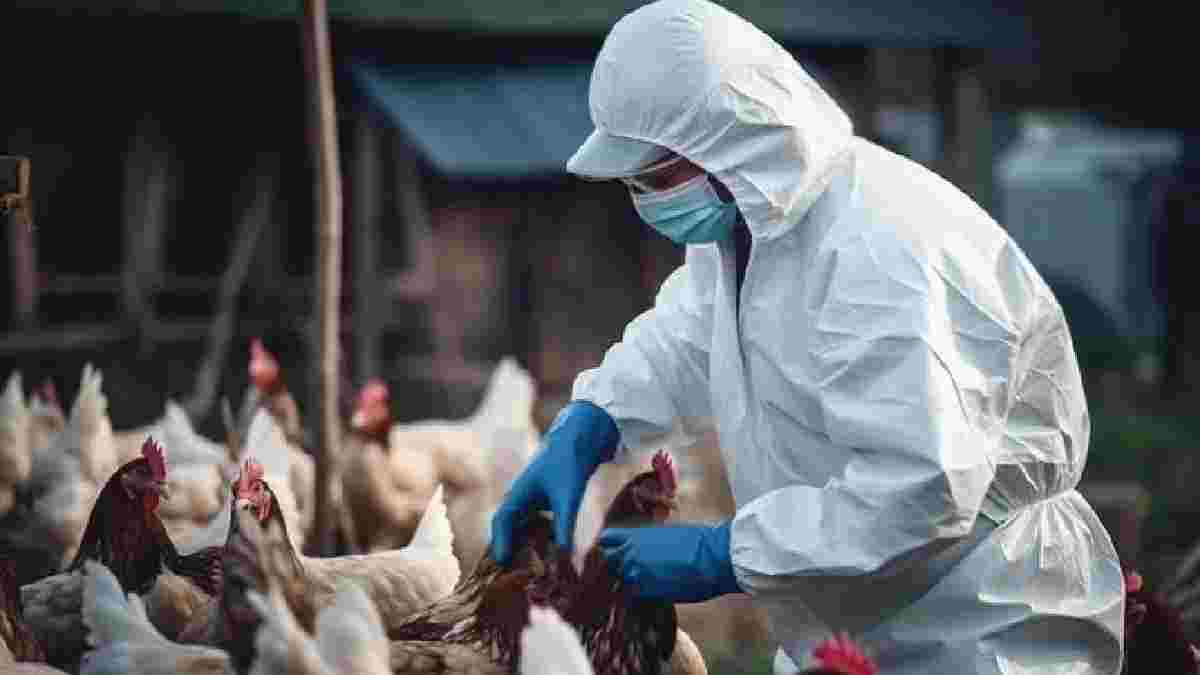
Union Agriculture and Farmers Welfare Minister Shivraj Singh Chouhan will dedicate the vaccine to the nation on November 20, 2026, at ICAR-NIHSAD in Bhopal, said the Ministry of Agriculture and Farmers Welfare on November 18.
The development is significant for India’s poultry industry, which has suffered huge economic losses due to bird flu outbreaks. The government says that in 2006 alone, direct and indirect losses were Rs 2,200 crore to Rs 3,000 crore due to the outbreak.
Why Is India’s First Indigenous Bird Flu Vaccine Important?
Highly Pathogenic Avian Influenza (HPAI) (bird flu) is a serious viral disease of poultry and other birds. In severe outbreaks, mortality among infected birds can be as high as 100%. Large-scale culling, movement restrictions, and financial losses for poultry farmers result.
India first reported bird flu in 2006. More than 500 combined outbreaks of H5N1 and H5N8 subtypes have been reported across the country since then, the government said.
The H5N1 Clade 2.3.2.1a strain has caused most of the bird flu outbreaks among chickens in India, and the government has reported its detection in other animal species (including mammals).
Until now, no specific commercial vaccine was available in India against this H5N1 clade. The new inactivated vaccine developed by ICAR-NIHSAD tries to fill this gap and boost the country’s poultry disease-control capability.
Bird Flu's Economic Impact on India
Financial effects of a major bird flu outbreak are not confined to poultry farms. Large-scale culling and restrictions on movement and trade of poultry products can affect farmers, businesses and supply chains.
The Ministry of Agriculture has said that an uncontrolled outbreak could affect more than 20% of India’s poultry population. The government says a major outbreak could reduce GDP growth by up to 1.5%.
Union Minister of Agriculture & Farmers Welfare and Rural Development, Shivraj Singh Chouhan, will dedicate to the nation the inactivated H5N1 (Clade 2.3.2.1a) Highly Pathogenic Avian Influenza (HPAI) Virus Vaccine for Poultry on November 20. https://t.co/I8WN2Qh52l
— ANI (@ANI) November 18, 2026
The 2006 outbreak caused direct and indirect losses of Rs 2,200 crore to Rs 3,000 crore. These figures show how economically important disease surveillance and prevention are.
H5N1 Also Raises Public Health Concerns
Bird flu is an animal-health problem but some H5N1 infections can affect humans (e.g., after exposure to infected birds or contaminated environments).
The government said three human cases have been reported in connection with the H5N1 Clade 2.3.2.1a strain and quoted World Health Organization figures that 1,003 human H5N1 infections (479 deaths) have occurred in 25 countries since 2003.
When will India launch its indigenous H5N1 vaccine?
Shivraj Singh Chouhan will dedicate the vaccine to the nation on November 20 at ICAR-NIHSAD in Bhopal.
It is a major research achievement for India’s animal health sector. But the announcement does not say when the vaccine will be commercially available, how much it will cost or when nationwide vaccination will take place.
Its ultimate impact will depend on deployment, veterinary monitoring, disease surveillance, and biosecurity measures across poultry farms.


Comments