
The long-running dispute between Karnataka and Tamil Nadu over sharing of Cauvery River water has once again come to the fore after a delegation of Tamil Nadu ministers met Union Jal Shakti Minister and asked Centre not to give permission for Mekedatu Dam project across Cauvery River.
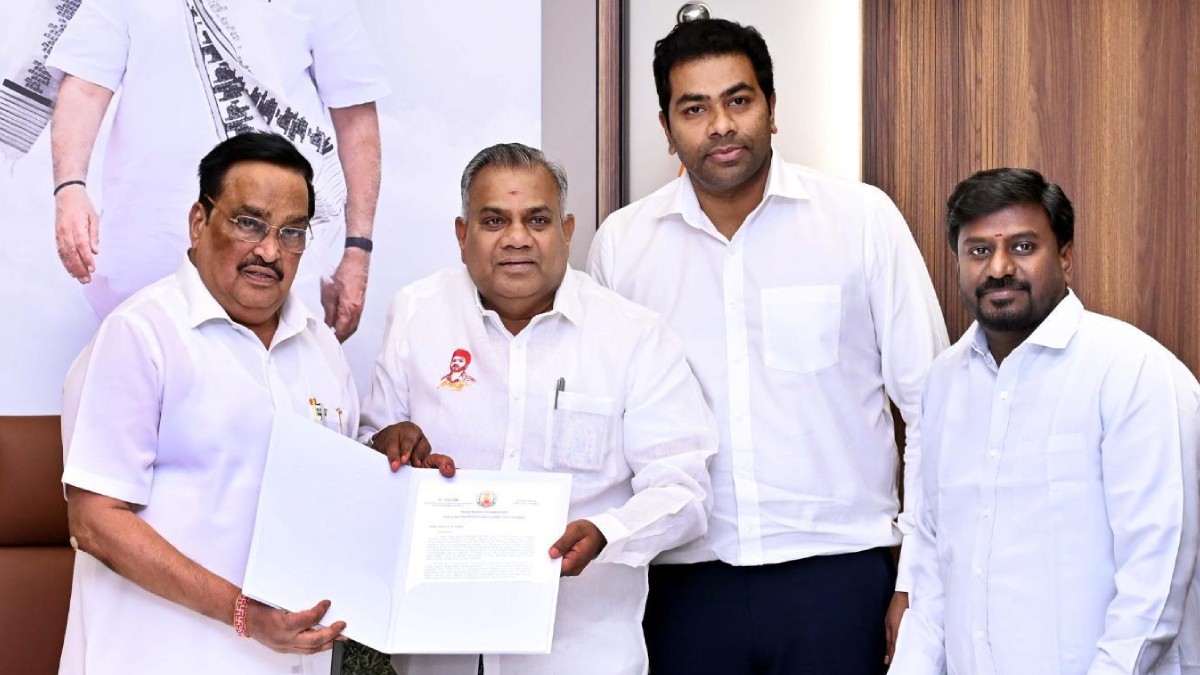
They reportedly expressed their opposition to Karnataka’s proposed reservoir project and requested Union government to reject any move allowing construction work to start. This latest intervention shows that Tamil Nadu still opposes Mekedatu project and signals inter-state water dispute is still political and administrative issue between neighbouring states. Meeting also revived discussion on future of dam and challenges in reaching an agreement between Karnataka and Tamil Nadu over Cauvery River.
The Mekedatu project is one of Karnataka's major proposed water infrastructure projects. Planned across Cauvery River near Mekedatu in Ramanagara district, it would create a balancing reservoir to store water during surplus flow.
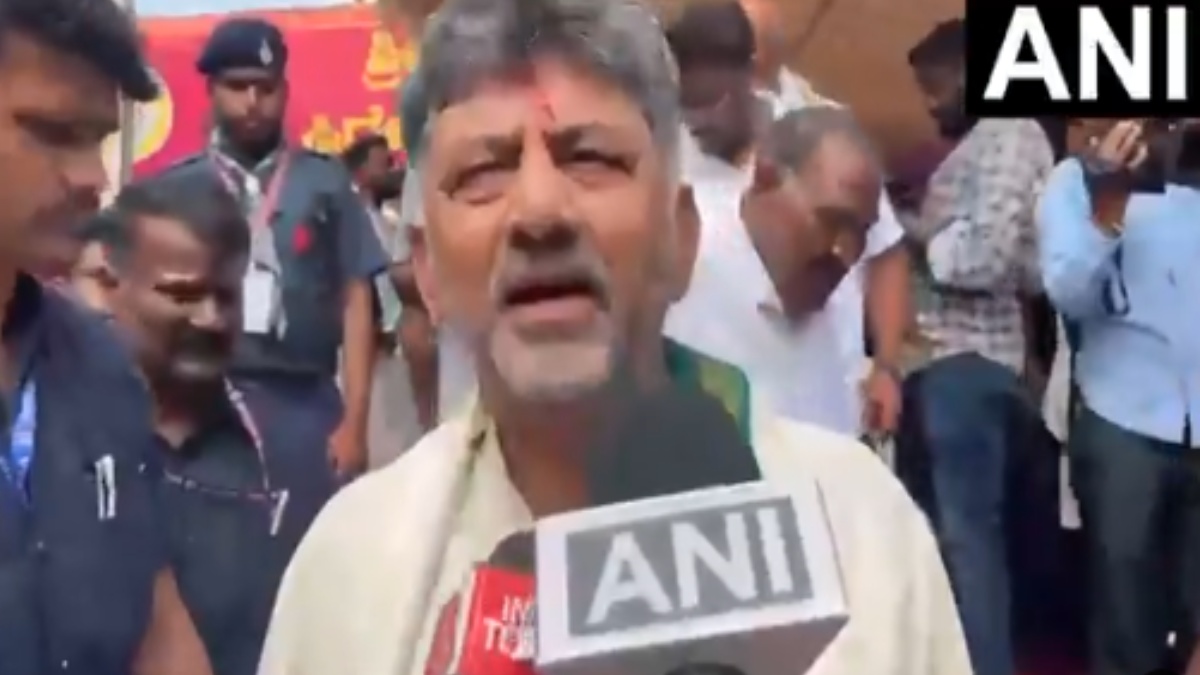

Karnataka has said that the proposed reservoir would improve water management, provide drinking water for Bengaluru and surrounding areas and hydropower generation (electricity).
Tamil Nadu Ministers meets and urged the Union Jal Shakti Minister not to grant any permission for the construction of the Mekedatu Dam across the Cauvery River. https://t.co/X8fgcMv36c
— Vignesh Theni (@Vignesh_twitz) November 18, 2026
The project has remained an important demand in Karnataka because of rapidly increasing water requirements of Bengaluru which continues to grow fast with urban expansion.
However Tamil Nadu has opposed the proposed dam construction on the ground that it would affect the share of Cauvery water with the state. The Tamil Nadu government has said a reservoir built upstream would give Karnataka more control over timing and management of releases.
Since Tamil Nadu depends heavily on Cauvery for agriculture (particularly in Cauvery delta region) the project is serious concern for its farmers and irrigation needs too. The latest meeting with Union Jal Shakti Minister reflects Tamil Nadu’s continuing efforts to prevent the project from getting the approvals needed for construction.
The Cauvery River is one of the most important water resources in southern India flowing through Karnataka and Tamil Nadu before reaching Bay of Bengal. It supplies water for agriculture, drinking water supply and several other economic activities in both states.
Sharing of Cauvery water has been a controversial issue for decades with disagreements over availability of water, management of reservoirs and implementation of allocation arrangements repeatedly happening. In years when rainfall is scanty tensions are further heightened as both states feel pressure to meet their agricultural and drinking water needs.
The Cauvery Water Disputes Tribunal and subsequent Supreme Court judgments have helped frame the water-sharing mechanism between the states but disputes over implementation and management of water resources continue to be political issues.
Mekedatu is another big point of disagreement in this broader dispute. Karnataka says it is needed for storage and Bengaluru’s drinking water needs but Tamil Nadu says it should not be allowed to go ahead without addressing its concerns and getting clearances.
For Karnataka the Mekedatu project is important because Bengaluru’s demand for drinking water is increasing. With population growth in the city, providing a steady supply of water has been one of the major challenges facing state government. Supporters say that with a balancing reservoir Karnataka can better manage its available water resources (heavy rainfall and surplus inflows). The project will have hydropower component also as proposed infrastructure benefit.
On the other hand, Tamil Nadu’s opposition is based on concerns about safeguarding its legally recognised share of Cauvery water. Farmers in the state’s delta districts depend on timely releases of water for paddy cultivation and other agricultural activities.
If there is uncertainty over availability of water crop planning gets disturbed; agricultural production suffers; livelihoods of farming communities are affected. Hence Tamil Nadu government has repeatedly said that Mekedatu reservoir should not be allowed to affect the existing water-sharing arrangements.
The latest meeting with the Union Jal Shakti Minister is therefore an important development in the political debate so far. By approaching the Union government directly Tamil Nadu’s ministers want to ensure that Centre does not grant permission for the project without taking into account the objections of the state. It will all depend on what legal framework applies, regulatory approvals and how those concerns are assessed by states.
Mekedatu is likely to remain a sensitive issue in Karnataka Tamil Nadu relations. Karnataka continues to say that the project is necessary for water security and Bengaluru’s future requirements but TN wants the proposed construction not to be approved.
Both governments will continue presenting their positions and how the Union government responds will be watched. The latest meeting has again brought the Cauvery dispute into focus farmers, political leaders and residents of both states are waiting for further developments.





Comments