
If medical treatment becomes cheaper in India over the next few years then healthcare affordability could change dramatically. Cardiac surgeon and healthcare entrepreneur Dr Devi Shetty says healthcare costs could come down by 50% hope for families who are struggling with rising medical bills.
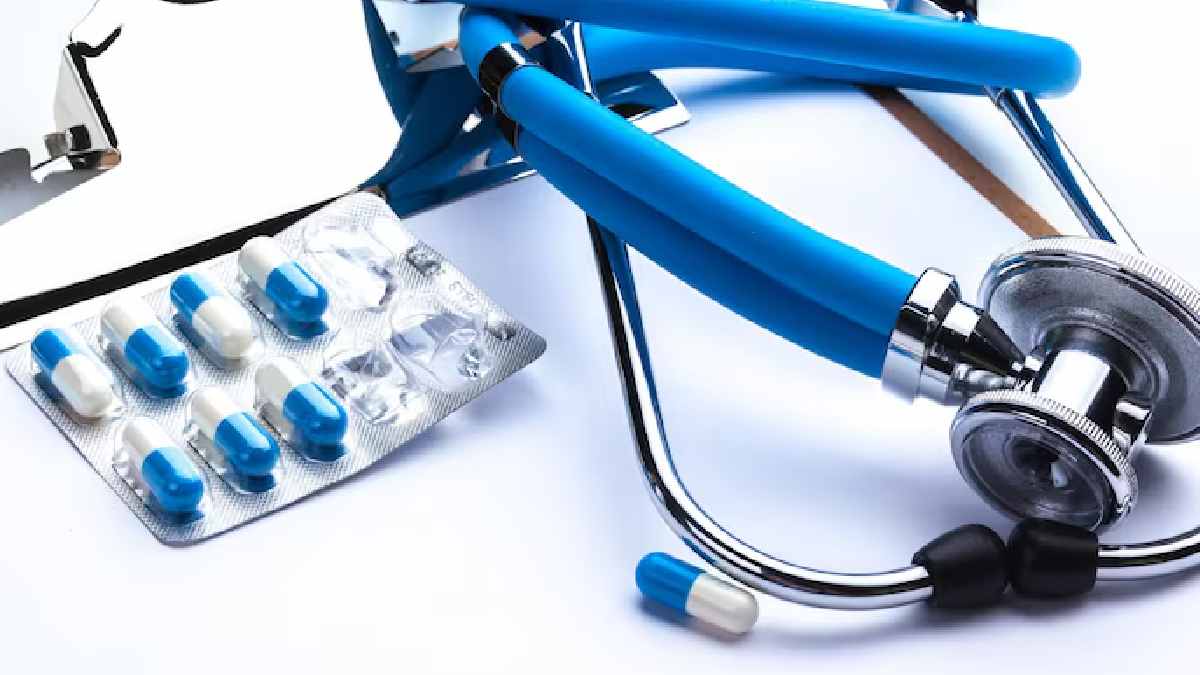
Medical bills are a major financial burden for many Indian households. A sudden illness, complicated surgery or long hospital stay can put enormous strain on family finances. People without adequate health insurance have to rely on personal savings, borrow money or sell assets just to pay for treatment. In some cases the cost of medical care pushes financially vulnerable families deeper into poverty.
The challenge is even greater when patients need specialised treatment for serious diseases such as heart disease and cancer. Medical facilities and treatment technologies have improved but the cost of quality healthcare (especially if you’re from a lower income background) remains a problem.
Dr Devi Shetty who has spent years working towards making advanced medical treatment available has said there is a lot of room to reduce healthcare costs. His prediction that it could be cut by 50% has focused attention on the need for a system where quality treatment goes hand in hand with affordable pricing.
There are many reasons for the high cost of medical services. Hospital infrastructure, expensive equipment, staff salaries, medicines and operational expenses all affect treatment charges.
Hospitals also need to invest continuously in technology and specialised facilities. Using existing resources more efficiently and managing operational expenses better could reduce treatment costs.
Technology could help with this. Digital health services, telemedicine, artificial intelligence and modern hospital management systems can increase efficiency and reduce unnecessary expenses. Better coordination between doctors hospitals diagnostic centres could also make treatment cheaper too.
Another aspect is that healthcare facilities are not available outside major cities. Patients travel long distances to get specialised treatment because smaller towns and rural areas don’t have the medical infrastructure for such treatment. Increasing hospital services and strengthening primary healthcare could increase access while reducing additional expenses of travelling for treatment.
Affordable medicines and wider health insurance coverage are equally important. Government healthcare programmes, preventive medical services and better access to essential treatments can help families manage healthcare costs. Early diagnosis and regular health check-ups may also prevent minor health problems from becoming expensive medical emergencies.
But halfing healthcare costs is not something hospitals, health care professionals, insurance providers or policymakers can do alone it will require coordination among them. Cost reduction also has to be achieved without compromising patient safety; medical standards; quality of treatment.
Dr Devi Shetty’s prediction has focused attention on one of the big questions facing India’s healthcare sector can quality treatment be made affordable for everyone. If hospitals become more efficient, technology is more widely available and healthcare infrastructure expands then we could get there.
Ultimately affordable healthcare isn’t just about cutting hospital bills. It’s about families not having to risk their financial security to get essential medical treatment. Making quality health care available to everyone regardless of income is still one of India’s biggest public health priorities.

Comments