
India’s next major telecommunications revolution could be on the horizon, with Reliance Jio showing off preparations for sixth-generation (6G) mobile connections to the world as it expands its 5G network. The telecom operator thinks India will be among the first countries to get commercial 6G service once the global standardisation of 6G technology is ready.
While the international standardisation process is expected to arrive at a big milestone around 2030, the latest developments we have seen have also brought attention back to India in the field of next-generation mobile communication. So far, no commercial launch date for the 6G services in India has been announced.
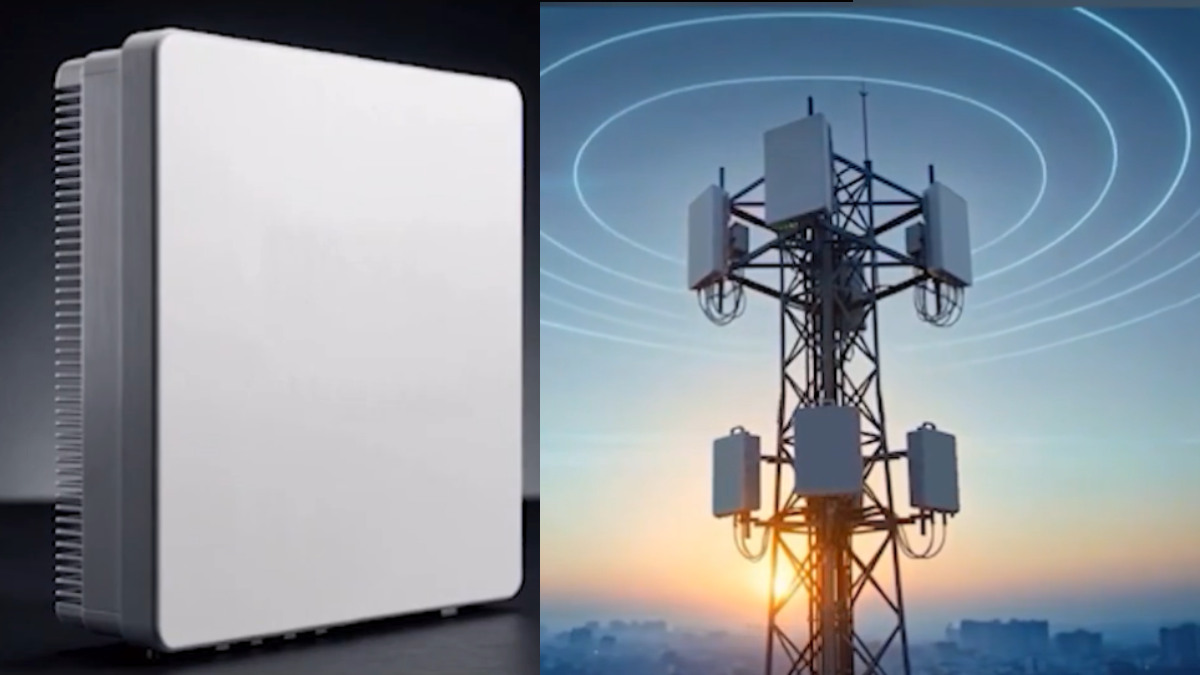
Reliance Jio announced the latest 6G-related technologies at the India Mobile Congress (IMC) 2026 in New Delhi. The company demonstrated next-generation technologies for the next phase of mobile networks, a pre-6G technology stack and its Giga MIMO radio.
These developments are evidence that our company is well positioned to be at the forefront of the next phase of telecommunications in India, as 5G is the foundation for high-speed mobile internet, connected devices and digital services. The example also demonstrates that indigenous research is on the rise, advanced network infrastructure is being developed, and participation in international communications standards.
How much Better could 6G be compared to 5G?
According to Reliance Jio, 6G networks will deliver up to 5 times the capacity of current 5G networks with a significant reduction in network latency. Response delays could be reduced by about ten times with 5G, so connected devices and applications can communicate with networks much more easily. These improvements could make a difference in applications that need fast data exchange, reliable connections and information processing in real time.
But the benefits of 6G are expected to go beyond faster downloads and quicker video streaming. All of these potential applications could have AI, immersive digital, connected infrastructure and a huge number of intelligent devices. Low latency and increased network capacity would allow it to respond faster to change and therefore optimise the performance of applications that require a constant connection of machines, sensors and computing platforms. Final technical criteria, network deployment, spectrum availability and even consumer device types will affect the actual performance.
What is Jio’s Giga MIMO Radio Technology?
Jio demonstrated Giga MIMO radio as one of its main technologies at India Mobile Congress 2026, which one of the main technologies that Jio highlighted at India Mobile Congress 2026 as well as the Giga MIMO radio. The technology was described as India’s first Giga MIMO radio in India which was also called India’s first Giga MIMO radio, which Jio is working towards the launch of next generation wireless networks.
MIMO is a wireless communication technology which uses multiple antennas to improve data transmission and reception and data transmission and reception to improve the transmission and reception. Newer MIMO systems of Jio will facilitate more connections for a better network and can help them to make effective use of available radio resources.
Jio also announced a common baseband unit which can support 5G and 6G networks. Such a development could be important as telecom operators gradually move towards newer technologies while maintaining old network infrastructure. As standards develop, multi-level connectivity (shared component and network) can be supported, but the practicality will depend on the design and deployment needs of the new network architecture.
Jio also mentioned its intellectual property rights and involvement in international standardisation efforts. Jio said it has applied for more than 8,000 patents worldwide, including hundreds for 6G devices. More than 934 contributions were made to global telecommunications standards. These are important contributions as the future of 6G will be a global collaboration between telecom companies and equipment makers, researchers and standards organisations.
How could 6G benefit farmers, doctors and students?
Agriculture is one of the sectors that could benefit from advanced 6G connectivity. Rapid and responsive networks could provide AI-powered agricultural advisory services, connected sensors and systems to farmers with timely information about crops, soil conditions and irrigation on a data basis. If we can use these applications well, they would enable farmers to make better decisions and make better use of agricultural resources. But affordable devices, reliable coverage and access to relevant digital services will still be key to real adoption.
6G healthcare could also open up new opportunities in the healthcare field. A more responsive network would support remote consultations, advanced medical imaging and other technology-assisted healthcare processes that require real-time data transfer. Holographic video communication is also possible.
So people from different locations can interact in a more visceral digital way. Such capabilities could eventually facilitate communication between medical personnel and patients, but it would require specialised equipment, regulatory approval, privacy protections and reliable network infrastructure.
Education could also be improved by faster connectivity and better immersive digital tools. Virtual learning environments, interactive simulation and remote teaching environments may be available to students with high-quality data transmission as well. AI-powered educational platforms could be more responsive to individual learning needs, and better connectivity may help to bring digital resources to underdeveloped areas. The extent to which these benefits will be realised will depend on affordability, digital literacy and availability of appropriate services.
When will India launch 6G phones?
Despite Jio’s latest demonstrations, commercial 6G services are not expected to be available immediately. Research, testing, standardisation and infrastructure development are all necessary before widespread commercialisation will be possible. Global standards will play a key role in defining how 6G devices, networks and equipment operate in different countries and manufacturers.
For India, Jio’s preparations can even help in the country becoming ready to be an early adopter of next-generation connectivity. But a demonstration of pre-6G technologies does not mean that a commercial 6G network is ready for public use. Consumers will have to wait for further news on launch dates, compatible mobile devices, coverage and pricing.
As India is building an ecosystem of 5G technologies, early work on the 6G technology is indicative of the long-term future of telecommunications companies here. If the technology can achieve the anticipated capacity and latency improvement, it would allow for a new era of digital services in agriculture, healthcare, education and industry. For now, 2030 is a big step forward towards global 6G standardisation, but we are not sure when commercial services will come to India.







Comments