
Test results from seven districts in Karnataka reportedly showed ethanol levels above the government stipulated 20% blending limit. Some samples tested had ethanol content over 30%. Questions have been asked about quality of fuel, transparency and compliance by oil marketing companies.

The state government collected and tested 63 petrol samples from fuel outlets of Indian Oil Corporation (IOCL), Hindustan Petroleum Corporation (HPCL), Bharat Petroleum Corporation (BPCL), Shell and Nayara Energy after it was found that oil companies were not clearly disclosing ethanol content in petrol sold to consumers.
The reported results have attracted attention because the ethanol concentrations in several samples were much higher than the 20% blending level used for E20 fuel programme.
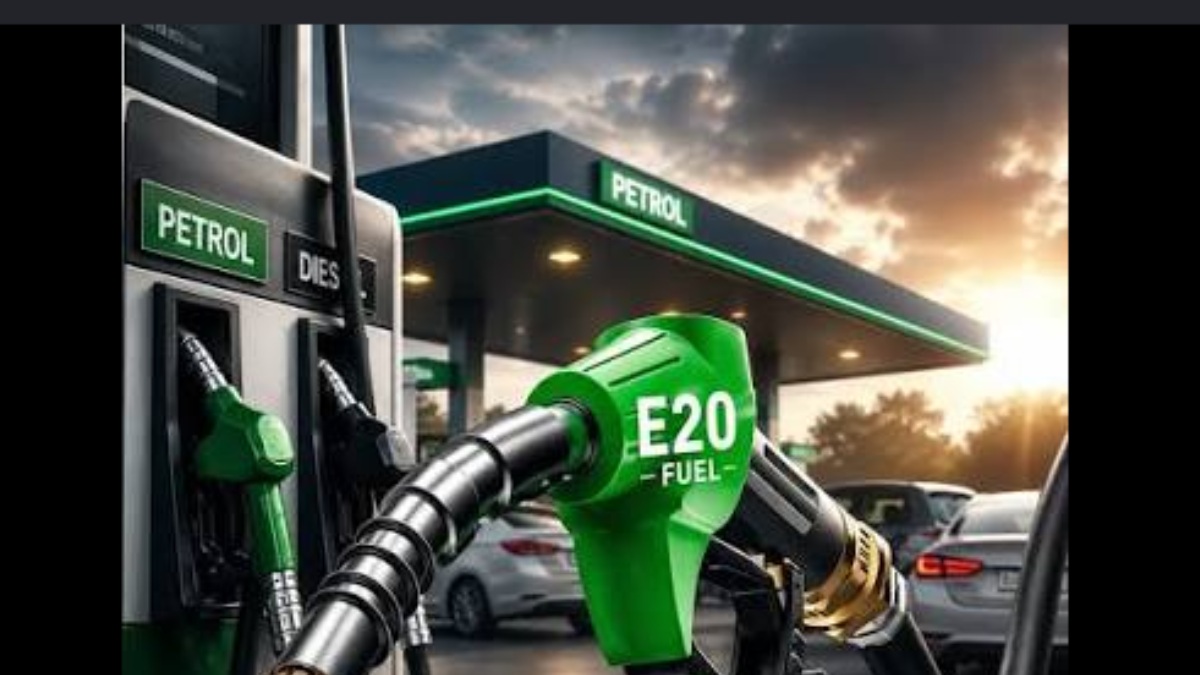
IOCL samples showed ethanol concentration of more than 31.2%. HPCL had ethanol levels of 30.5% and 27%, BPCL had ethanol contents of 26.5%, Nayara Energy had 26.1% and Shell had 25.5%.
These figures have led to questions over whether petrol supplied through different fuel outlets is blending as expected. Bengaluru was one of the cities where samples reportedly exceeded 20% so finding them in the state capital is a cause for concern for motorists too.
Blending ethanol is part of India’s broader strategy to cut its dependence on imported crude oil, lower fuel-related emissions and increase the use of domestically produced biofuels.
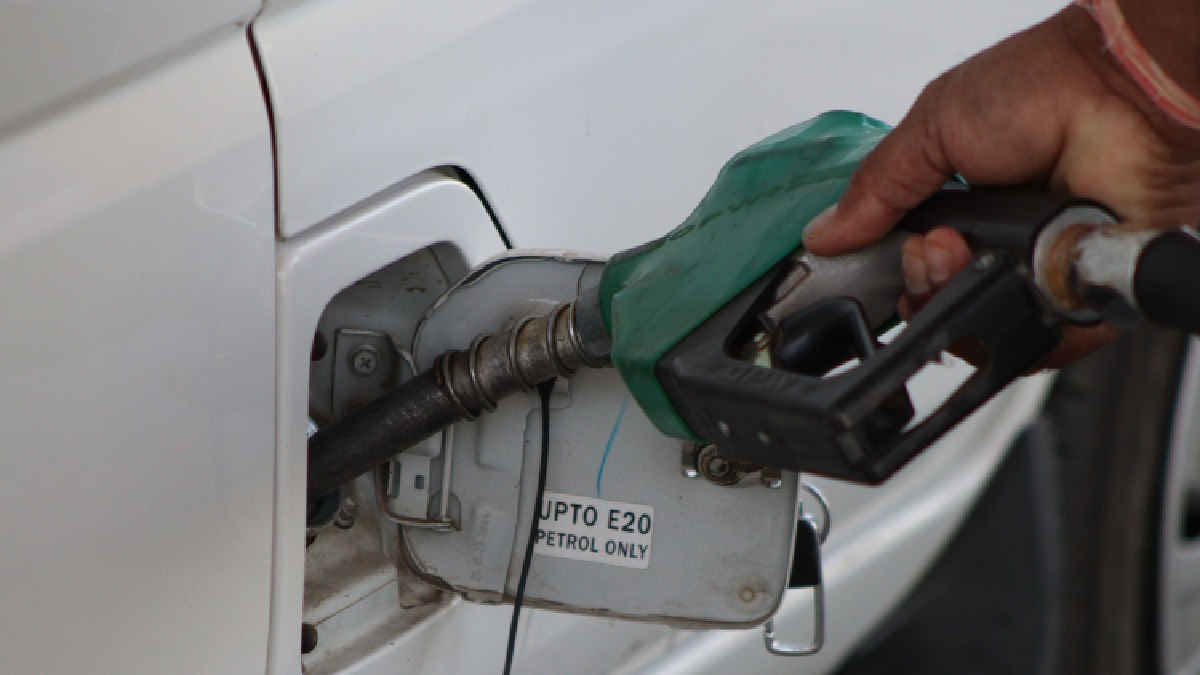
The government has promoted blending of ethanol with petrol as an important step towards energy security and reduction in country’s oil import bill.
🚨Karnataka’s petrol tests expose a shocking breach: > Ethanol blending has crossed 20% in samples from seven districts!🤯 The state tested 63 samples from IOCL, HPCL, BPCL, Shell and Nayara after oil companies failed to clearly disclose ethanol content. Reported ethanol levels: •IOCL: 31.2%+ •HPCL: 30.5% and 27% •BPCL: 26.5% •Nayara: 26.1% •Shell: 25.5% Even Bengaluru recorded samples exceeding the 20% limit. Karnataka will send its findings to the Centre. https://t.co/EnDyQT7lRV
— The Analyzer (News Updates🗞️) (@Indian_Analyzer) November 6, 2026
However, the test results reported have drawn attention to the need for quality control and that consumers should be given correct information about the fuel they buy.
Higher ethanol concentrations can also cause compatibility concerns with vehicles. Vehicles designed for E20 petrol are supposed to run on fuel up to 20% ethanol but higher concentrations may create compatibility issues (especially if the vehicle is not designed for such blends). How much of an impact this will have depends on engine design and manufacturer specifications.
Karnataka government will send its report to Union government for further scrutiny. Centre may need to look at the test results, supply and blending process etc and see whether any regulatory action is needed or not.
The findings have also shown the need for greater transparency from oil marketing companies about petrol composition. Consumers rely on fuel suppliers and regulatory authorities to make sure that petrol sold at retail outlets meets standards.
Karnataka will soon have to submit its findings but the issue could also lead to wider discussions about ethanol blending, fuel testing and consumer protection. Clarification from Centre and oil companies is needed on why concentrations are being reported and whether standards have been violated.


Comments