
India could see another spell of high energy prices as global LNG prices are expected to remain high through winter season. International supplies are tight, European gas inventories are lower than usual and shipments from the Middle East are still uncertain all this is pressuring the global gas market.
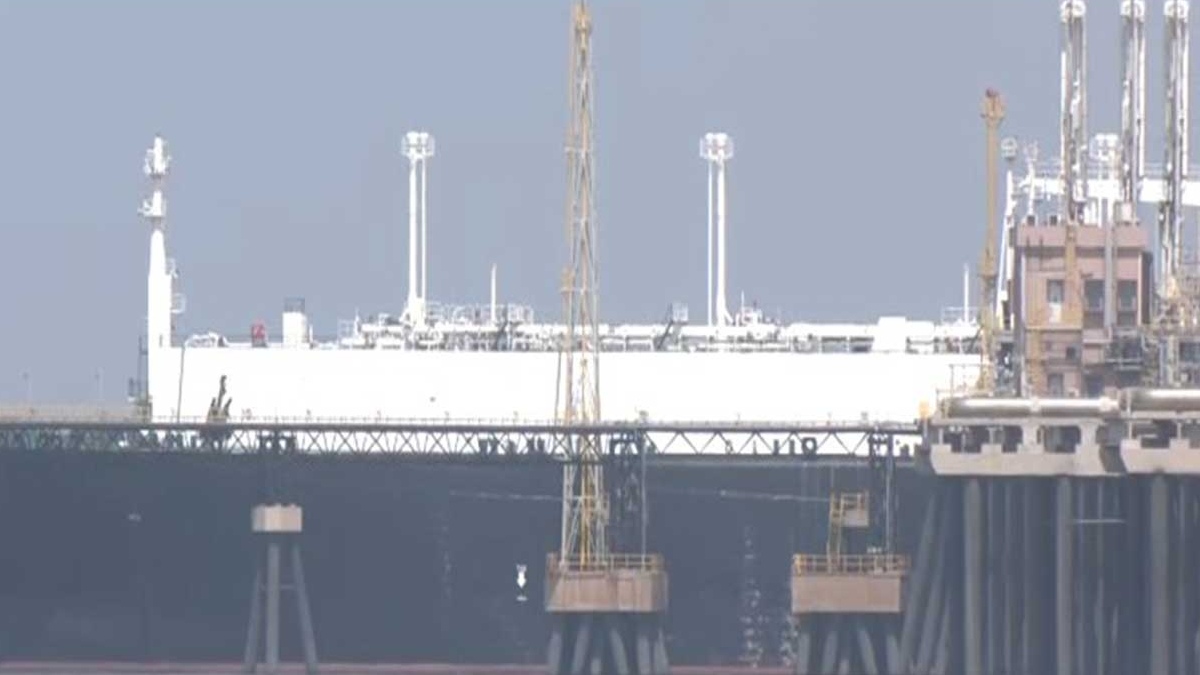
A Jefferies report recently said that higher LNG prices could raise fresh affordability issues for India which heavily relies on imported gas for its energy needs. It says international spot LNG prices increased by 6% week-on-week to an average around $32 per mmBtu (million British thermal units).
One of the biggest reasons for the price spike is disruption to LNG supplies from the Middle East. The Strait of Hormuz is one of the main shipping lanes used for global energy trade so restrictions on vessel movements after the conflict in the region have cut shipments from major exporters (Qatar) as well.
That has taken a lot of volume out of the international market and buyers in Asia and Europe have had to compete for alternative supplies. Exporters outside the Gulf have increased production but replacing missing volumes has not been easy.
European gas storage is another factor driving the market. Jefferies report said EU gas stocks were about 75% full at end of July, compared to around 83% last year at this time.
That low storage position has led to concerns that European countries won’t have enough supplies to meet heating and industrial demand in winter if temperatures fall sharply. If temperatures drop fast then European buyers will need to buy more LNG cargoes so competition with Asian importers like India increases.
A colder winter may make things worse: Utilities in Europe buy more natural gas in cold weather to meet heating needs. If domestic stocks are not sufficient they will turn to the spot market for additional shipments (which can push prices higher when supplies from the Middle East remain uncertain).
Reuters has reported that Asian spot LNG prices have already risen sharply as supply disruptions but participants expect them to stay high through winter.
For India the impact could be big because imported LNG is part of how natural gas demand in the country is met. The fuel is used across fertiliser manufacturing, power generation, city gas distribution, industrial production and transportation sectors.
Higher import prices mean procurement costs go up for companies that use imported gas they may have to absorb those additional costs themselves or reduce consumption or pass some on to customers.
The fertiliser sector is especially important because natural gas is an input into urea production. If imported gas becomes more expensive fertiliser manufacturers could face higher production costs.
Depending on government policies and subsidy arrangements some of this burden may be borne by increased subsidy requirements rather than in retail fertiliser prices immediately (although industrial consumers and power producers could also feel the pressure if the cost of procuring gas remains high for a prolonged period).
City gas distribution companies may also have to deal with the price environment change. They supply CNG for vehicles and piped natural gas (PNG) to households and businesses.
When imported gas prices rise, the impact on consumers depends on sourcing mix, domestic gas allocation, contracts and pricing decisions made by individual companies so higher international LNG prices don’t mean every household or vehicle owner will immediately see a price increase but prolonged cost pressure could put pressure on companies supplying gas to customers.
Since India imports LNG, international price situation is critical here because domestic gas production cannot supply all the country’s needs on its own and buyers are left vulnerable to fluctuations in global markets.
In July 2026 LNG accounted for only 59% of India’s gas consumption (as per an earlier assessment cited by The Economic Times) which shows how important imported supplies are in India’s energy mix.
There are signs, however, that India’s LNG supply situation has been improving. According to data from The Indian Express Qatari LNG deliveries to India picked up significantly in October after several months of disruption.
By 25 October India received about 0.44 million tonnes of Qatari LNG almost 370% more than the total imported during September. But shipments were still subject to uncertainty over the Strait of Hormuz and security of maritime routes.
Alternative suppliers particularly the US could become more important for India as buyers look to diversify sources of LNG. But replacing Middle Eastern supplies has its own problems (longer shipping distances; tanker availability; transportation costs; competition from other importing countries).
If European buyers buy additional cargoes during winter aggressively (as they did last year) Asian countries may have to charge higher prices to get flexible shipments.
The global supply outlook is also uncertain. The International Energy Agency has shown how Middle Eastern LNG production and shipping disruptions have changed the outlook for gas market.
Some supply losses were offset by more production from North America and other regions but recovery of Gulf exports will determine how quickly international markets can stabilise.
For Indian consumers and businesses, therefore the coming winter will be an important period for energy costs too.
A prolonged disruption in international shipments, stronger European demand or colder than expected weather could keep LNG prices up; improved shipping conditions, stronger exports from alternative suppliers and lower than expected winter demand could help ease pressure.
The concern for India is not so much whether LNG prices rise further but how long they remain high. If prices stay high for several months then industries dependent on natural gas could face higher costs and energy companies may have to review procurement strategies too.
As global supply conditions are still unclear, India’s ability to diversify imports, boost domestic production and manage energy affordability will be crucial in the coming months.





Comments