
AI chatbots are becoming part of everyday life and people are answering questions, completing tasks and having conversations with them about personal issues. But how much more emotional support does AI have to offer to help people, and why do people have to worry about how soon AI will take root in the brain instead of building relationships with other people?
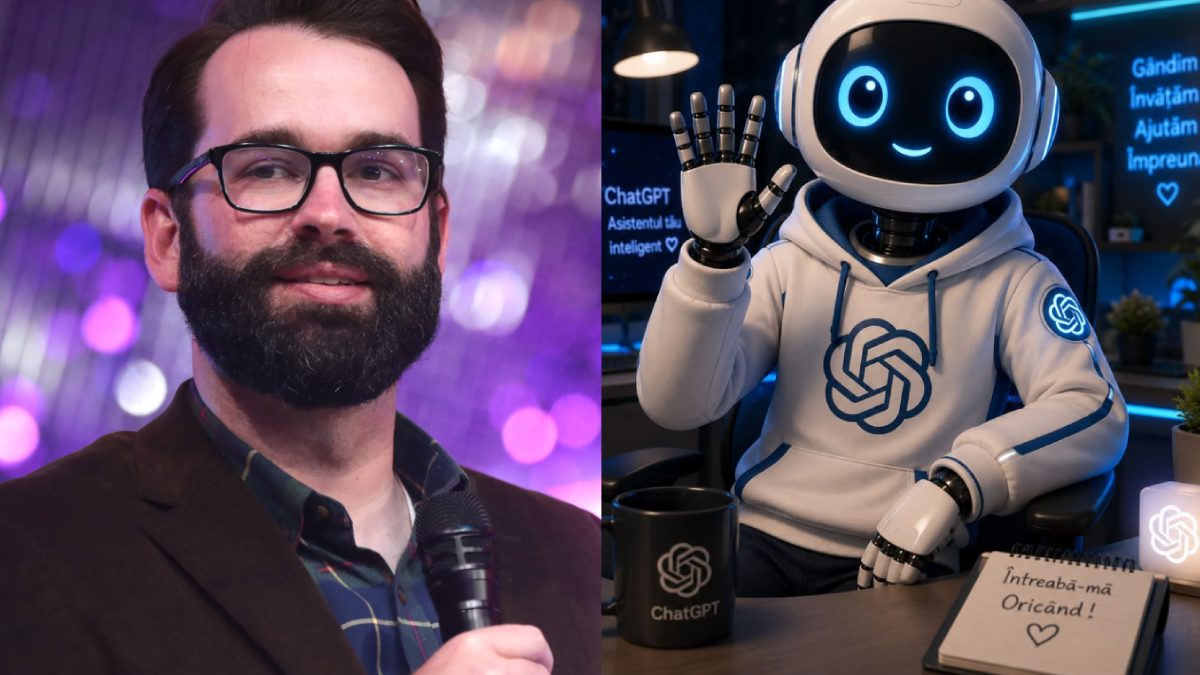
Conservative commentator and YouTuber Matt Walsh has raised this issue, worried about the worst-case scenario: people treating AI chatbots as friends and spending long periods of time talking to them. In a post on X on October 14, 2026, Walsh asked what would happen if AI conversations started replacing human interaction on a much larger scale.
Matt Walsh Questions the Increasing Use of AI for Companionship.
Walsh's comments followed a post on X where a passenger asked ChatGPT whether they could bring food from Cava, a fast-casual restaurant chain, on a flight. That one question turned into an all-encompassing conversation with the chatbot, the account said.
Walsh brought up the broader issues with how people interact with AI systems in general. He argued that an overwhelming number of people, particularly younger users, now talk to chatbots with the intention of being friends and use them daily.
Walsh wondered what would happen if people were spending much of their time talking to AI instead of building relationships with other people. He added that big tech companies involved in the development and operation of these systems were the ones who are most often responsible for them.
His comments were on the social effects of increasingly personal interactions with AI. But his post did not establish how many young people rely on chatbots for companionship or prove that AI use is already replacing human friendships on a large scale.
Why AI Chatbots Are Becoming Part of Personal Conversations.
AI chatbots can respond quickly, remain available at different hours and allow users to discuss personal issues without worrying about an immediate reaction from another person. These features can make them appealing to people looking for advice, conversation or emotional support.
But there is a difference between using AI to organize thoughts and using it as a substitute for human relationships. Human friendships are based on shared experiences, mutual responsibilities, personal boundaries and emotional understanding developed over time. Chatbots may generate supportive responses, but they do not experience friendship in the same way humans do.
Researchers have also raised questions about whether AI companionship might provide support for people who feel isolated and, in some cases, it might deter them from interacting with human contact. The long-term effects of these interactions are still being studied, and therefore, the benefits and risks are not definitive.
Matt Walsh has also critiqued AI's effect on jobs and creative work.
Walsh’s concerns are not limited to human relationships. He has also wondered how AI might affect employment and creative industries, including film, music and advertising.
On October 8, he responded to Anthropic’s research that examined the tasks robots could do and the potential for robotics to be integrated with large language models to expand their capabilities. Walsh used the findings to ask how technology companies shape changes in how workers and society respond.
He has also criticized AI-generated entertainment. In December 2025, he called the McDonald's AI-generated Christmas advertisement an awful artistic representation. He has also questioned AI-generated music and its potential influence on human creativity.
These criticisms are representative of bigger debates about how quickly AI should be adopted and what role human judgment, creative work and personal relationships should continue to play as technology develops.
The Debate Over AI and Human Connection.
AI chatbots are increasingly being used for personal conversations, and technology companies, researchers and users have questions to consider. Some people use these tools for reflection, information and temporary help, while others may become habitually uninterested and not want to seek help or companionship from people around them.
The real question is not whether people should use AI. It is how we can deploy these tools without undermining human connections and what safeguards should be made as chatbots become more involved in people’s personal lives.
Walsh’s warning highlights these concerns, but the overall social and psychological impacts of AI companionship remain an evolving area of research.






Comments
Leave a Comment