
Kerala News: The Nedumbassery car accident that killed 3 people has reignited a heated debate on social media, with families of the victims asking about the investigation and fighting online victim-blaming and communal remarks. In contrast to the actual offence of driving under the influence of alcohol, social media has questioned why the two deceased women were travelling late at night with their male friend Iyas.
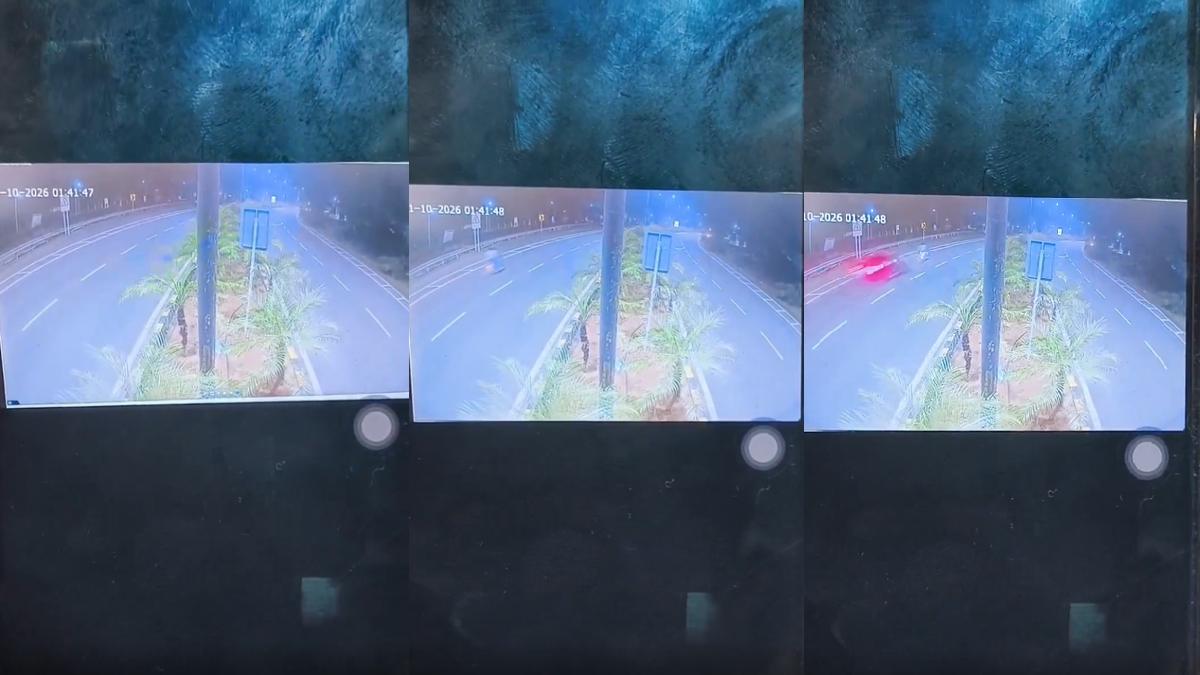
The debate is so heated that some people say we are going to have moral policing, gender-based prejudice and that victims are responsible for the circumstances of their death.
The two women, Gopika and Devika, were travelling with Iyas when the fatal accident took place, they said. Online posts have questioned why the Hindu women were out late at night with a Muslim friend and why they were in a public place. Questions have also been asked whether the women were wearing helmets and why they were travelling at night.
Critics of these remarks say they are taking attention away from the incident itself and the driver’s alleged role in it. The growing controversy has shown that gender stereotypes and communal narratives can shape public discourse while the family is trying to figure out what happened after a fatal accident.
Divya GS, a researcher at Tata Institute of Social Sciences (TISS), has criticized the culture of victim-blaming that patriarchal and Hindu nationalist views often force victims to be examined in cases of sexual violence and harassment.
She noticed that the initial reaction to the accident was sympathy for the deceased and their families. But, she said, the discussion settled into the question of why the young people were out late at night, why the women were travelling and whether they were wearing helmets. She said the debate had slowly taken a communal turn away from the main questions around the accident and the investigation.
The families have also expressed concern that the online controversy is making an already difficult situation more painful. While they seek clarification on aspects of the police investigation, including the omission of the accused person's name from the First Information Report (FIR) and the collection of blood samples from Gopika's body after the post-mortem examination, they have found themselves responding to questions about the victims' personal choices.
The father of Gopika, M.R. Pradeep Kumar, told The New Indian Express that both young women had morning classes and worked part-time at a stationery shop called Sukoyo. Although the shop closed at around 10 pm, workers would often take another 30 minutes or more to finish their work and leave the premises. They would go back to their paying guest accommodations.
He questioned how young women working and studying on such schedules were supposed to eat outside or enjoy their personal lives. Gopika had informed her family about her activities, he added, and trivial arguments about the women’s movements should not obscure a serious criminal investigation. He also called on society to speak out against narrow-minded attitudes that seek to judge victims instead of looking at the facts.
Gopika's uncle M.R. Anil Kumar has urged the Home Department and the state police to prevent comments linking the deceased women to bad behaviour, which stigmatise them. He also said there is no general law that women are not allowed to go out after dark, and that being outside after dark has not been seen as immoral. Speaking on behalf of comments made in the past by some of the public figures, e.g. Hindu Aikya Vedi leader Sasikala, he said the larger social environment had helped to encourage such comments.
Sandhya Raju George, another advocate, also called the public debate “a distraction from the central issue”. The case was about an alleged incident where a young man driving under the influence of alcohol had killed three young people, she said. Even if the victims had not been present, another road user might have been hurt by dangerous driving.
WHY AREN’T WE TALKING ABOUT THIS? 19 year old allegedly kills 3 people while speeding in his Mini Cooper, and acc to locals, his response after being caught was that “his father would handle everything”. https://t.co/GDn6PCacV8
— Nikhil saini (@iNikhilsaini) October 12, 2026
The question, she said, was not who went out at night or the victims’ lives and how we know how the victims’ lives were, but what caused the accident and whether the law is being followed correctly. She also said the accused person’s name was not listed in the FIR and the investigation needs to be more transparent.
DGP Rawada Chandrasekhar has assured us that such remarks and social media posts targeting the victims will be looked into and action will be taken against them. He also said the district police chief will be approached and told to report the incident to the families of the deceased and encourage them to file a complaint. A complaint would be necessary to conduct the process and after that, it will be possible to clear off the offending posts, trace their origin and take action against those responsible. He said that such remarks were regrettable to be circulated after such a tragedy.
The Nedumbassery accident’s controversy has evolved into more than the immediate circumstances of the crash into a wider conversation about women’s freedom, communal prejudice and accountability on social media. The families are demanding answers about the investigation while refusing to judge the victims for their individual choices. As police consider taking action against harmful online content, the focus is on establishing the facts of the accident, ensuring a transparent investigation and preventing speculation from undermining the dignity of the deceased and their families.

Comments
Leave a Comment