
A tiger of around two years old was found dead in a trap, and the corpse of another elephant was found in Karadigallu Hill with both tusks missing. Forest officials say both bodies were found in a very poor state of decomposition, so the deaths took place well before they were discovered. Police are investigating whether the two incidents are linked and if there is an organised poaching network, such as the Bavariya gang in Karnataka.
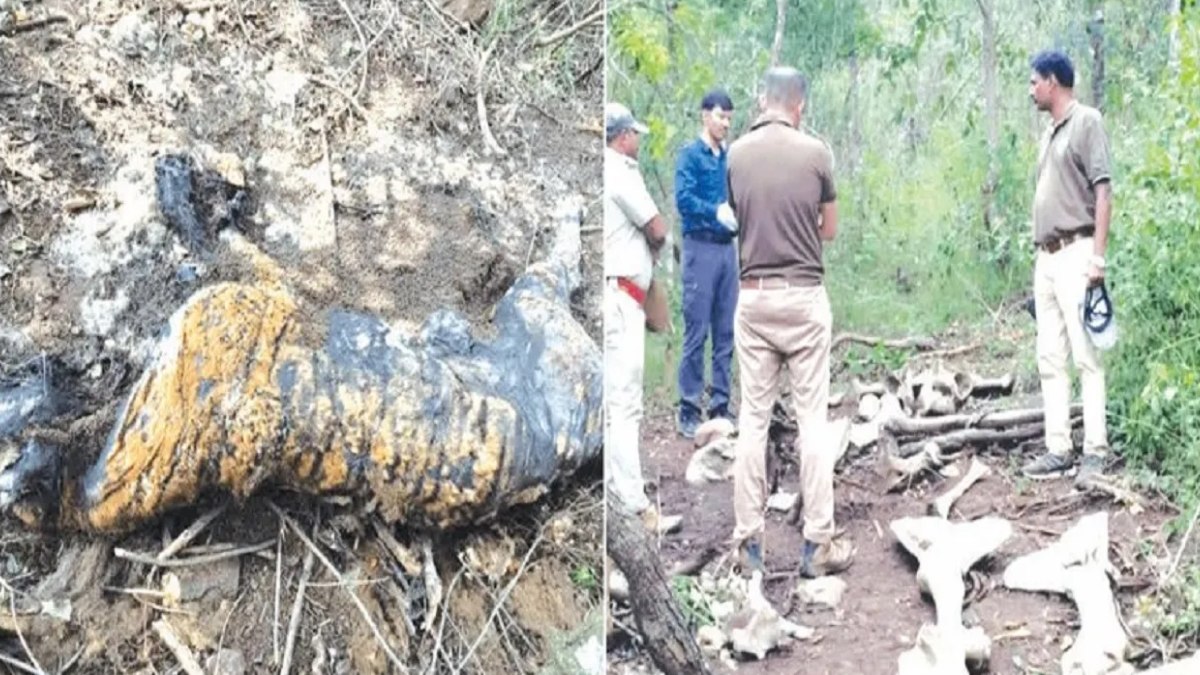
The tiger was found in a snare that was allegedly laid by poachers in the Hongalli beat of the Maddur Wildlife Range, forest officials said. The tiger was estimated to have been about two years old. Because of the corpse's decomposition, it is still difficult to determine if it is male or female.
With snares being a common practice by poachers to trap wild animals, they can cause severe damage or even death. The tiger’s body was sent for a post-mortem examination, and samples were sent to a forensic laboratory for analysis. Investigators will look at any evidence for what could have killed the animal and to determine if it was deliberately killed or stuck in a snare that was meant to reach other animals.
The second incident was the discovery of an elephant carcass near Karadigallu Hill, in the same wildlife area. Forest officials found that both tusks were missing, raising fears of illegal hunting for ivory. Deputy Conservator of Forests Nandeesh L. said the discovery was still being investigated.
The presence of a trap set up to catch animals close to where the elephant was found has further fuelled fears of poaching in the area. But officials have also voiced concerns after the tiger's post-mortem examination indicated that some body parts such as canine teeth or claws were missing or not accounted for. The condition of the remains has made the investigation more difficult, and forensic examination will help to explain the reasons for the deaths.

The incidents were discovered on October 10. The forest department did not publicly disclose the cases because officials did not want to alert suspected poachers and possibly jeopardise the investigation. The department has informed the National Tiger Conservation Authority (NTCA) about the matter.
With the suspected wildlife crimes, authorities are investigating different possibilities, including whether the two deaths were caused by separate or related acts of the same group of crimes. The missing elephant tusks have become an especially critical part of the investigation as ivory trafficking continues to be an enormous threat to elephant populations across the country.
Special Committee To Investigate
But in an effort to conduct a complete investigation, the forest department has appointed a special committee of Assistant Conservators of Forests (ACFs). The committee will constitute three Range Forest Officers (RFOs) and two Deputy Range Forest Officers (DRFOs) and it will investigate all aspects of the incidents and submit a report to the government within one week.
Officials said that they would seek to establish the facts, identify who is responsible and whether organised poaching networks were operating in the reserve. The investigation will focus on where the bodies were found, where the traps were found, how the carcasses were laid out and any other evidence that could help to find the culprit.
Bavariya Gang Connection Under Scrutiny
Forest officials are investigating whether the Bavariya gang, a criminal group linked to organised robberies and alleged wildlife poaching, is also connected to the incidents. There are many criminal cases involving the gang in various parts of India, and members have been arrested for robbery and theft to date. A group of members of the Bengaluru police were arrested in 2021 for chain snatching and robbery, and gold jewellery worth lakhs of rupees was recovered from them. But nothing is clear of whether it is involved in Bandipur incident so far.
The suspected deaths again highlight the challenges faced by forest authorities in protecting wildlife in Karnataka’s protected areas. Bandipur is a habitat of tigers and elephants, and the alleged use of snares and the disappearance of elephant tusks raise concerns about illegal hunting and wildlife trafficking.
The findings of the special committee and forensic analysis will be crucial in determining the cause of death and whether the cases are linked. Until the investigation is complete, officials have advised caution against concluding the identity of the culprits. The immediate priority concerns establishing the facts, wildlife protection and bringing anybody responsible for illegal hunting to justice.






Comments
Leave a Comment