
The Union Government has taken another major step to strengthen India’s environmentally friendly public transport system. Union Minister H.D. Kumaraswamy launched the Information Technology portal for the PM e-Bus Sewa Payment Security Mechanism (PSM) scheme, which will provide financial security to electric bus operators.
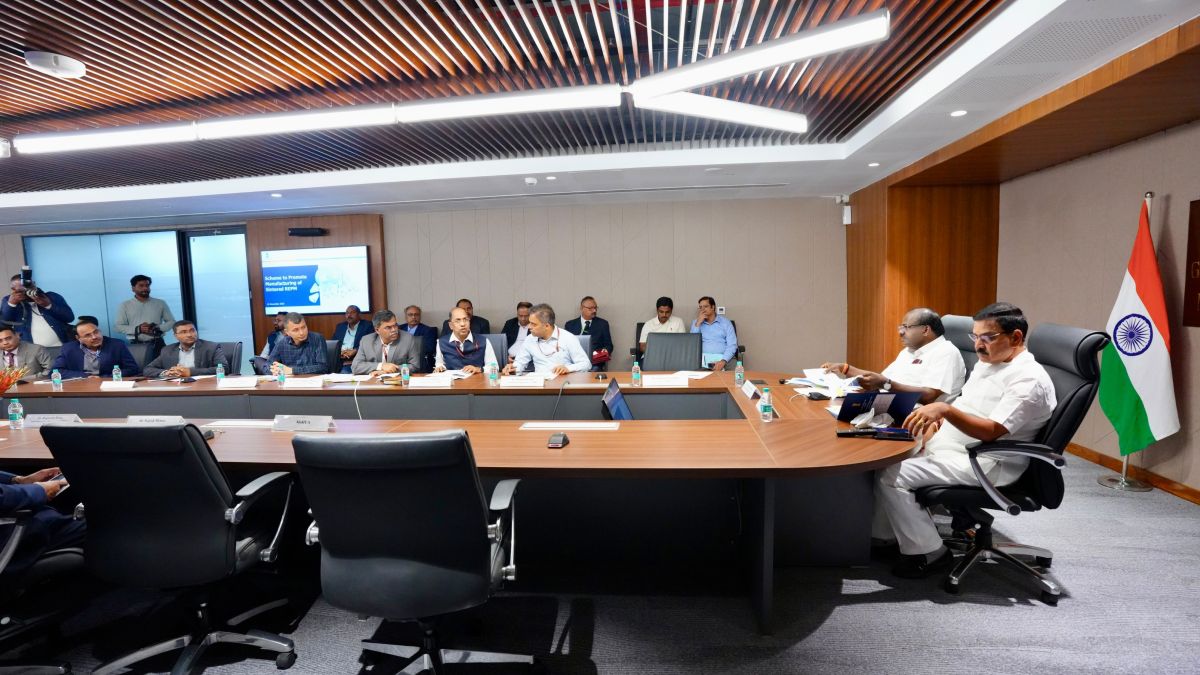
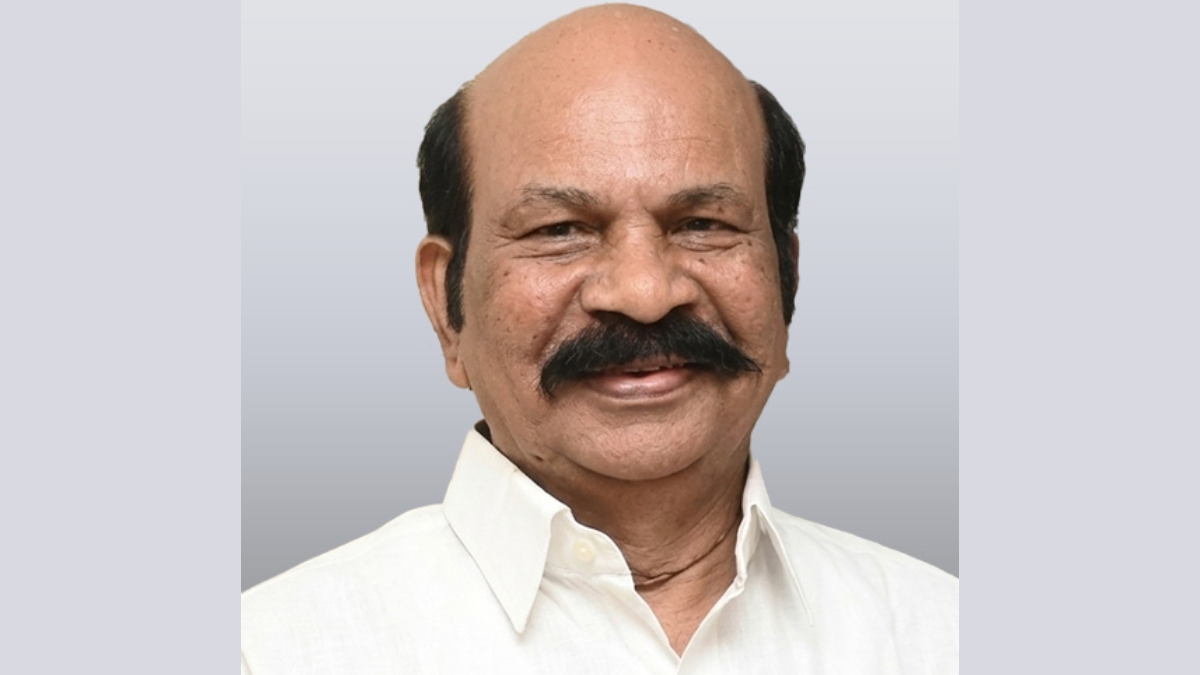
The portal was inaugurated in New Delhi by Minister of State for Heavy Industries and Steel Bhupathiraju Srinivasa Varma. Senior ministry officials, industry representatives, electric bus operators and other stakeholders from the transport sector were present at the event.
The initiative aims to promote wider uptake of electric buses across the country and build confidence among companies and investors in the electric public transport sector.
What is the ₹3,435 crore PM e-Bus Payment Security Scheme?
Under the PM e-Bus Sewa Payment Security Mechanism, the Centre has allocated a total of ₹3,435.33 crore. The scheme will provide payment security for more than 38000 electric buses that will ply across India.
Kumaraswamy says payment security support will be available for a maximum of 12 years.
One of the main problems in electric bus operations is delayed payments between transport authorities and bus operators. Operators may not be able to make payments for services delivered under contracts if payments are not made on time.
These delays impact many aspects of daily operations (vehicle maintenance, employee salaries, etc.) and operational costs. The payment security mechanism reduces these financial risks for electric bus operators and provides more stability.
27 States and Union Territories Show Interest
Kumaraswamy said the scheme has been welcomed by 27 states and Union Territories. “The response we have received so far is very good,” he said. The minister also said the government will soon roll out a separate scheme for farmers who grow fodder crops on their land.
The participation of many states will help expand electric public transport services across India. Payment security could also encourage private bus operators and investors to get more involved in the sector.
By reducing payment uncertainty, the scheme intends to make electric bus operations financially sustainable and attractive to service providers.
Centre Focuses on Environment-Friendly Public Transport
Expanding electric bus services could reduce dependence on conventional fuels and lower emissions from public transport. Electric buses can also help improve urban air quality (especially in cities where traffic congestion and pollution are rising).
Kumaraswamy said the government led by Prime Minister Narendra Modi was committed to building a clean, affordable and sustainable public transport system.
The initiative is also expected to support India’s broader climate commitments — including its net zero carbon emissions target by 2070.
How the Payment Security Mechanism Could Benefit Electric Bus Operators
The launch of the IT portal is an important step in implementing PM e-Bus Sewa Payment Security Mechanism.
The scheme — financial support of ₹3,435.33 crore and payment security for more than 38,000 electric buses — seeks to address one of the key financial problems faced by operators.
It could spur more private sector participation, boost investor confidence and help drive the long-term growth of electric public transport services in India.



Comments