
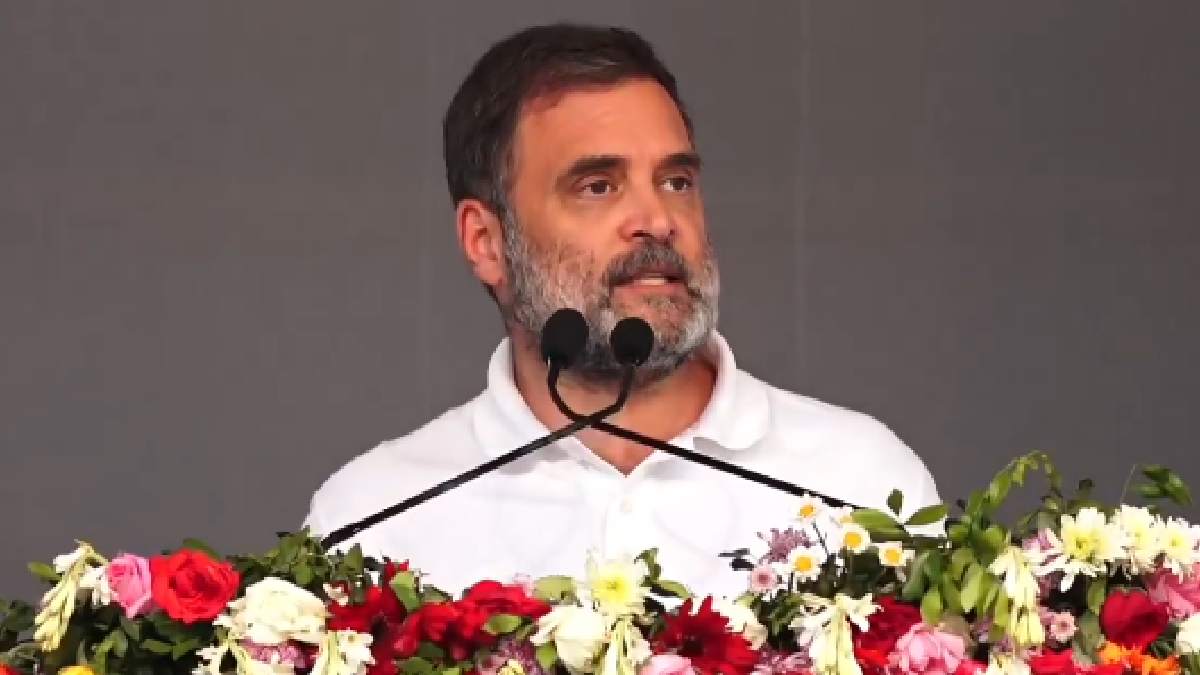
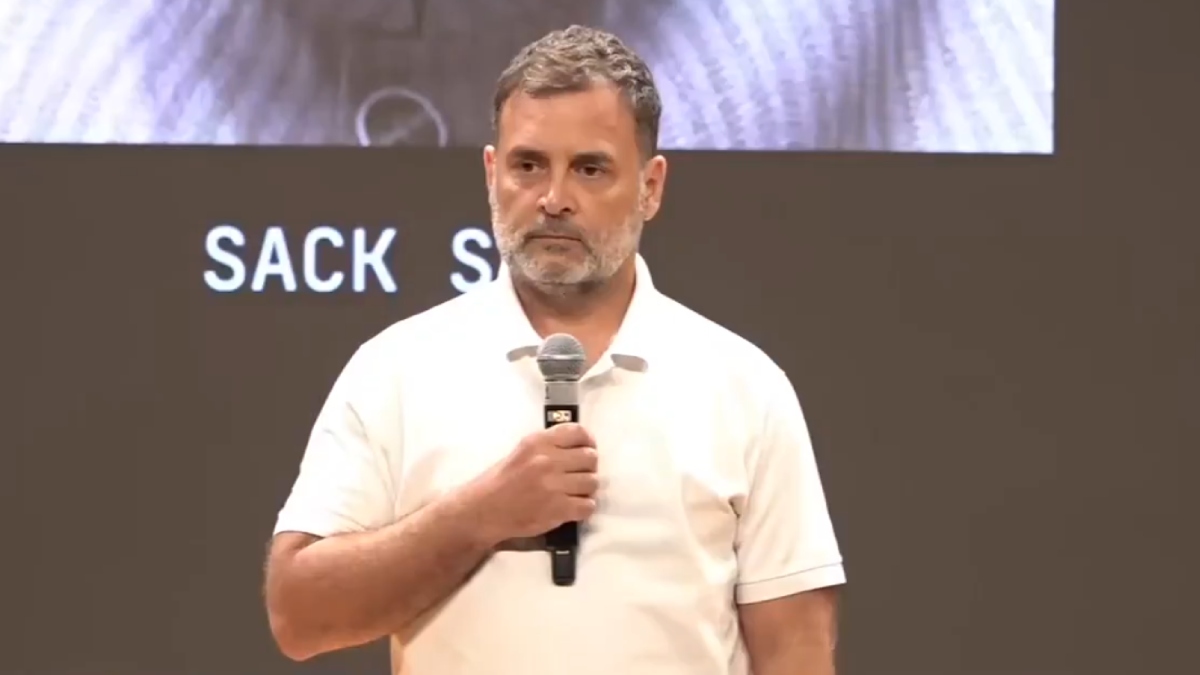
Congress leader Rahul Gandhi has warned of an economic crisis in India saying unemployment and education problems were creating it (India is sitting on an economic disaster Rahul Gandhi).
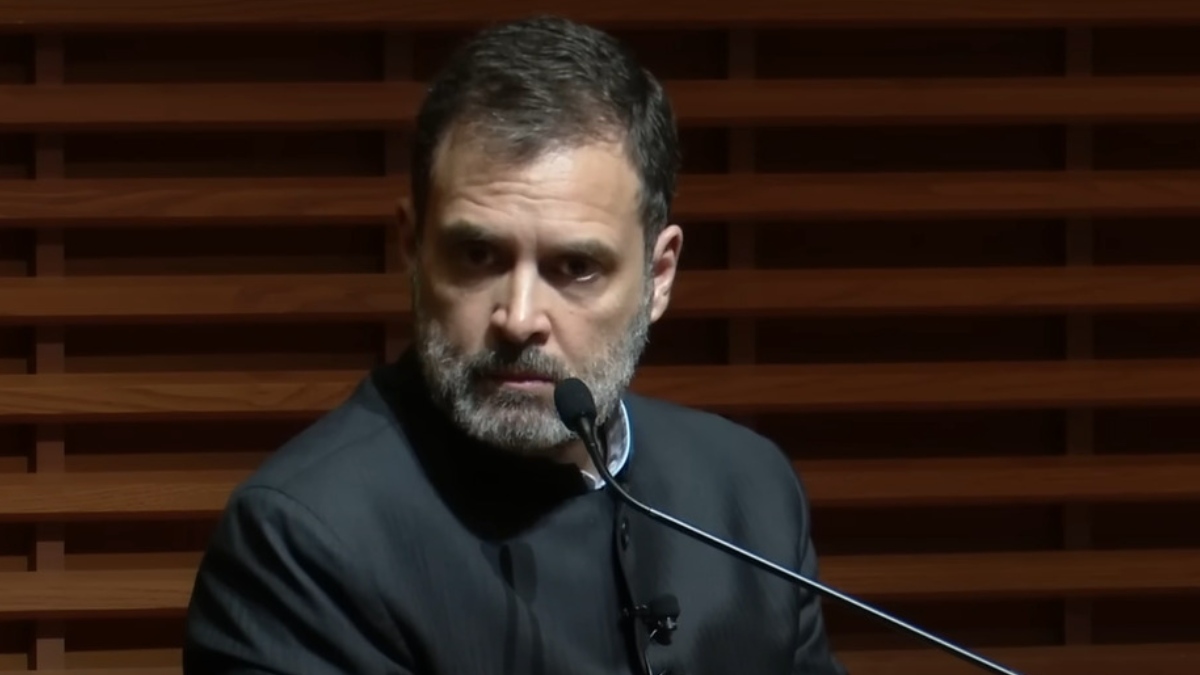
In a strong statement he said India cannot be “ignored or brushed aside by the media” as challenges facing ordinary citizens could not be ignored. His remarks have once again put unemployment, educational opportunities and country’s economic direction in the political spotlight.
The Congress leader’s comments show his continued attack on government economic policies and whether India’s growth translates into meaningful opportunities for young people.
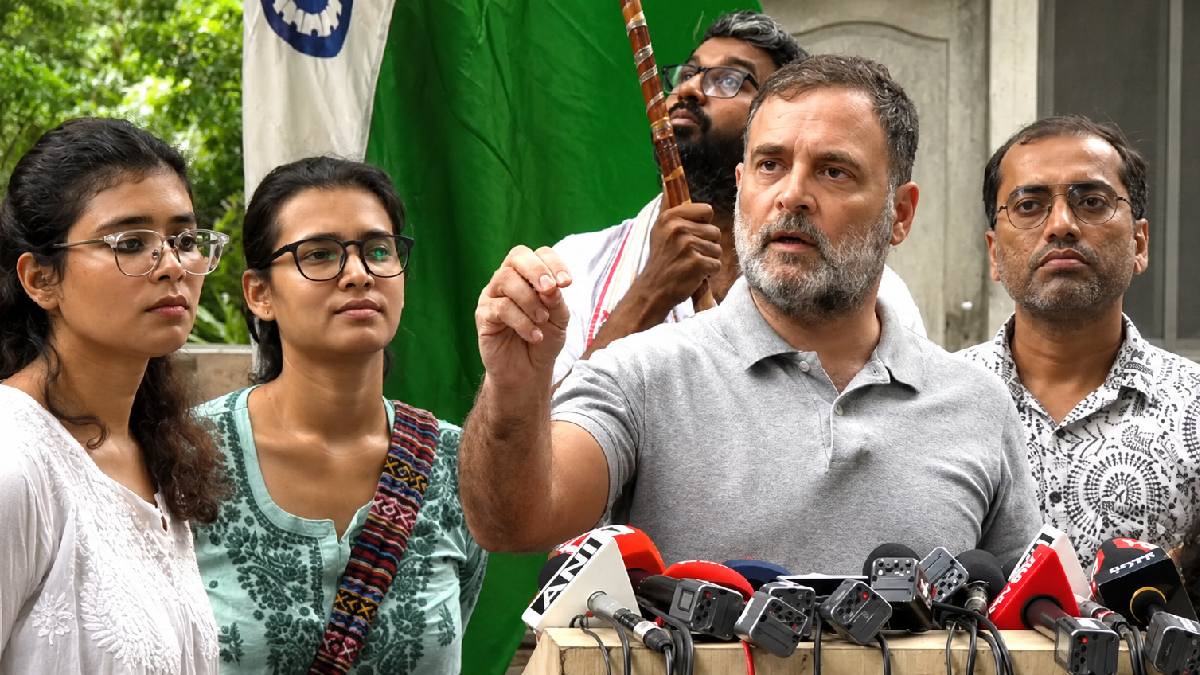
Unemployment was one of the most pressing problems for Gandhi “the biggest problem facing us today is unemployment”. He said that “enough employment opportunities are not available” and that is what young Indians entering the workforce find difficult to cope with.
Millions of students leave colleges and universities every year hoping to get jobs and build a financially secure future but concerns over job availability, recruitment opportunities, wages and quality of employment remain central in India’s economic debate.
Gandhi’s comments point to a gap between educational qualifications and employment opportunities for young people: for many families securing a stable job remains the first priority; prolonged unemployment can put financial pressure on families as well as uncertainty about the future.

The Congress leader also questioned the condition of India’s education system another major area that needed attention. Education is necessary to develop a skilled workforce, increase economic productivity and create social mobility but quality of education (what is taught), unequal access to resources, skill development and how academic learning relates to industry requirements are still issues that are important for public discussion. Gandhi’s statements suggest unemployment and education cannot be treated as separate problems because they are so closely linked to long-term economic development in the country.
Gandhi also highlights how the debate over whether India’s education system is equipping students for the modern economy has become more widespread. Technology, artificial intelligence (AI), automation and digital industries are changing workplaces; along with academic qualifications traditional knowledge and skills relevant to industry need to be part of what students learn too.
Whether young people have access to quality education, vocational training and affordable higher education can affect their employment prospects. Gandhi worries that weaknesses in education need to be addressed if India is to build a workforce capable of competing in an increasingly technology-driven global economy.
Another point in his statement was that of media coverage. Gandhi said the media could ignore India’s economic problems unemployment and education-related problems needed to be given more public space. His words raise questions about how the media talks about economic developments and what issues ordinary people care about being discussed.
Economic growth rates, stock market performance and infrastructure spending dominate public discourse but employment opportunities, household incomes, educational standards and living costs are equally important indicators of economic well-being too. So debate is not just about how quickly the economy is growing but also whether people in different sections of society are getting the benefits of that growth.
Unemployment is a politically sensitive issue in India because of its young population. Every year a large number of young people enter the job market (public and private sectors).
Recruitment by government, expansion of private sector, entrepreneurship and skill development are often cited as solutions to this problem but creating enough quality jobs is not easy (investment needed; economic stability; industrial growth; policy implementation etc.). Jobs that pay reasonable salaries, offer security and career progression are also important for young workers.
Gandhi’s comments will add another dimension to the political debate between Congress and ruling government over India’s economic performance. The government has talked about India’s economic growth, expansion of infrastructure and global presence but opposition leaders have been asking repeatedly whether these things have translated into enough employment opportunities for ordinary citizens and better living conditions?
Indicators like GDP growth, inflation, labour force participation rate, unemployment, income distribution and educational outcomes need to be looked at when one talks about the state of the economy.
So Rahul Gandhi’s warning has put back on the political agenda two of India’s biggest challenges for its future employment and education. The fact that he says we are sitting on an economic disaster is a political judgment rather than an economic conclusion but the problems he raised are subjects for public debate and policy discussion as India tries to position itself as a major global economy the ability to create meaningful jobs and provide quality education will remain important. The central question then is whether growth can give young people enough opportunities and development benefits reach ordinary households?


Comments