
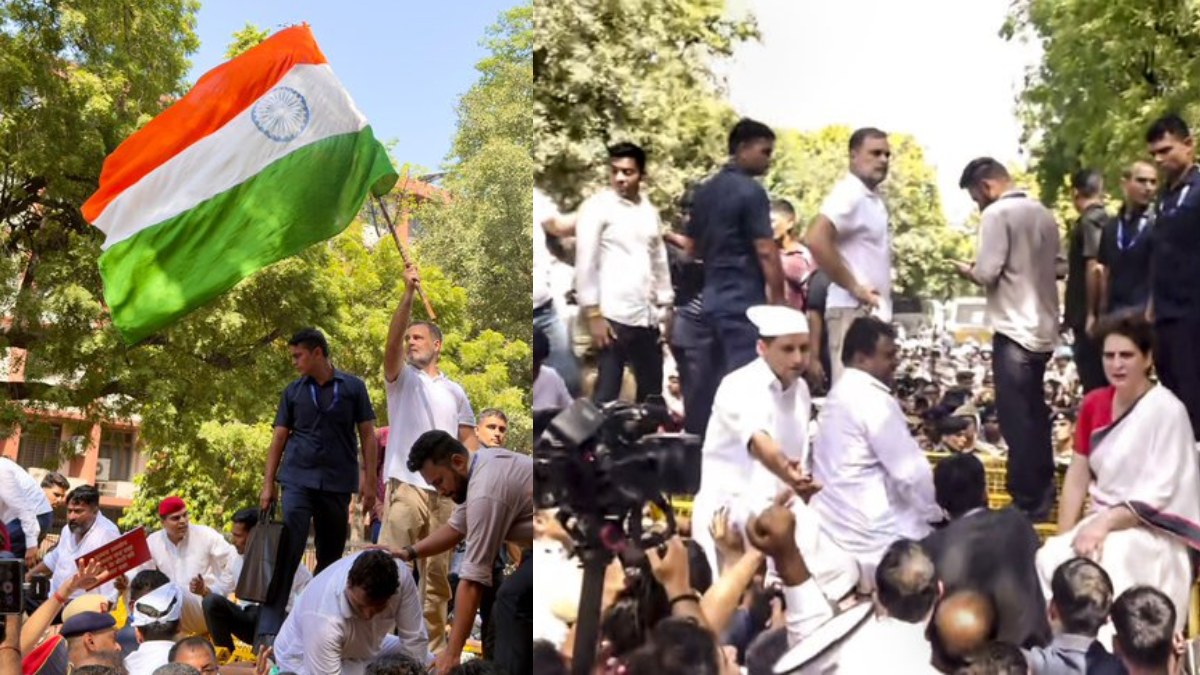
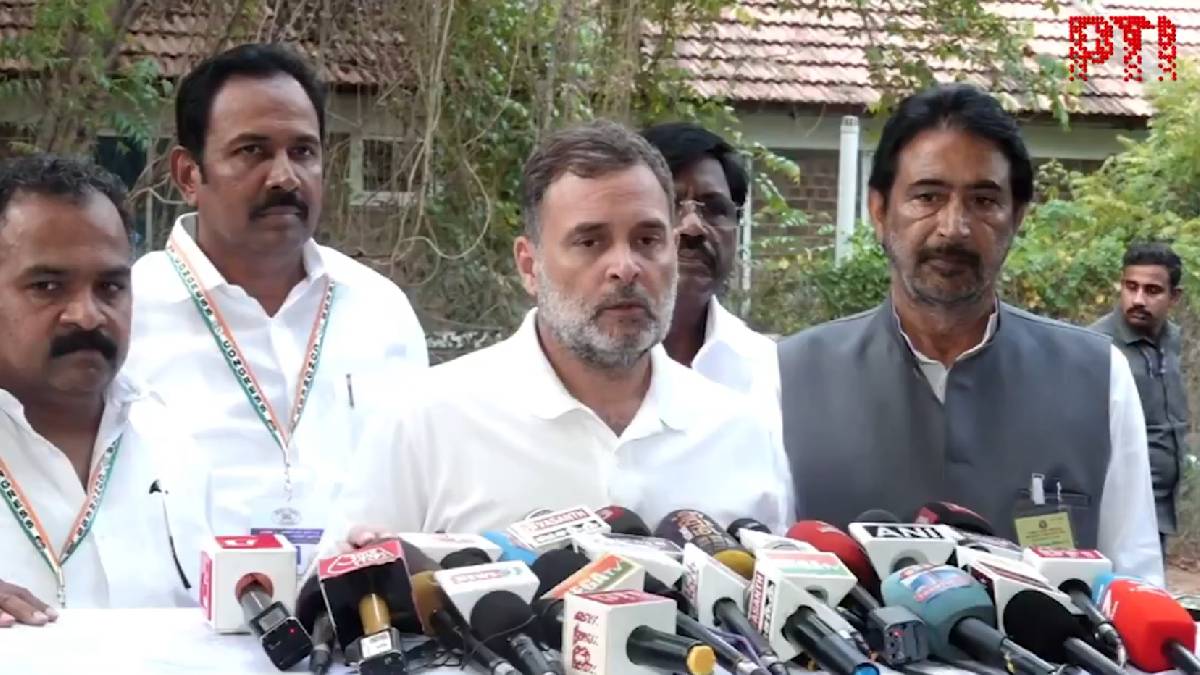
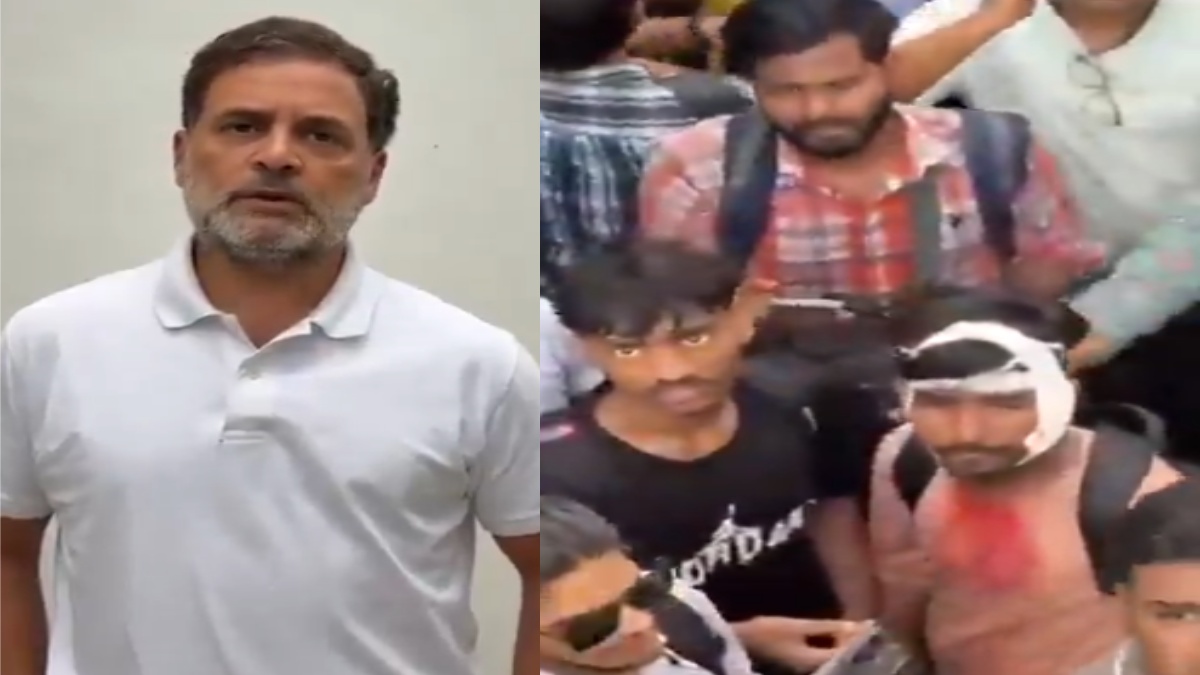
Congress leader Rahul Gandhi used a symbolic musical gesture to criticize the Delhi police’s treatment of protesters at a press conference at New Delhi on 14th October, 2026. He introduced a flute player named Samar who sang the devotional song Vaishnav Jan To Tene Kahiye and turned the performance into a statement against what Gandhi described as the use of force against peaceful demonstrators.
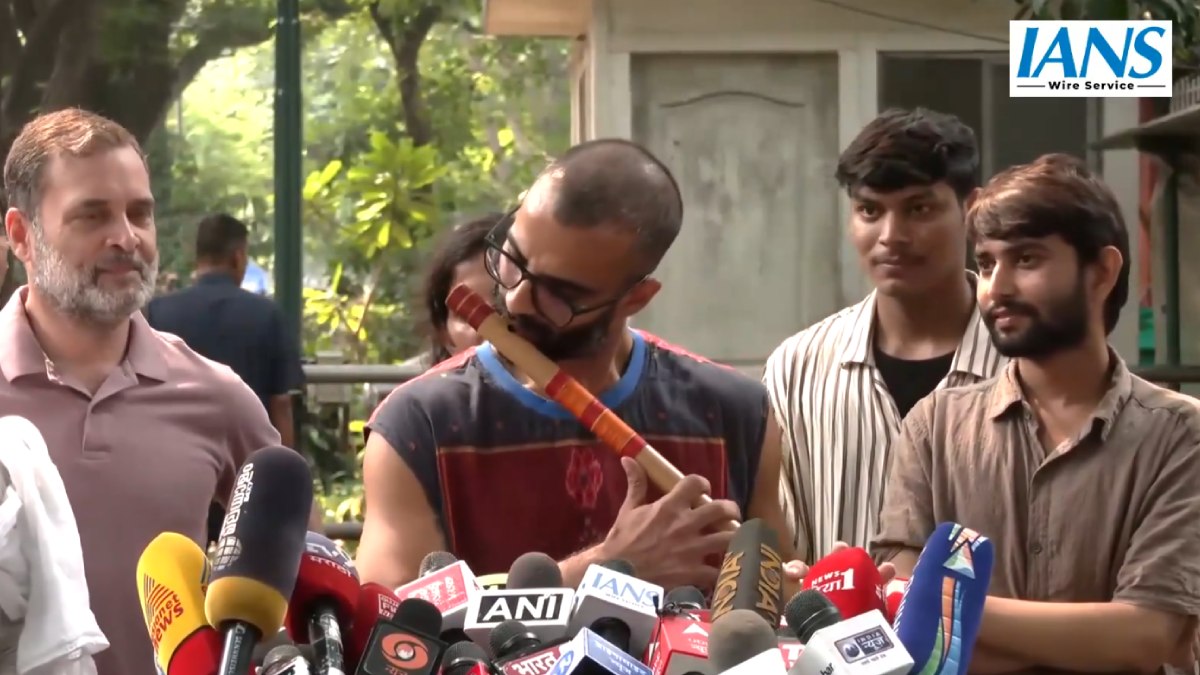
The event came as protests against Chief Election Commissioner Gyanesh Kumar and growing political tension over the revision of electoral rolls. Gandhi’s gesture drew attention for the way in which he used music to argue for the police force’s alleged use of force.
Rahul Gandhi's message through music.
At the press conference Gandhi introduced Samar and portrayed the flute performance as a symbolic response to the police action. He used the Hindi phrase “Dande ka jawab dande se” as he spoke of sticks against protesters.
The performance of Vaishnav Jan To Tene Kahiye, a famous devotional song associated with Mahatma Gandhi, added a message of compassion to the political event.
The song is associated with empathy, understanding the suffering of others. Its inclusion added a political dimension to what is typically a political meeting and accusations.
The flute player Samar shares his allegations.
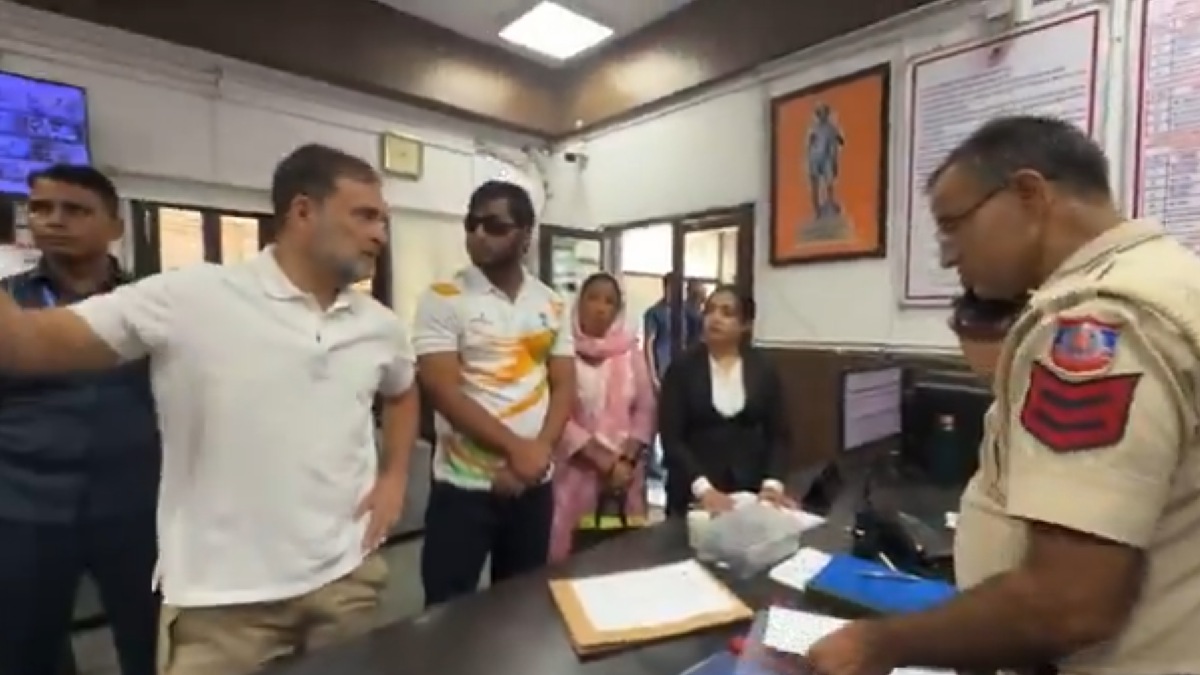
Samar spoke about his encounter with the police. He was detained during the protests and beaten by police personnel who were in civilian clothes, he said.
He also claimed that protesters were intimidated and their phones were taken and formatted. These allegations were reported by Hindustan Times, but they had not been independently established in the initial coverage.
Samar's account added to the opposition's criticism of the police response to demonstrations in the capital.
NSUI Functionary also alleges police assault.
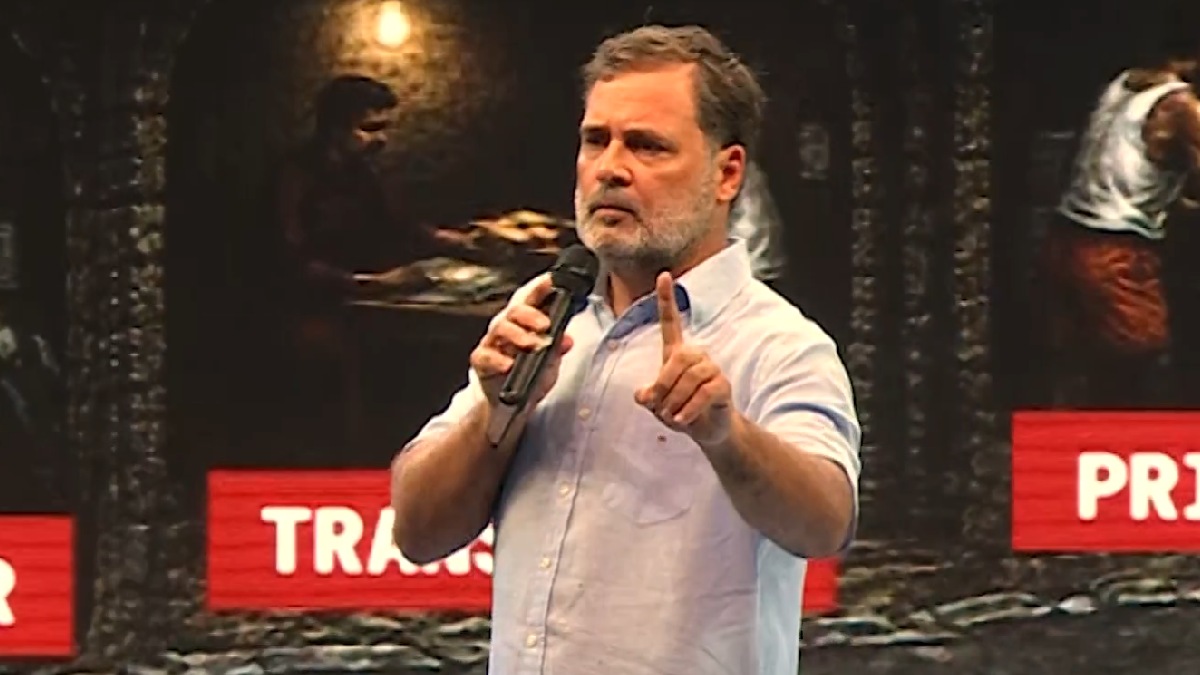
Gandhi also introduced a woman associated with the National Students' Union of India (NSUI). He praised her courage and described her as a “sherni”, meaning a tigress.
The woman said she was assaulted while in police custody. She said a woman constable dragged her to Connaught Place Police Station and she was beaten inside a room.
These were accusations made by the protester. A full account of the incident would need to be made and verified.
Delhi: Lok Sabha LoP Rahul Gandhi holds a press conference along with protesters who participated in the demonstration demanding the removal of Chief Election Commissioner Gyanesh Kumar. One of the protesters plays a flute during the media interaction. https://t.co/1yhtlRVeDE
— IANS (@ians_india) October 14, 2026
Protests against Chief Election Commissioner.
They are the result of opposition concerns about the revision of electoral rolls, and demands for accountability from Chief Election Commissioner Gyanesh Kumar.
Opposition leaders have raised issues with the voter-list implementation, while the Election Commission and the ruling side have defended the exercise as an administrative measure.
Delhi Police has been under pressure to control protests and keep public order at an elevated level. Demonstrators have been detained earlier in the week, which has also thrown a monkey wrench on how gatherings in the capital are handled.
A political message through a peaceful symbol.
Rahul Gandhi’s choice to employ a flute player was a different form of political messaging. Instead of speeches and slogans, the event employed a devotional song that was associated with compassion to reinforce the opposition’s criticism of police behavior.
The incident has added to the political dispute over electoral rolls and protest restrictions. The allegations made at the press conference are still to be verified and demonstrations are ongoing.



Comments
Leave a Comment