
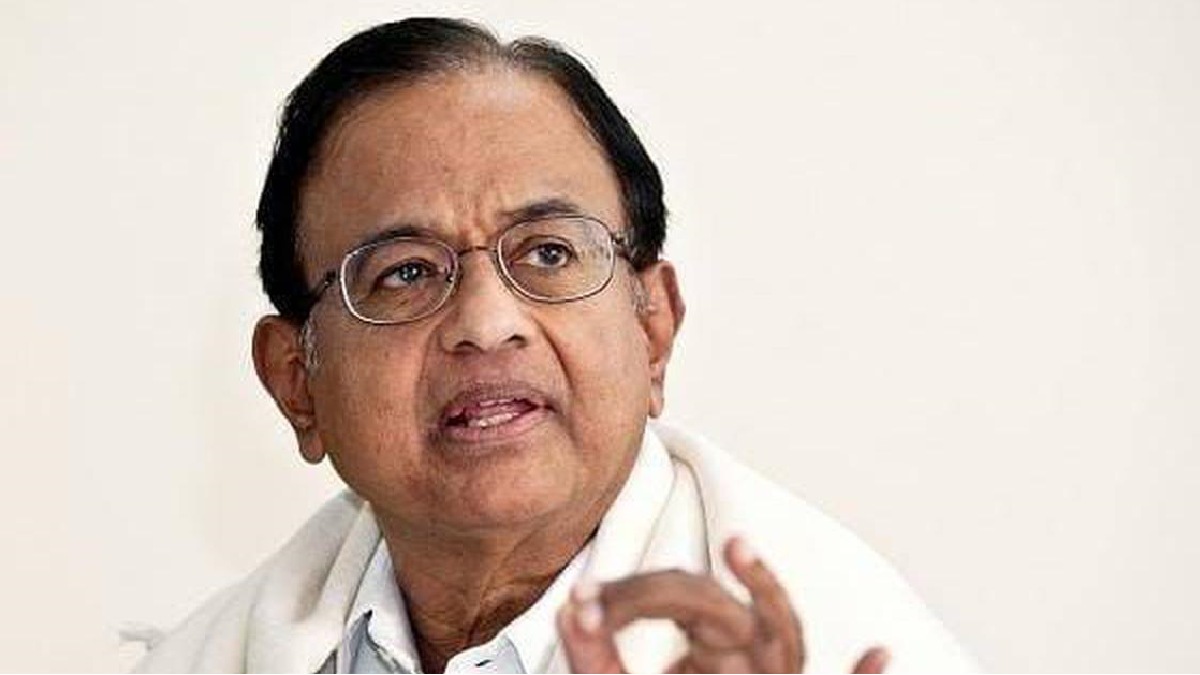
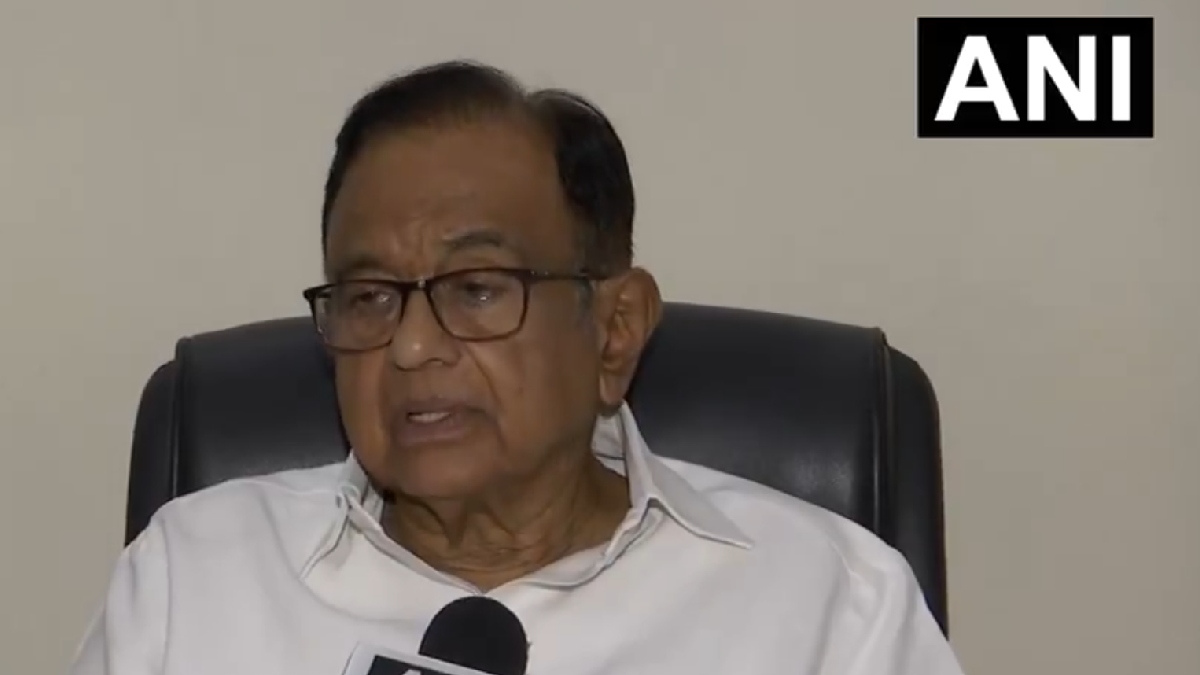
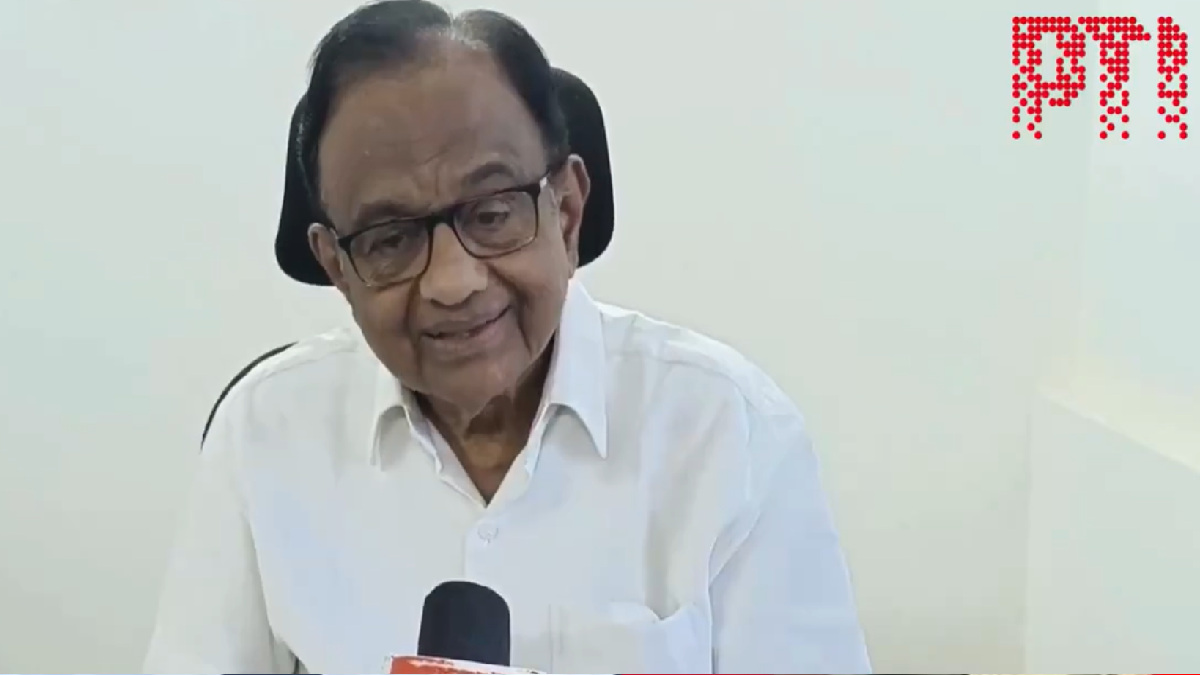
Congress leader and former Union minister P Chidambaram has raised a series of questions on the Election Commission of India’s Special Intensive Revision (SIR) of electoral rolls, focusing on the scale of deletions, the appeals process in West Bengal and reported differences among members of the poll panel.
The SIR exercise has become a hot political and legal issue and opposition parties have questioned aspects of the process while the Election Commission has defended its action as legal and according to established procedures. The issue has also received judicial attention with the Supreme Court hearing a petition on the functioning of the Election Commission and the SIR process.
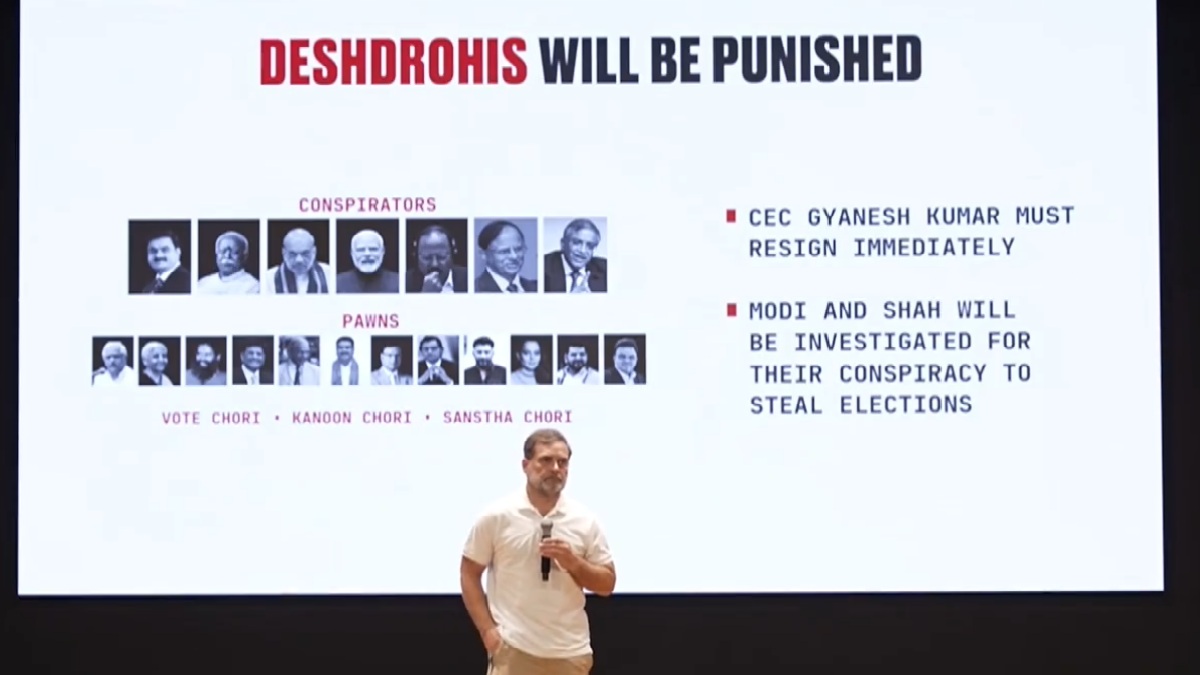
Chidambaram’s comments came after the Congress Working Committee (CWC) raised several objections to the exercise and called for the resignation of Chief Election Commissioner Gyanesh Kumar, suspension of the SIR and restoration of names that the party says were removed from electoral rolls.
P Chidambaram Questions Scale Of Voter Deletions
In his remarks, Chidambaram distinguished between the routine removal of names belonging to deceased or otherwise ineligible voters and the larger set of deletions that have taken place during the SIR exercise.
He argued that names of dead voters can normally be removed through the regular electoral-roll revision process. His questions were instead about voters whose names were affected because of problems with forms, address-related concerns or discrepancies in electoral data.
The size of the exercise has become a central point of debate. A report by The Indian Express said that the SIR, which started in Bihar in 2025 and was subsequently expanded, had led to more than 13 crore names being struck off draft electoral rolls in 30 states and Union Territories.
The figure has been cited by opposition leaders who question the process. But the removal of names from draft rolls does not necessarily mean all the affected people have been permanently removed from the final electoral roll. Different states have different procedures for claims, objections, verification and restoration.
For instance, in Maharashtra, the Election Commission recently extended the deadline for claims, suggestions and objections to the draft electoral rolls from September 30 to October 12. The commission said the large number of people not included in the draft did not automatically represent final deletions because affected electors could seek inclusion.
Why West Bengal Appeals Have Become A Talking Point
Chidambaram also referred to the number of appeals that resulted in names being added back to the electoral rolls in West Bengal.
According to the figure cited in the political debate, West Bengal SIR appellate tribunals disposed of 82,782 appeals and 75,443 names were restored. This number has been used by critics of the SIR process to contend that some deletions were made incorrectly.
The appeal mechanism is a significant part of the electoral roll revision process because voters who believe their names have been wrongly excluded can challenge the decision through the prescribed procedure. The restoration of names after appeals is a part of the larger process of claims and corrections and not the reason why every individual deletion occurred.
The Election Commission has defended the outcome and the process as statutory and legal.
Reported Differences Within Election Commission
Another major issue raised by Chidambaram is that of disputes between the Chief Election Commissioner Gyanesh Kumar and Election Commissioners Sukhbir Singh Sandhu and Vivek Joshi.
According to an investigation by The Indian Express, Sandhu and Joshi had raised objections at least 14 times over a period of 10 months about decisions and orders concerning the electoral roll revision process. There were issues with voter additions and deletions and centralisation of electoral roll data, the report added.
The reported disagreements have become a major part of the political debate around the SIR. Chidambaram argued that these differences need answers from the Election Commission.
At the same time, the Election Commission has said that differing views and observations can be part of institutional deliberations and has maintained that decisions made by the Commission have legal sanction. A recent report on the functioning of the three-member poll panel also noted that differences between Election Commissioners have occurred at various points in the institution’s history.
SIR Row Reaches The Supreme Court
The controversy is also moving through the courts. A petition on CEC Gyanesh Kumar and the SIR exercise has been submitted to the Supreme Court. The petition asks if there were powers exercised collectively by the Election Commission or by the CEC alone.
Legal challenges have also emerged at the state level. In Maharashtra, petitions filed in the Bombay High Court have questioned aspects of the SIR process and sought records about decisions, electoral roll data and technical systems used during the exercise.
The legal proceedings would provide further clarity on the powers of the Election Commission, the processes of electoral-roll revision and protection for voters whose names are not on the draft rolls.
Opposition And Election Commission Take Different Positions
The SIR dispute has now become a wider political struggle between the opposition and the Election Commission. Congress and other opposition parties are worried about voter deletions, internal rifts in the poll panel, and the procedures used in the revision process.
The BJP and other NDA parties have defended the Election Commission and attacked the opposition’s campaign against the poll panel. BJP leader Smriti Irani recently accused Congress of trying to undermine constitutional institutions and questioned the party’s objections to electoral-roll revisions.
The Election Commission, however, maintains that the SIR process is a statutory process. Its voter services also allow electors to search previous SIR rolls and check electoral information.
As political parties continue to argue about the exercise and several legal challenges are ongoing, questions about voter deletions, appeals and the Election Commission’s internal decision-making with the process are likely to remain the subject of public debate, and likely to remain a topic of public discussion for the weeks to come as well.



Comments
Leave a Comment