
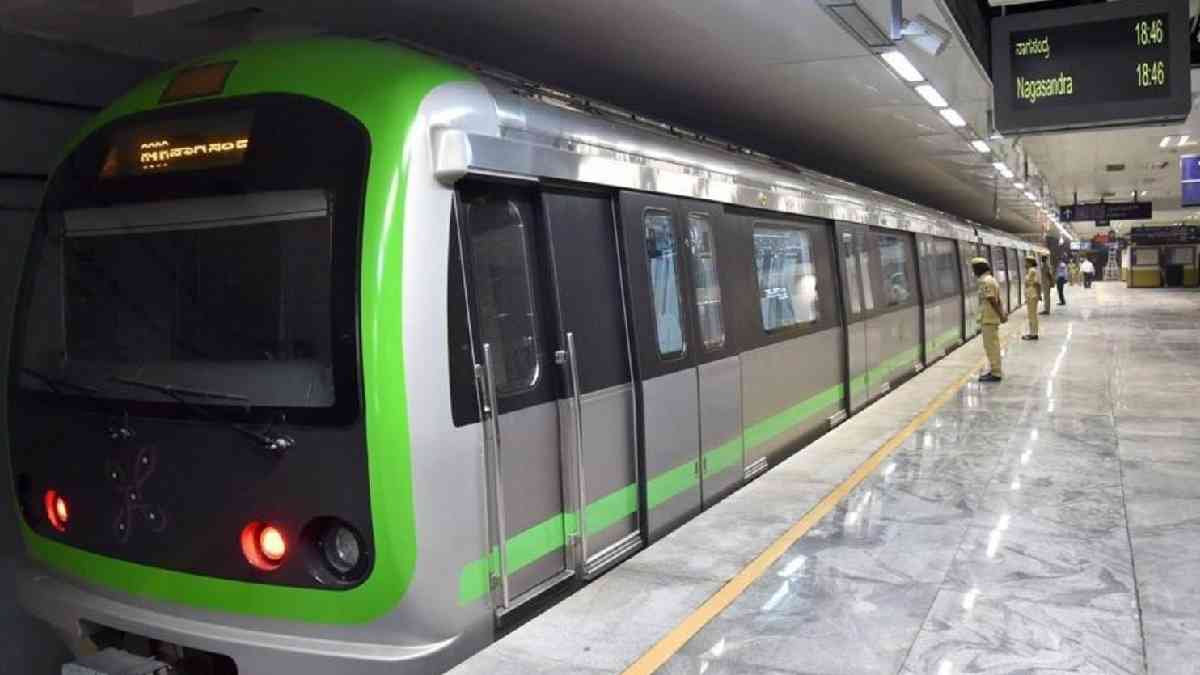
Bengaluru’s Namma Metro has once again proved that public transport infrastructure can save lives. A human heart was transported by metro from Goraguntepalya Metro Station to Bommasandra Metro Station (medical team moved the vital organ towards its destination) in a medical transportation operation which took five medical staff members from Sparsh Hospital, security personnel and BMRCL.
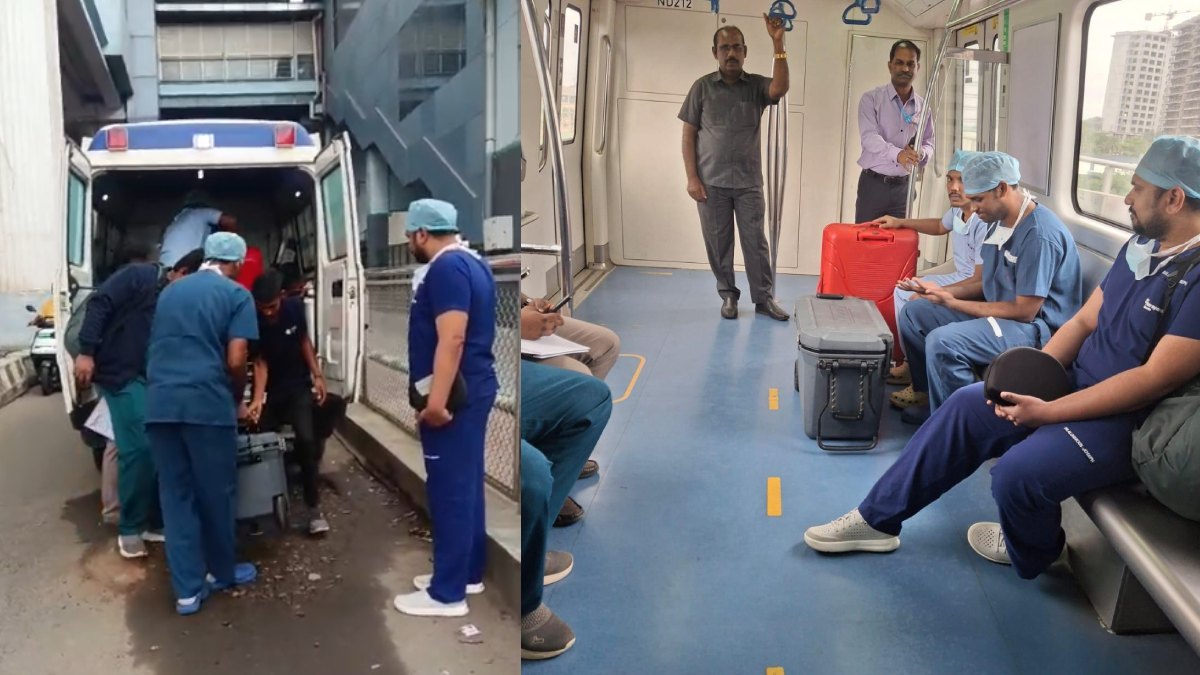
The successful journey underlines how coordinated emergency transportation services have become increasingly important in busy cities like Bengaluru where road traffic congestion poses serious problems for time-sensitive medical procedures.
As per the information shared about the operation, five doctors of Sparsh Hospital entered Goraguntepalya Metro Station at 12:20 pm with a special heart transportation box. Since transporting human heart is delicate job and time management is very important so team carried out formalities as per SOP (Standard Operating Procedure). After completing all formalities medical team boarded metro train at 12:23 pm. Security personnel on duty accompanied them to help transport heart safely throughout journey.
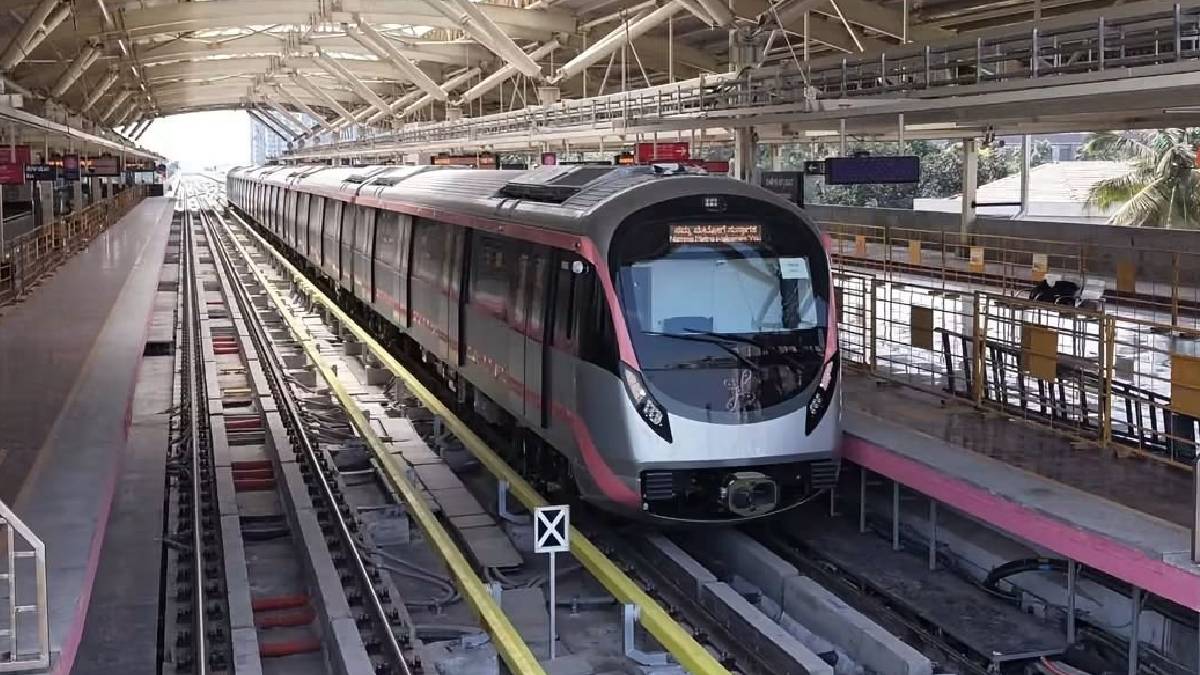
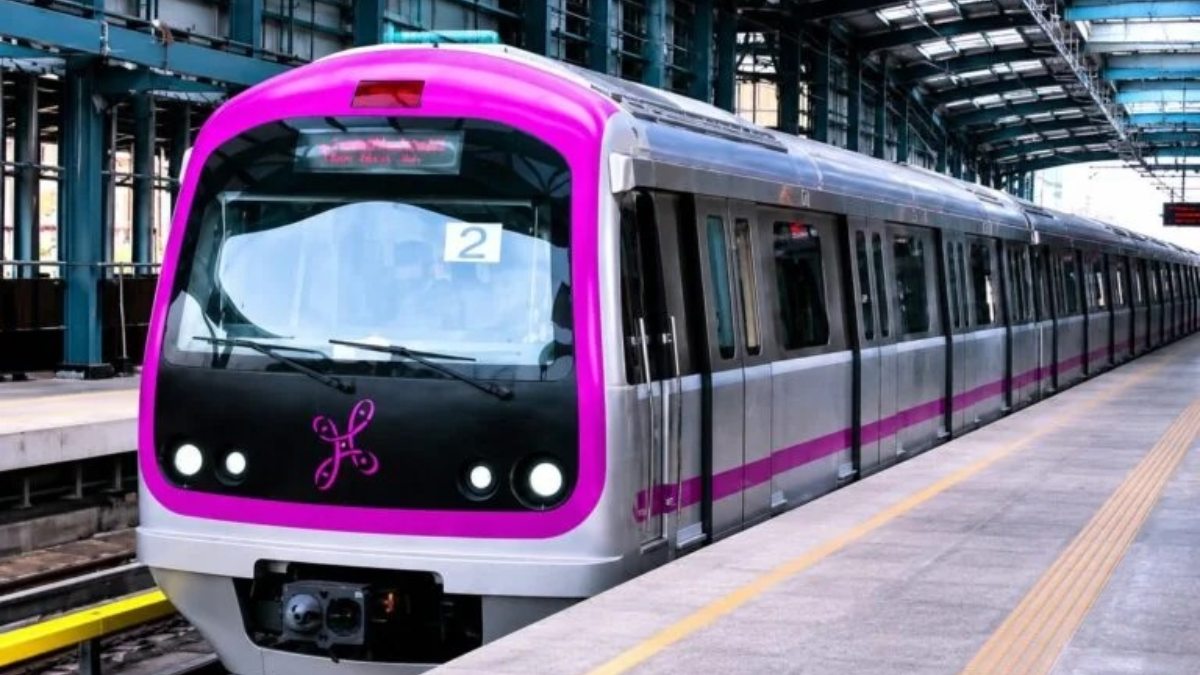
The heart was taken from Goraguntepalya to Bommasandra Metro Station and it reached at about 1:24 pm. The operation took about one hour and one minute as per the entry and arrival times recorded. From Bommasandra, the heart was taken to Narayana Institute of Cardiac Sciences for next phase of treatment. Hospital team along with metro authorities worked together so that this precious human organ could travel on Bengaluru’s public transport system.
BMRCL’s Eighth Organ Transportation Operation. The most significant aspect of this operation is that it is the eighth time BMRCL has helped move a human organ through Namma Metro and more significantly, it is the fifth time Bengaluru Metro has moved a heart showing how metro services can help hospitals and medical teams in critical situations where organs need to be moved quickly.
Organ transportation is a delicate process because donated organs need to be handled in controlled conditions. Medical teams need to coordinate transport, preserve them under the right conditions and minimize delays between organ retrieval and transplantation. In a metropolitan city like Bengaluru where traffic congestion is a regular problem alternative transport arrangements can be very useful for hospitals.
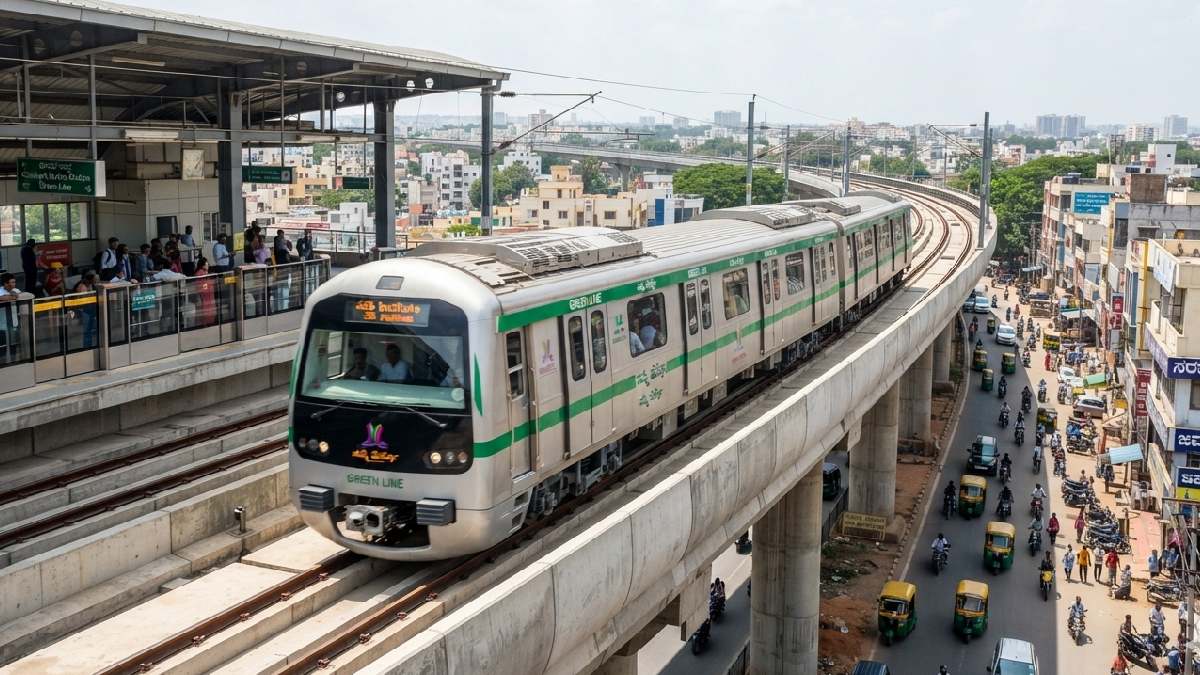
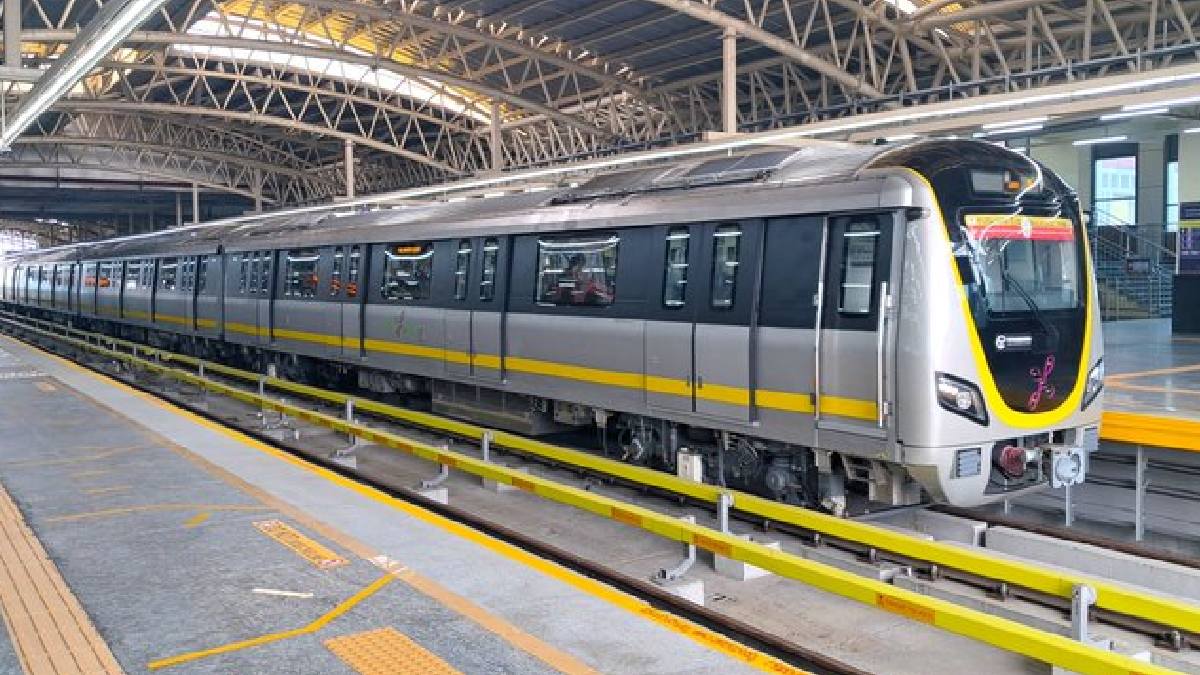
The Goraguntepalya-Bommasandra operation is another example of how public infrastructure can be used in emergency medical logistics. Allowing the medical team to use metro network helped BMRCL to make a journey across city without totally relying on road transport.
Bengaluru is one of India’s busiest metropolitan cities thousands of cars travel across its roads every day. At peak hours traffic congestion makes emergency transportation especially difficult. For medical teams moving organs (hearts) around, every stage of the journey must be planned and coordinated carefully.
A heart that is going to be transplanted has a limited preservation time outside the human body so reducing transportation delays is part of organ transplantation. Metro services can help medical teams avoid some road traffic uncertainties (origin and destination are accessible through metro stations).
But organ transportation is much more than just getting on a train. Hospitals, metro authorities security teams and medical staff have to coordinate beforehand too. Specialised transport containers permissions security arrangements SOPs are needed for the organ to be safe throughout the journey.
The Goraguntepalya-to-Bommasandra operation shows how coordination can bring different organisations together for an important medical purpose.
Bengaluru Metro’s Growing Role Beyond Daily Commuting.
Namma Metro is an important part of Bengaluru’s urban transportation system it helps thousands of commuters travel between different parts of the city but its role is not just about passenger movement every day. Transporting human organs shows how the metro network can support important public-service requirements in emergencies too.
BMRCL’s support for eight human organ transportation operations (five heart transportation operations) demonstrates how cooperation between public transport authorities and healthcare institutions can be beneficial: emergency logistics could be improved as well as additional possibilities of transportation for medical teams.
The heart transportation operation just completed also shows how healthcare professionals work behind the scenes to support organ donation and transplantation — coordinating with hospitals, making sure the organ is moved safely etc. Every person involved has an important role.
A Journey That Promotes Organ Donation. Apart from transportation arrangements the incident also highlights organ donation. Organ transplantation can be a life saving opportunity for patients with serious organ failure but only if it is successful availability of donor, medical compatibility, timely transportation and special hospital facilities etc.
The successful movement of the heart from Goraguntepalya to Bommasandra is a reminder that saving a life often involves cooperation between institutions: doctors and surgeons perform medical procedures but transport authorities and security personnel can also play an important role in supporting the movement of donated organs.
Bengaluru’s latest Namma Metro heart transportation operation is therefore not just another metro ride it is teamwork, medical coordination and public infrastructure doing what it was built to do: save lives.





Comments