
Tomato ketchup is one of the most common condiments used in Indian households and street-food stalls but quality and safety issues have come up recently.
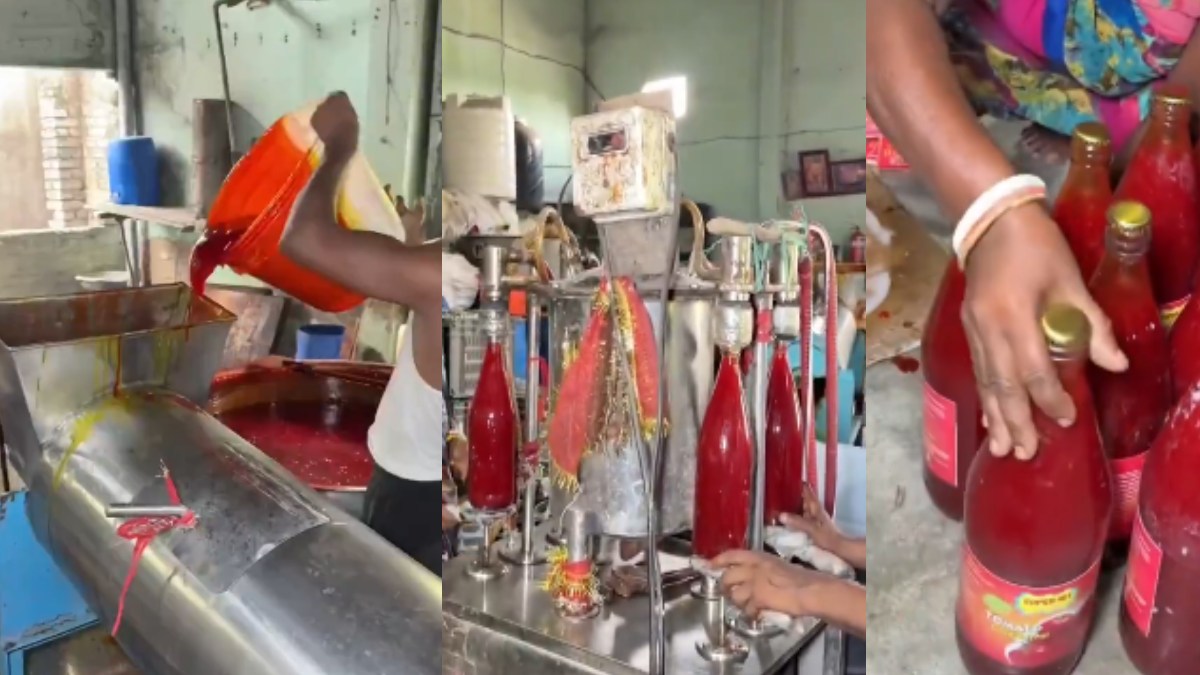
A warning online warns people that if you buy tomato sauce (which may look like sauces served at roadside food carts) then you run the risk of eating low quality stuff something every consumer knows but has a vague idea about: some cheap sauces don’t meet expected standards and could put people at risk of food poisoning.
The message also says think twice before buying tomato ketchup and pay attention to what goes into products you consume regularly.
The viral warning reads “This is the same tomato sauce you get from roadside carts and then end up going to doctor because you fall ill Tomato ketchup raises health concerns Think before you buy”.
यह वही टमॅटो सॉस है जो आप रोड के किनारे लगे ठेलो पर कहते हैं और बीमार पड़ कर डॉक्टर के पास जाते हैं। https://t.co/GDeeVwpBH2
— The Nalanda Index (@Nalanda_index) November 18, 2026
This has led to discussions about sauces sold in local markets (and checking food products before eating) but the product, manufacturer and laboratory evidence behind the warning have not been named. So consumers shouldn’t assume that every tomato ketchup brand or roadside sauce is unsafe just because an unverified claim has been made.
Tomato ketchup is consumed in India with snacks like samosas, pakoras, sandwiches, burgers, French fries, momos and other fast food items. Its sweet tangy flavour makes it a favourite addition to meals for children as well as adults but the quality of ketchup depends on ingredients used, manufacturing process, storage conditions and food safety practices followed by producers. Products not meeting food safety standards may pose health risks so consumers need to know what they are buying.
One of the big problems with low-quality sauces is poor manufacturing and unhygienic handling food products prepared or packaged under sanitary conditions that are poor may contain harmful microorganisms.
Storage, heat/moisture exposure, damaged packaging and unhygienic serving also increase risk of food contamination. Eating contaminated food can cause stomach pain, vomiting diarrhoea and food poisoning. In some cases severe infections may require medical attention (young children, older adults and people with weakened immune systems).
Another thing to think about is what’s in the product. Tomato ketchup products can contain tomato concentrate or puree, sugar, salt, vinegar, spices and permitted food additives (some varieties may have a lot of added sugar and sodium).
Consuming large quantities of products high in sugar and salt regularly may lead to unhealthy eating habits and increase risk for certain long term health problems. This doesn’t mean all packaged tomato ketchup is bad but moderation and informed purchasing decisions are needed.
Consumers should also separate genuine food safety concerns from the misleading claims making the rounds on social media. A product shouldn’t be unsafe because it looks like a sauce sold at roadside stalls food safety is about ingredients, production standards, hygiene, testing and storage practices not appearance alone. If a particular ketchup product has been suspected of contamination or adulteration consumers should look for official food safety alerts, regulatory notices or laboratory test results before reaching conclusions.
There are several simple precautions that people can take to make safer food choices. Before buying tomato ketchup consumers should check the manufacturing and expiry dates, ingredient information, manufacturer details and food licence information on the packaging; avoid products with damaged seals, leaking bottles, unusual smells, discolouration or changes in texture; once opened, store ketchup according to the instructions of the manufacturer. When eating out at restaurants and roadside stalls consumers should check if sauces are kept in clean covered containers and hygienically handled.
In India, the Food Safety and Standards Authority of India (FSSAI) sets food safety standards and regulates food businesses. Consumers who suspect a product is adulterated, contaminated or unsafe can report their concerns to the appropriate food safety authorities. Buying products from reliable sources and choosing manufacturers that comply with established quality standards also reduce avoidable risks.
In the end, the warning about tomato ketchup reminds us that even everyday food products have to be watched. There is no evidence in the supplied warning that a particular brand of ketchup is unsafe but consumers shouldn’t ignore food hygiene, ingredient quality and storage.
Labels, avoiding suspicious products and buying from trusted sellers are practical ways of protecting family health. Before putting another bottle of tomato ketchup into the basket, take a moment to see what’s inside and whether it meets basic food safety expectations.





Comments