
The Sandpaper scandal that rocked Australian cricket is back in the headlines after former opener Cameron Bancroft spilled the beans on the ball-tampering controversy in South Africa in 2018. After eight years of silence, Bancroft has revealed that it was not just the three players who were punished but the whole Australian team knew about the use of sandpaper.
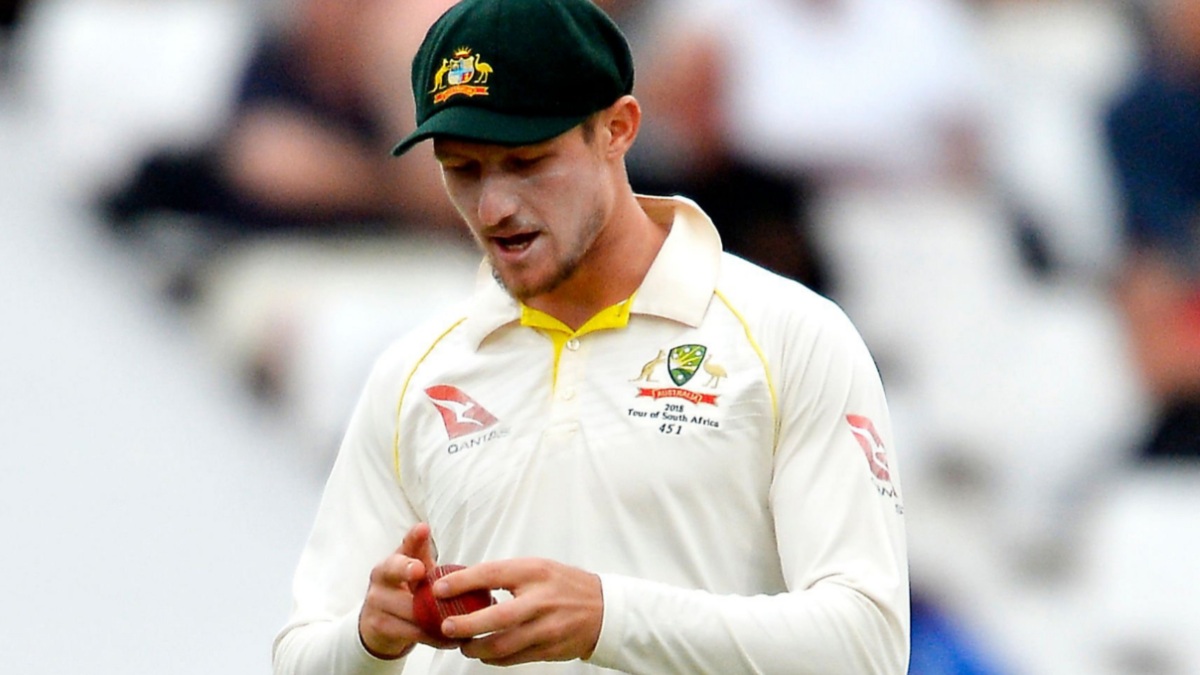
Bancroft wrote an exclusive 4000 word account in The West Australian today admitting he did not tell the truth when Cricket Australia originally investigated him. His admission has re-ignited questions about accountability and what happened during one of Australian cricket’s darkest chapters.
Bancroft Says the Entire Australian Team Knew
Bancroft directly attacked the way in which the scandal was previously understood (which centred on him, Steve Smith and David Warner).
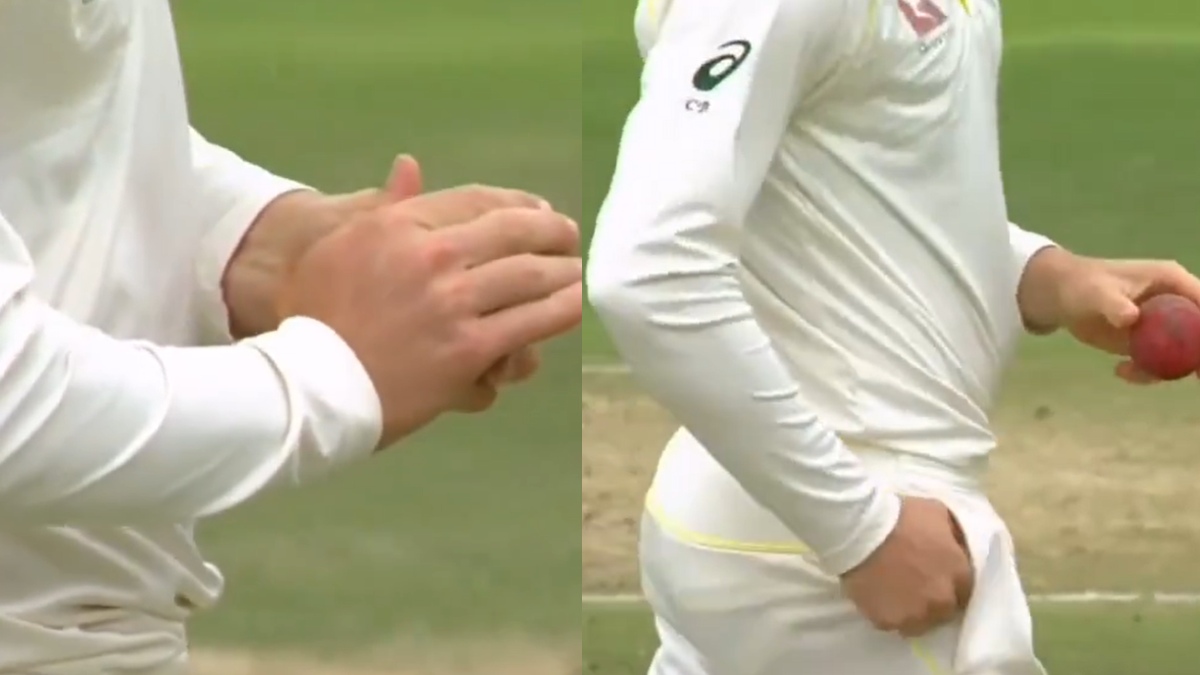
“It wasn’t just the three of us Steve Smith, David Warner and I who knew about me using sandpaper on the ball in South Africa. It was the whole team,” Bancroft wrote.
He also said his original version of events to Cricket Australia investigators was incomplete: Bancroft claimed he didn’t tell them when the sandpaper operation started, how long it lasted or who else was involved or knew about it.
He said he hadn’t told everything at the time because he didn’t want to implicate others around him.
Sandpaper Use Allegedly Started During Port Elizabeth Test
Bancroft’s latest book also details how the ball-tampering operation allegedly began.
He said that the first time sandpaper was used was in the second Test against South Africa in Port Elizabeth. He recalled a team meeting where bowling coach David Saker and head coach Darren Lehmann discussed how to generate reverse swing.
Bancroft also claimed that David Warner suggested using sandpaper to roughen up the ball as conventional methods were not producing reverse swing.
He also said Warner did not want to do it himself because television cameras were watching him.
Bancroft also said Steve Smith made it clear he didn’t want to be involved in the plan before walking away from the discussion.
Bancroft Reveals Conversations With Bowlers
Another section of Bancroft’s account is conversations with Australia’s fast bowlers.
He remembers discussing movement of the ball with Pat Cummins, Mitchell Starc, Josh Hazlewood and Mitchell Marsh.
“The bowlers asked me if I was getting reverse swing from what I had done,” Bancroft said. “They told me.”
He also said wicketkeeper Tim Paine was able to see how the ball moved and was part of discussions about its effectiveness.
Bancroft went on to tell of an incident involving Peter Handscomb who allegedly ran onto the field after instructions from team management to remove the sandpaper.
Pat Cummins' Comments Triggered Bancroft's Decision
Bancroft said comments from Australian captain Pat Cummins in recent days were the last straw for him to go public.
Cummins had rejected Usman Khawaja’s claim that the entire Australian team knew about the ball-tampering operation.
Bancroft said those comments made him angry, betrayed and alone.
He also referred to Khawaja’s recently published book Sabr which brought renewed attention to the controversy.
What Happened in the 2018 Sandpaper Scandal?
The controversy started during the third Test between Australia and South Africa in Cape Town in March 2018 when television cameras caught Bancroft using sandpaper on the cricket ball.
Cricket Australia suspended Bancroft for nine months and Steve Smith and David Warner were banned for 12 months after an investigation.
The incident badly damaged Australia’s reputation and led to major changes in the team leadership.
Bancroft has now claimed that he was responsible for a much wider operation and called himself the team’s scapegoat.
Cricket Australia Scandal Back in Focus
Bancroft’s revelations have focused attention back on transparency around the 2018 incident. Cricket Australia has also announced an independent forum to hear recollections from former players and staff.
Bancroft has said that he wants to participate in the process.
His latest account may become an important piece of the puzzle in the controversy but claims about wider team involvement still need to be tested and those named responded to.
The renewed debate is about how much was known in the dressing room of Australia and whether the original investigation got it all.





Comments