
Santiago, Chile: Dramatic images from Santiago, Chile, have shown flash floods swept cars through residential streets and damaged buildings in the Las Condes district in the city’s Las Condes. Torrential rain generated a torrent of water, mud and debris, blocking cars and leaving people stranded or displaced and roads turned into dangerous water and mud-filled rivers. At least six people were injured, the Chilean capital and surrounding areas were flooded by the torrential rain.
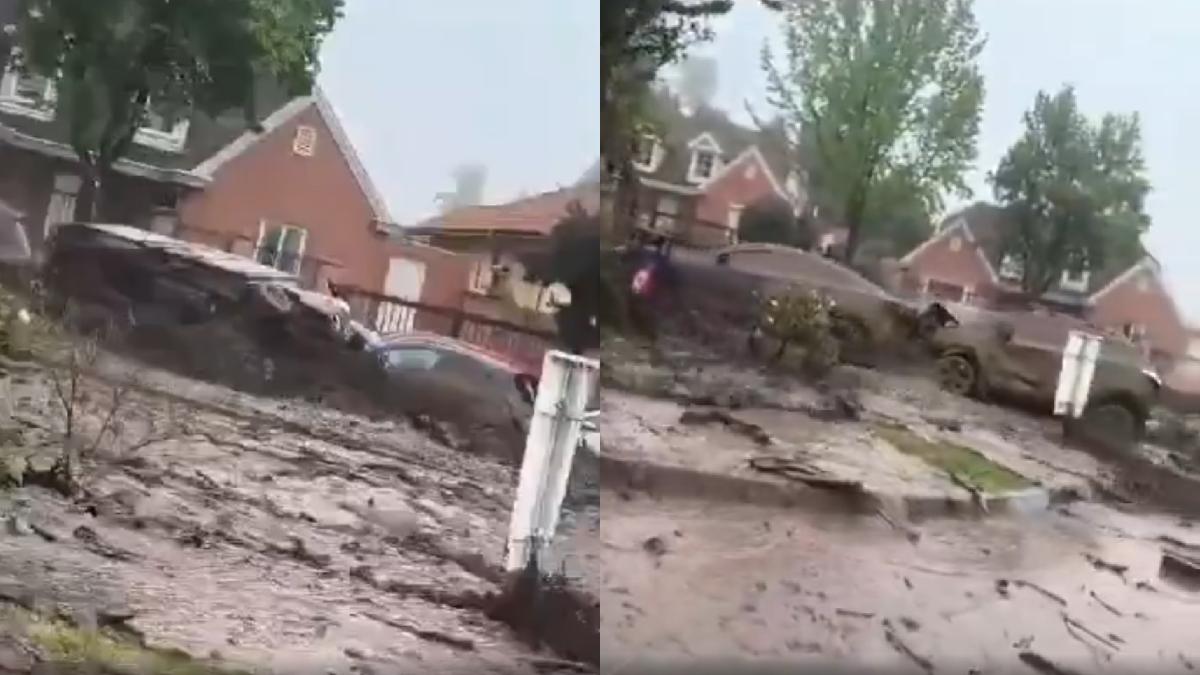
The footage shows muddy floodwater running through streets lined with homes and parked vehicles. Cars are pushed out of sight among debris as water can overwhelm an urban neighbourhood so quickly. The images have raised the alarm at Las Condes - a district in the eastern side of Santiago - where heavy rains, flowing sediment and the terrain of the area have created a catastrophic flooding event.
The situation triggered emergency services and local authorities to respond as damaged vehicles, flooded buildings and residents needing help were reported. Chilean President José Antonio Kast declared Las Condes a disaster zone, and authorities were able to use resources to coordinate emergency and its aftermath.
Flash Flood Sweeps Cars And Public Transport Through Streets
The flooding was focused in San Carlos de Apoquindo, in streets in the General Blanche area. A sudden torrent moved through the neighbourhood after a nearby channel overflowed, sending water and mud into the streets. Vehicles were caught in the current, with some pushed along the streets by the flow, and the water and mud were sent into the streets.
The incident wasn’t limited to private cars. A bus from Santiago’s RED public transport system was also swept along by the water, local media reported. Emergency crews had to deal with vehicles, debris and flooded areas, and in a complicated manner.
The images underline the dangers of flash floods, which can develop rapidly and leave drivers and pedestrians little time to react. Once a huge amount of water starts heading downhill it can carry mud, branches, stones, and debris, and the current’s destructive force increases as it piles up on top of the mud, branches and other debris.
The authorities advised people to avoid affected roads, and emergency teams were already calling for people to stay off the roads while emergency teams investigated the situation. The extent of damage was still being assessed as reports emerged from the affected areas.
Heavy Rainfall Leaves Santiago Area Vulnerable
The flooding followed unusually heavy rainfall in the Santiago region. Las Condes recorded about 14.4 centimetres of rain over the last few days, about nine times the typical October rainfall in the area, the Associated Press reported. This prolonged rainfall left the ground saturated and increased the chance of runoff and slope-related emergencies.
The Mapocho River also overflowed, forcing evacuations in parts of the city. Chile’s disaster-response authorities placed 10 more districts on high alert because of the continuing risk of landslides and other rain-related emergencies. Schools were also closed on Friday as officials responded to the weather conditions.
The scale of the rainfall illustrates the challenges cities face when heavy rainfall happens over a short period of time or for long enough to saturate the surrounding ground. Water that cannot be absorbed or channeled away safely can build up quickly in areas where streets, drainage systems and natural waterways meet.
In the San Carlos de Apoquindo area, officials have also been investigating whether drainage infrastructure is blocked in the case of the incident. Local reports suggest that debris could block two parallel ducts, preventing water from flowing normally. This is a hypothesis and not a final conclusion, and the situation is still to be evaluated.
Chile Declares Disaster Zone As Emergency Response Continues
President Kast announced the disaster-zone declaration for Las Condes based on the damage and the resources required to respond to it. The goal was to coordinate government departments and emergency services as the affected area dealt with flooding, damaged infrastructure and the risk of further disaster events.
At least six people were reported injured in the flooding, including a one-year-old child, the Associated Press reported. Initial reports were limited to injuries, evacuations and property damage, and authorities did not yet have a comprehensive picture of the damage and the condition of all affected properties.
Emergency personnel also had to check vehicles and buildings affected by the moving water and clear debris from roads. Mud and sediment can hide damage and obstruct drainage and create additional hazards after the main flow has passed; such operations can take time.
Why Flash Floods Can Become So Destructive
Flash floods differ from more gradual flooding because water levels and flow speeds can rise suddenly. Heavy rain can overwhelm drainage systems, a channel overflows or runoff from higher ground rushes into lower areas. When the flow carries rocks, soil and other debris, the resulting mud-laden torrent can damage vehicles and buildings as well as block roads.
Imágenes del devastador aluvión que arrastro decenas de automóviles en las Condes , Santiago de Chile https://t.co/sRIFgwQ5fa
— Alertageo (@alertarojanot) October 9, 2026
The Chile incident emphasizes why people should not drive through moving floodwater. Even if water appears relatively shallow, the current can make a vehicle difficult to control, while hidden debris and damaged road surfaces create additional risks. People living in the flood areas should heed official warnings and stay away from the waterways and streets where water is flowing fast.
As cleanup and damage assessments continue in Las Condes, the sequence of events will need to be established and drainage or other infrastructure problems could play a role in the flooding. Public safety, assistance for those affected and prevention of future rain-related emergencies are the immediate priorities.
Santiago’s images illustrate how quickly extreme weather can disrupt an urban environment. Cars were swept away, public transport was disrupted and homes and facilities exposed to muddy floodwater, and the Las Condes emergency has become a significant reminder of the risks posed by intense rainfall and sudden flooding.







Comments
Leave a Comment