
A drug-resistant strain of Shigella, the bacterium that causes diarrhoea and intestinal infections, has raised public health concerns in the United States as infections are being spread sexually and through oral transmission (e.g. through sexual contact). Increasingly, Shigella infection is being treated with less commonly prescribed antibiotics, and Shigella infections that do not respond to antibiotics are increasing, health officials say.

Shigella bacteria cause shigellosis, which primarily affects the intestines. It can cause diarrhoea, stomach cramps, fever and an urgent need to pass stools. Blood or mucus in a person's diarrhoea can indicate inflammation of the intestinal tract. While most people recover within a week if they get antibiotics, severe cases need medical attention when they are experiencing acute dehydration or have long-term symptoms. Antibiotic-resistant infections make treatment more difficult because drugs that have worked against bacteria are no longer effective.
Shigella infection through sexual contact is not a new phenomenon but has been on the rise as public health agencies report cases of strains resistant to multiple antibiotics. Transmission can happen when microscopic amounts of infected faecal matter enter another person's mouth during sexual activity. Oral-anal contact, contact with contaminated fingers or surfaces and sexual activity that facilitates faecal-oral transmission can all lead to infection.
Public health professionals stress that Shigella is not only a sexually transmitted infection. The bacteria can also spread through contaminated food or water, contact with an infected person and poor hand hygiene. Outbreaks have also been reported in childcare settings, home and community settings where sanitation is poor.
But sexual transmission has become increasingly important when investigating outbreaks, especially those among men who have sex with men and other networks in which close contact facilitates transmission. Recognising this route helps healthcare professionals to better identify infections and provide appropriate prevention advice without stigmatising affected communities.
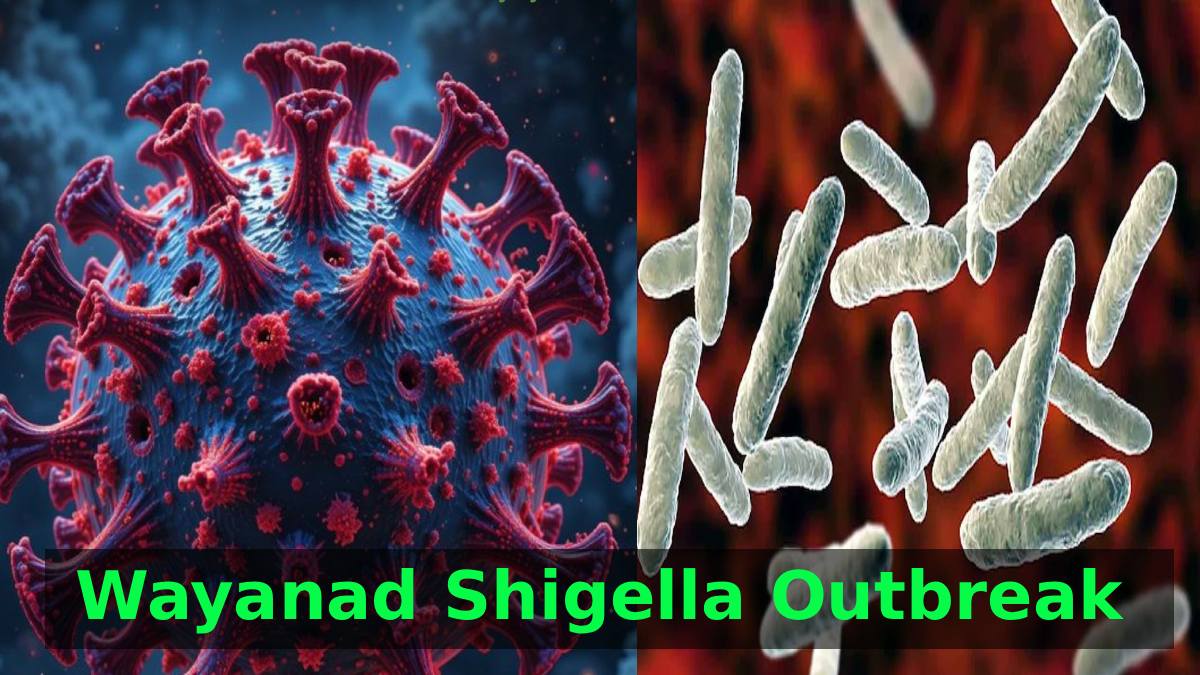
Antibiotic resistance is one of the most serious aspects of the current concern. Some Shigella strains have developed resistance to several drugs that are typically used to treat bacterial infections, which limits treatment options. Infections caused by these strains are often referred to as extensively drug-resistant when they are resistant to almost all antibiotics routinely recommended for treatment. Such bacteria can spread, and clinicians need laboratory testing to see which drugs are likely to work. Unnecessary antibiotic use might also contribute to the broader problem of antimicrobial resistance, and so responsible prescribing is increasingly important.
Shigellosis usually starts to show itself a couple of days after exposure, but the timing can vary. People may have frequent diarrhoea, abdominal pain, fever, nausea and fatigue. Some people develop tenesmus, a persistent feeling that they need to pass stools even when the bowel is empty. Mild infections usually resolve with supportive treatment, but severe diarrhoea can cause dehydration, especially in children, older people and those with weakened immune systems. Anyone experiencing bloody diarrhoea, a high fever, severe abdominal pain or signs of dehydration should seek prompt medical treatment.
In general, diagnosis is based on a stool sample to identify the bacteria. If drug resistance is observed, additional lab testing is required to determine which antibiotics are likely to be effective. This information is particularly important when symptoms are severe, the infection does not improve as expected, or an outbreak investigation is going on. In uncomplicated illness, fluids and electrolyte replacement may be recommended as the primary treatment, and antibiotics may be considered in selected cases based on clinical assessment and susceptibility.
People who suspect they have shigellosis should avoid preparing food for others and practice proper handwashing, especially after using the toilet. They should also avoid sexual activity while experiencing diarrhoea and follow medical guidelines for when it is safe to resume sexual contact. Because bacteria can be shed after symptoms are cleared up, good hygiene remains important during recovery. Avoiding oral-anal contact and using barriers such as dental dams, together with washing hands and sex toys, can reduce the risk of faecal-oral transmission.
The growing concern over drug-resistant Shigella illustrates how familiar infections can become more difficult to manage as bacteria evolve and spread across different transmission networks. It also highlights the importance of timely diagnosis, responsible antibiotic prescribing, clear public health communication and prevention measures that reflect how infections are transmitted.







Comments
Leave a Comment