
Hurricane Isaias has been hitting Florida as a Category 2 hurricane and is expected to generate high wind and water levels, and damage to the land and coastal infrastructure, and storm surge. High winds, flooding, and storm surge danger, coastal flooding and damage are the main threats to the area and life on the Florida coastline.
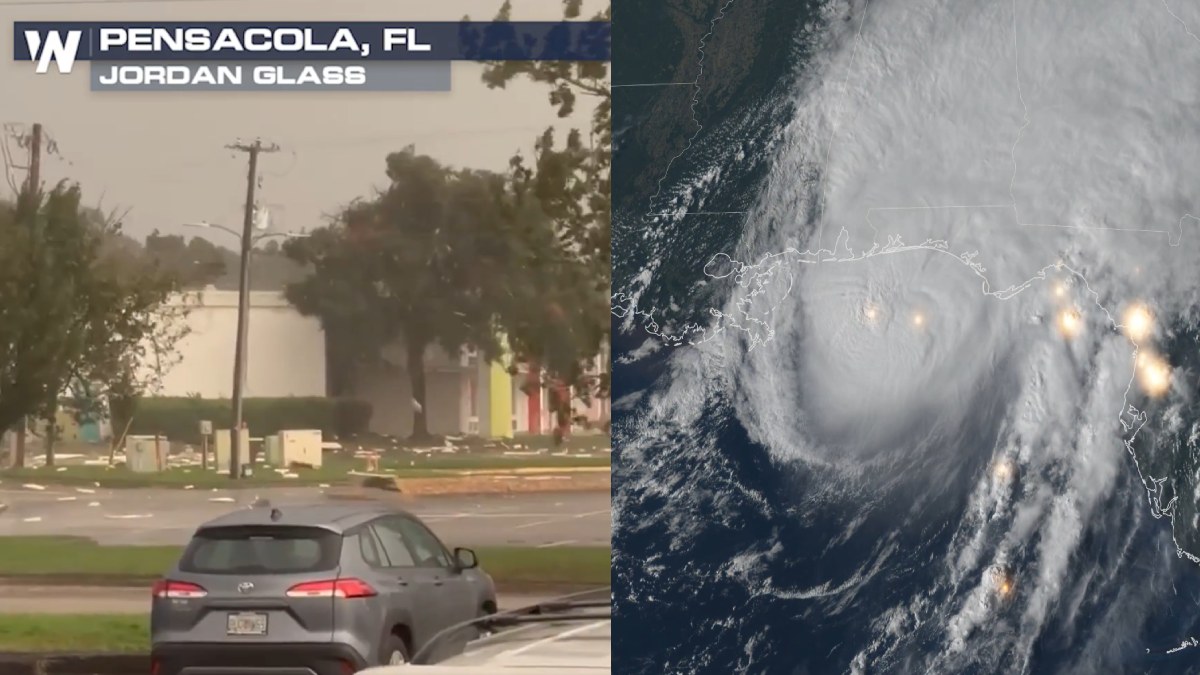
The weather service also reported that the hurricane had a wind speed of 105 mph and was Category 2 on the Saffir-Simpson Hurricane Wind Scale, which indicates hurricanes according to sustained wind speed. Storms of that strength can leave structures, trees, power lines and other vulnerable structures bare.
Strong winds can break roof tiles, break windows, knock branches and power lines down and leave people without electricity for hours. Flying debris is also a danger to people outside, and it is important that residents in affected areas are notified of what will be going on and that they are kept safe.
One of the most serious threats associated with the hurricane is the possibility of a life-threatening storm surge in coastal areas with vulnerable coastlines. A storm surge is when strong hurricane winds push seawater into the coastline and water levels rise above normal tidal levels.
The resulting inundation can inundate roads, residential areas, businesses and even critical infrastructure in a short time. Low-lying communities are especially susceptible to this, and even a short-term surge of water can make roads impassable and emergency vehicles unable to reach the people in need. Waves that accompany the surge can make it worse along open coastlines.
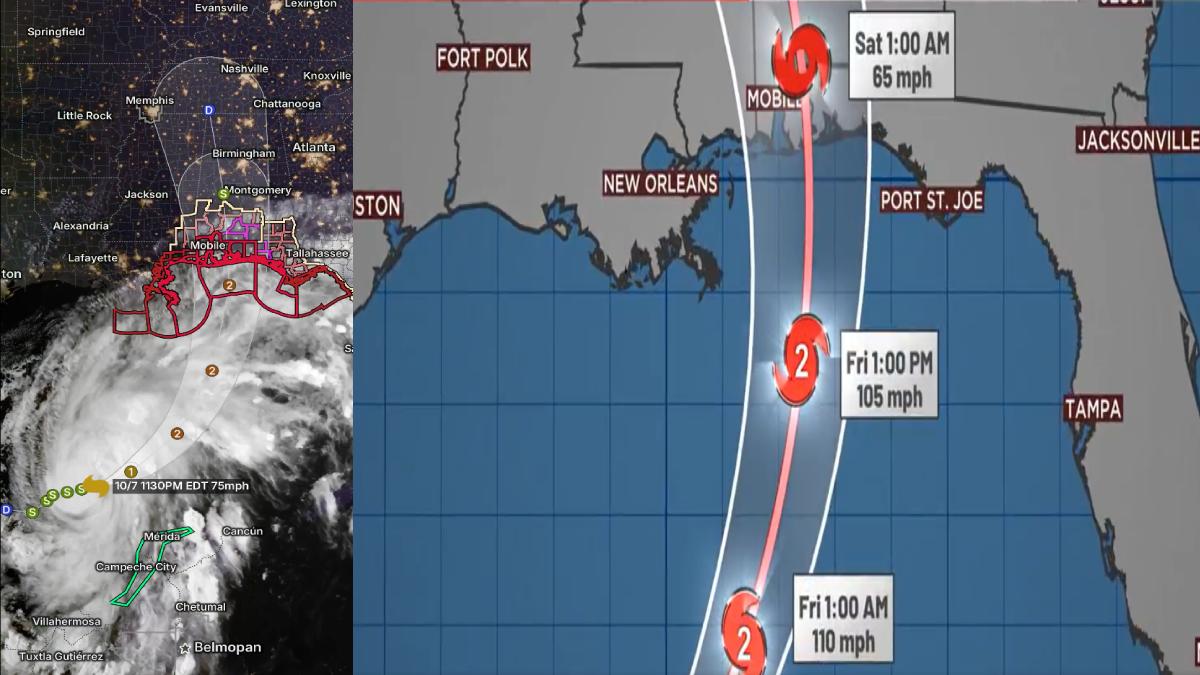
Heavy rainfall from the storm could cause more dangerous consequences, including flash flooding and flooded highways and waterlogged roads. Flooding can occur rapidly when heavy rain can be created when torrential rain can overwhelm drainage systems and rainwater can drown out drainage systems and then the saturated soils are saturated and rainfall can increase the runoff into nearby streams and waterways and runoff into nearby streams and watersheds.
Drivers are particularly vulnerable when driving over flooded roads when water depth and current strength are difficult to gauge. Such heavy rainfall could cause flash flooding and waterlogged roads can be more dangerous for them and even shallow water may swamp vehicles. A storm may even push cars off the road, and floodwater can push them off roads, but deep flooding may hide damaged road surfaces and other obstacles in the wrong direction; so we have to keep them back. Then we need to avoid unnecessary driving, and residents should not travel any further in floodwater.
Emergency preparations are crucial because the storm hits Florida’s coastal communities. Residents in areas under evacuation orders should follow local authorities’ directions and should move to shelters or safer places. Those still in secure areas should have emergency supplies, drinking water, non-perishable food, essential medicines, flashlights, batteries and charged mobile phones. People living near the coast should also be aware of evacuation notices because storm surge can happen early on before conditions become extreme. Families should be prepared for power outages and losses of transportation, communications and other essential services.
The hurricane also demonstrates the necessity to keep track of weather forecasts throughout the storm track. Tropical cyclones can change direction of travel and intensity, and potentially even well beyond the point where the centre meets the coast. Strong winds, heavy rainfall and coastal flooding can still affect people after landfall. Residents need to turn to the National Hurricane Centre, the National Weather Service and local emergency management agencies for news and not look for news on social media; they should look to the National Hurricane Centre as a source of information for help.
While the storm’s landfall marks a key stage in its movement, the immediate danger does not necessarily end once the centre moves inland. Communities could still experience damaging gusts, flooding and disruption to power and transport. Emergency services may also have to deal with some tough situations when responding to incidents and assessing damage. Residents should try to avoid downed power lines, stay away from flooded areas and wait until authorities certify that affected locations are safe before returning.
Hurricane Isaias’ landfall in Florida as a Category 2 storm with 105 mph winds is an extreme combination of powerful winds and storm surge that has already been reported in Florida and the hurricane is likely to be the worst. Residents should heed evacuation orders, stay informed of what to do if it’s happening (evacuation orders are issued, hurricane warning and evacuation order and warning signs are given, and one should stay in contact with the officials. And as the storm moves on, timely warnings will be required to prepare for the worst and minimize the damage to lives and property.






Comments
Leave a Comment