
The Indian commerce minister Piyush Goyal has thrown a spanner into the works of India’s technology industry after he said that H-1B visas could be a boon for the Indian economy for the tech sector to work in India. His remarks underline how global technology companies may shift their operations and hiring skills and investment strategies in the United States as immigration policies change.
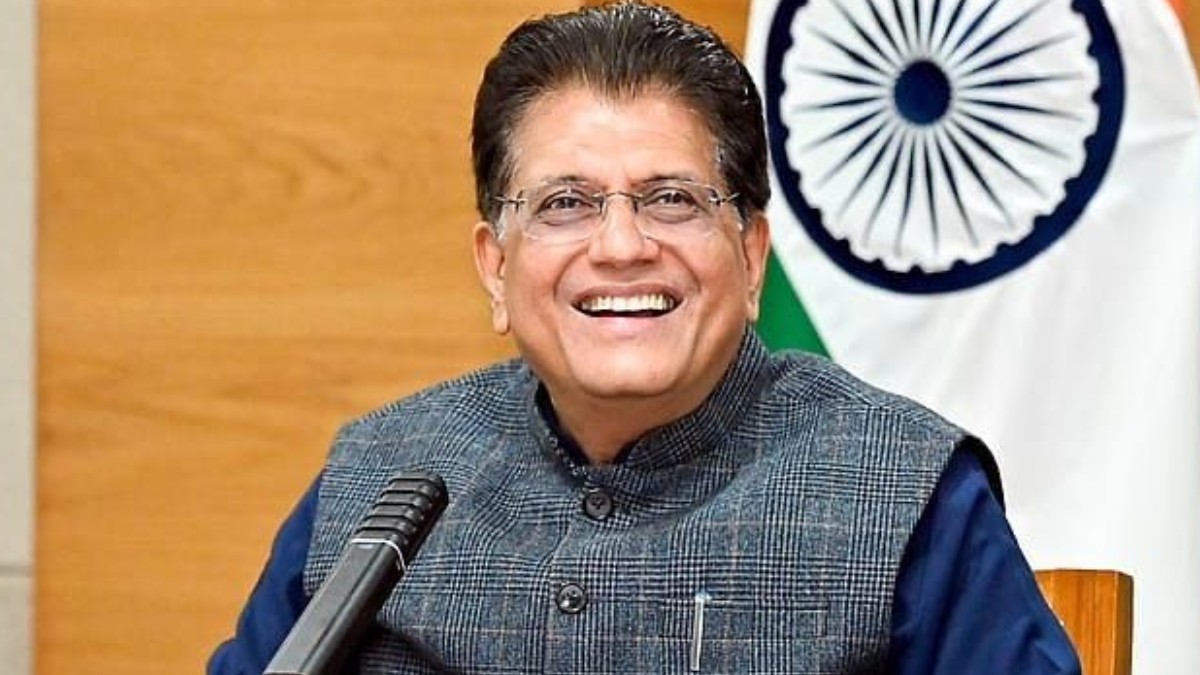
Goyal said the reduced number of H-1B visas could create opportunities for India as companies would be able to do most technology work locally rather than fly their employees to the United States. The H-1B visa programme provides for US employers to hire foreign professionals in specialised jobs like information technology, engineering, scientific research and other high-skilled fields. Indian professionals have consistently accounted for a large percentage of H-1B visa holders and changes to the programme are most important for India's technology sector.
Goyal makes the point that restrictions on foreign employment might lead multinationals to expand their research, development and technology work in India. Rather than relocating Indian staff to the US, companies could strengthen their teams in Indian technology hubs like Bengaluru, Hyderabad, Chennai, Pune and Gurugram. These cities already have large technology companies, worldwide capability centres, software development facilities and research facilities that serve international markets.
A shift towards India-based operations could create job opportunities for software engineers, data analysts, artificial intelligence experts, cybersecurity professionals, and other skilled workers. It would also be good news for the job demand of developers in emerging fields such as cloud computing, semiconductor design, financial technology and digital infrastructure. If multinational companies invest in India, higher technology exports and domestic spending and skills for specialised talent in India would be generated with the increase in companies investing in India and it will be beneficial to the business in the country if multinationals invest in India and so on.
India’s established information technology services industry would also benefit from such a development. Indian IT companies already provide software development, consulting, cloud services and digital transformation solutions to businesses around the world. Increasing technology work from India might help this country become a technology services centre in the world. It might also encourage local companies to invest in training, innovation and digital in the future.
But how companies should respond to US visa restrictions will be the key to how companies deal with US visa restrictions. Not every technology job currently in the United States can be transferred automatically to India. Some jobs will require people to be physically present at the site of customers, business operations or specialised facilities. Data security, regulatory requirements, time-zone differences, infrastructure and the availability of skilled workers should also be taken into consideration as companies consider where to locate their work from where and with whom.
The impact on Indian professionals working in the United States is mixed. Limited visa options may have an impact on some workers who might not be able to go overseas for work, have to work with lesser pay and family life. But higher employment opportunities in India could enable very good workers to create their international careers without moving abroad.
Another important factor is remittances and talent mobility. The Indian professionals working overseas contribute to household incomes and foreign exchange inflows through money sent back to India. If fewer high-skilled professionals move to the United States, some of these financial flows could be affected. But more high-skilled employment and investment in India could potentially offset those effects over time.
If India wishes to turn this potential shift into a sustainable economic advantage, then policymakers and businesses should be focusing on skills, research and development, infrastructure and business atmosphere. If India wants to attract higher value activities, which it can do, more advanced technology capabilities will be important.
🚨 “H-1B visas not being granted is good for the Indian economy, more technology work will be moving to India.” - Commerce Minister Piyush Goyal. https://t.co/hMyiuzEUTm
— Indian Tech & Infra (@IndianTechGuide) October 10, 2026
Goyal’s statement therefore brings to light a larger question: if tougher access to overseas employment encourages more companies to bring technology investment and high-skilled jobs to India? This will be determined by corporate decision-making, immigration policy changes and India’s ability to create a competitive environment for global technology operations.
H-1B visa restrictions may be difficult for individual professionals to face but may be the next big change for India's tech sector if companies expand their domestic operations, if they are not afraid to do so. How much investment in new investment, more lucrative jobs and growth in the Indian economy is now likely to take place in the near future will be determined by this change.






Comments
Leave a Comment