
Chinese vloggers reportedly clashed with local residents in parts of northern Dhaka after Bangladeshis objected to filming residential areas and private homes. Videos of the confrontation were posted on social media on 13 November 2026, drawing attention back to complaints about Chinese livestreamers operating in Uttara Sector 12 and the adjoining Tekpara neighbourhood.
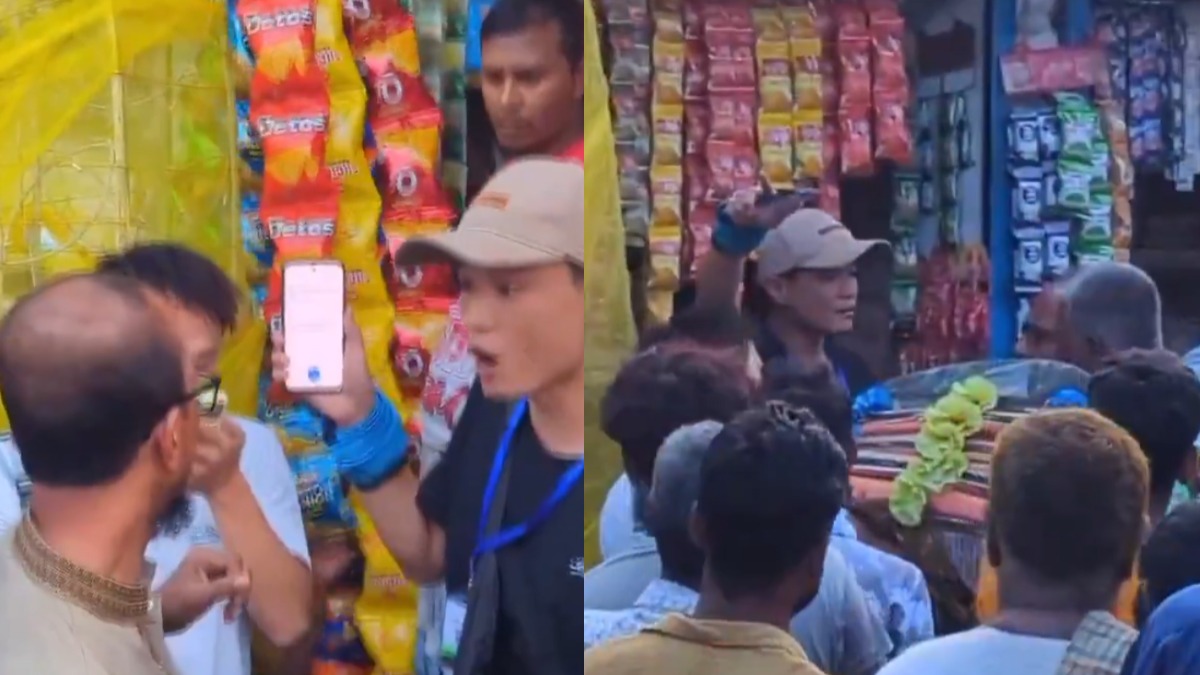
The confrontation is part of a wider controversy over unauthorised filming, privacy breaches and Bangladeshi locations being mislabelled as parts of New Delhi in India.
Locals Object to Filming in Residential Areas
Uttara and Tekpara residents complained that Chinese content creators were entering their residential spaces and recording people without clear permission.
Bangladesh media reported that some livestreamers walked into open homes, kitchens and near bathrooms while filming their surroundings. Women in the neighbourhood reportedly said they did not want to be filmed inside their own homes.
They were also seen filming narrow streets, roadside markets, residential buildings and everyday life. Residents said they weren’t always aware where footage was being uploaded or what descriptions were being given to online audiences.
The videos that were circulating on November 13 allegedly showed Chinese nationals arguing with Bangladeshis after locals objected to the filming.
Chinese Livestreaming Activity Predates November
The controversy was not new with the latest confrontation. The Business Standard reported on it in May 2026 saying residents said Chinese people had been filming there for “years”.
Kaler Kantho also noted an increase in Chinese content creators in July.
Residents estimated that more than 150 people were involved at peak times. This is not an independently counted number though; it’s just a local estimate.
Prothom Alo Investigation Reveals Alleged New Delhi Claims
Prothom Alo published a major investigation on 6 November 2026 which brought the issue into wider public debate.
The newspaper’s reporters went to the neighbourhoods on 27 October and 3 November and saw livestreaming going on throughout the day. Some content creators reportedly used two mobile phones (one for recording the livestream and one for notes or scripts).
The investigation also mentioned instances where Bangladeshi neighbourhoods were allegedly advertised as locations in New Delhi.
A streamer named Mianmian called the place New Delhi during a livestream on November 1 and criticized housing and living conditions there. Wang Wei also said something disparaging about tea drunk by residents.
The newspaper said translations of the Chinese-language remarks were checked with people who spoke Chinese.
⚡When Chinese bloggers were told to stop filming, they began arguing with the local Bangladeshis. They had been entering homes to film women. When the locals tried to stop them, the Chinese individuals became confrontational. https://t.co/3VZAcpUXno
— Warfront (@Warfront_2630) November 13, 2026
Livestreamers Become Less Visible After Investigation
After the investigation was published, Chinese livestreamers have reportedly disappeared from view since Nov. 7.
Residents and reporters said they had not seen the groups in Sector 12, Tekpara and nearby areas during checks between November 11 and 13.
Bangladeshi police and intelligence agencies reportedly stepped up checks on passports, visas and activities of foreigners in the area. Some were said to be travelling on tourist visas.
India’s Ministry of External Affairs also said the reported misrepresentation of locations and negative commentary was unfortunate and asked for action.
Privacy Concerns Remain at the Centre
The confrontation has also raised awareness of the right of residents to privacy and control over recordings made inside their homes.
It isn’t clear how many people were involved or how far the livestreams reached but the complaints show that content creators need to get consent before recording people in private places.
The episode also raises questions about responsible livestreaming and how online platforms are used to portray communities to international audiences.



Comments