
The Ebola outbreak in the Democratic Republic of Congo (DRC) has reached worrying proportions: more than 12,000 infections have now been reported as violence and insecurity force some health workers to flee affected areas.
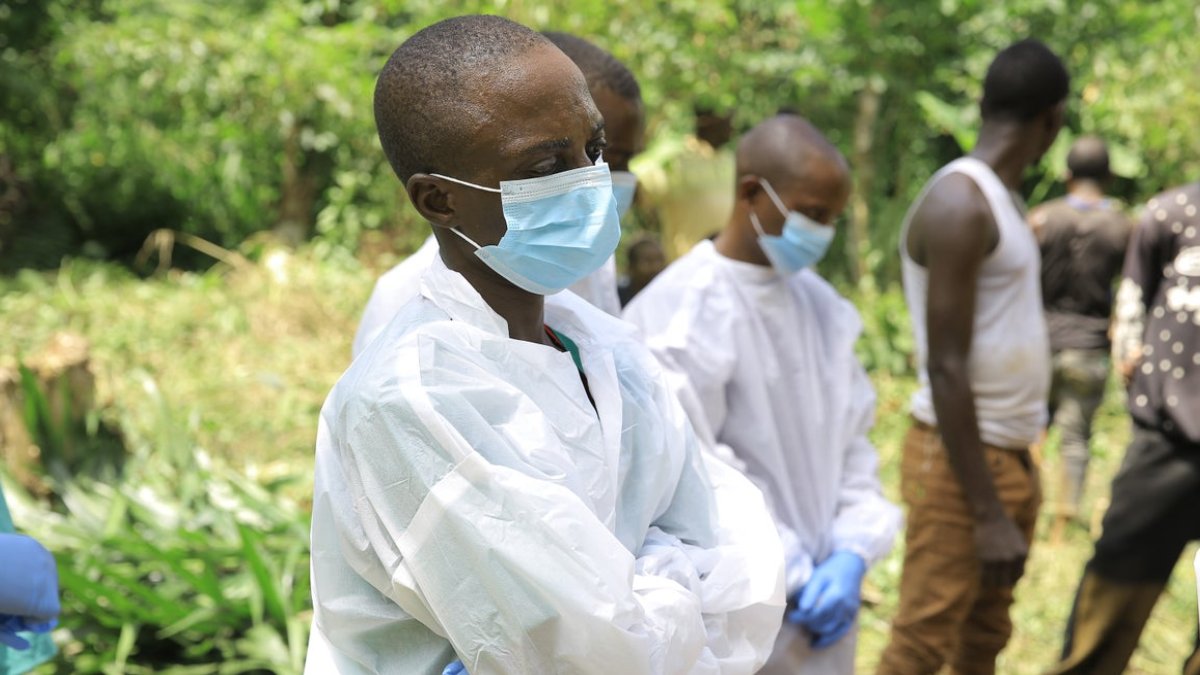
The security situation is worsening seriously for teams trying to contain the deadly disease, track down infected people and treat patients armed violence on top of a rapidly spreading health emergency means there’s an increased risk of transmission in communities where access to healthcare facilities and emergency services is limited already.
The outbreak has put huge pressure on local health authorities and international humanitarian organisations. Healthcare workers cannot reach affected communities because of security threats, road access problems and the risk of being caught in clashes.
Responders have reportedly been forced to leave their operational locations, disrupting disease surveillance, identification of patients, contact tracing and community awareness programmes (activities which are key during an Ebola outbreak as early identification and isolation of infected people helps prevent further transmission).
Ebola is a serious viral disease that can kill people. It spreads through direct contact with the blood or other bodily fluids of an infected person who has symptoms (fever, muscle pain etc) as well as contaminated objects and materials. People caring for infected patients, family members and healthcare workers are especially vulnerable if infection prevention measures are not followed properly.
Symptoms include fever, fatigue, muscle pain headache sore throat vomiting diarrhoea abdominal pain unexplained bleeding In some cases the disease progresses rapidly so early medical attention is very important.
The Congolese Ministry of Health said on Thursday, November 26, that the outbreak has 12,021 confirmed infections and 5,904 deaths (so nearly half of the confirmed patients have died). The current epidemic is therefore the deadliest of the 17 Ebola outbreaks recorded in the Democratic Republic of the Congo.
It is caused by a rare Bundibugyo species of Ebola virus and was declared in May 2026 in Ituri province in northeastern Congo, where it has spread to eight of the country’s 26 provinces since then. Health authorities are particularly worried because the number of infections keeps rising despite containment efforts.
One of the biggest challenges for health authorities is the renewed fighting between government forces and the Convention for the Popular Revolution (CRP) armed rebel group in eastern Congo. Clashes resumed near Iga-Barrière, a mining town about 25 kilometres north of Bunia, the capital of Ituri province. Fighting has led to fresh displacement, with residents fleeing for safer areas. Bunia is also an operational centre for Ebola response, so the security situation is particularly worrying for healthcare organisations working in the region.
Dr Catherine Smallwood, Ebola incident manager at the World Health Organization said armed clashes are keeping response teams from reaching some communities. Violence has disrupted monitoring of people exposed to the virus, reduced staffing levels at treatment centres and delayed essential medical activities.
Healthcare workers are finding it harder and harder to do contact tracing, find new infections and make sure suspected patients get medical attention on time, allowing the virus to spread further through communities where health surveillance is already limited.
The security crisis has also forced several healthcare workers and humanitarian workers out of dangerous places. About a dozen people (two WHO personnel and Congolese health officials) were evacuated to Bunia after three days trapped inside a hospital in Akwe under intense crossfire; the WHO team from Mongbwalu was temporarily moved to another location because road access became difficult due to fighting; another team reportedly came under fire and had to seek shelter at a United Nations peacekeeping base. These are serious risks for healthcare workers trying to respond to the outbreak.
Another big problem is that it’s hard to identify people who may have been exposed to the virus. Data presented by Africa Centres for Disease Control and Prevention (Africa CDC) earlier in November showed only around 15 per cent of new infections were linked to contacts known to health authorities, so many transmission chains are still unidentified, making it harder for medical teams to contain the outbreak. When infected people aren’t identified quickly, they may unknowingly expose family members, caregivers and other people in their communities too.
The current outbreak is particularly serious because the Bundibugyo species of Ebola has no approved vaccine or specific approved treatment, so prevention, early detection, isolation and supportive medical care are very important. The virus spreads mainly by contact with blood or bodily fluids of infected people (including dead people) as well as contaminated materials.
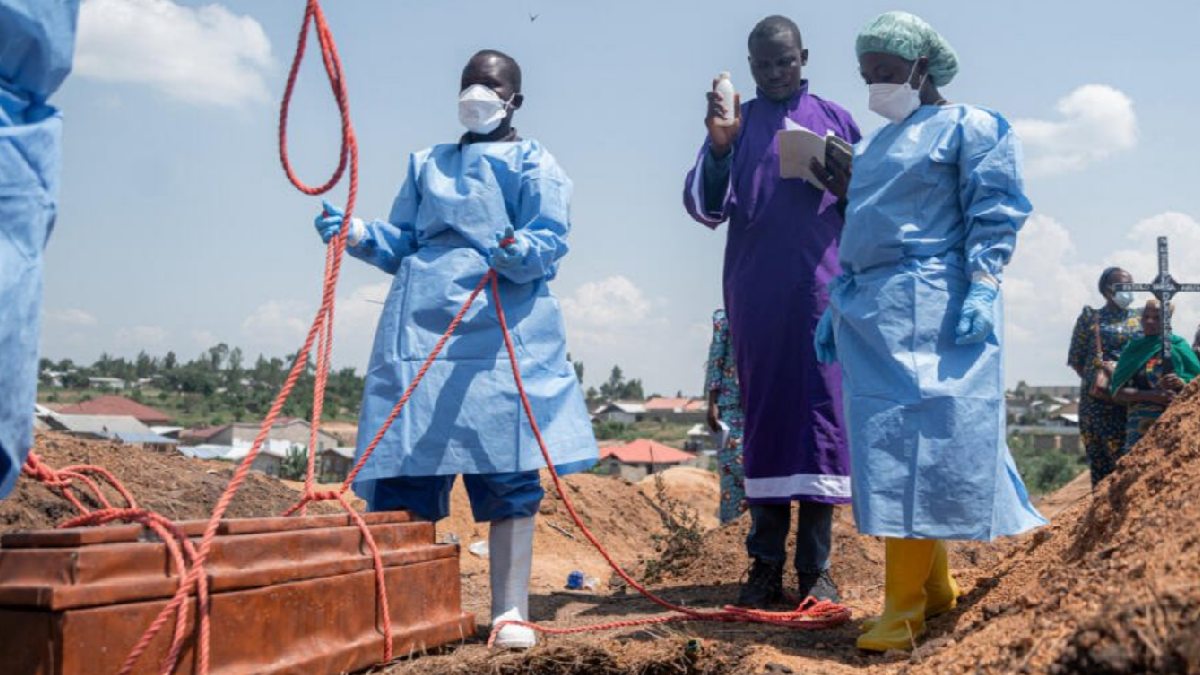
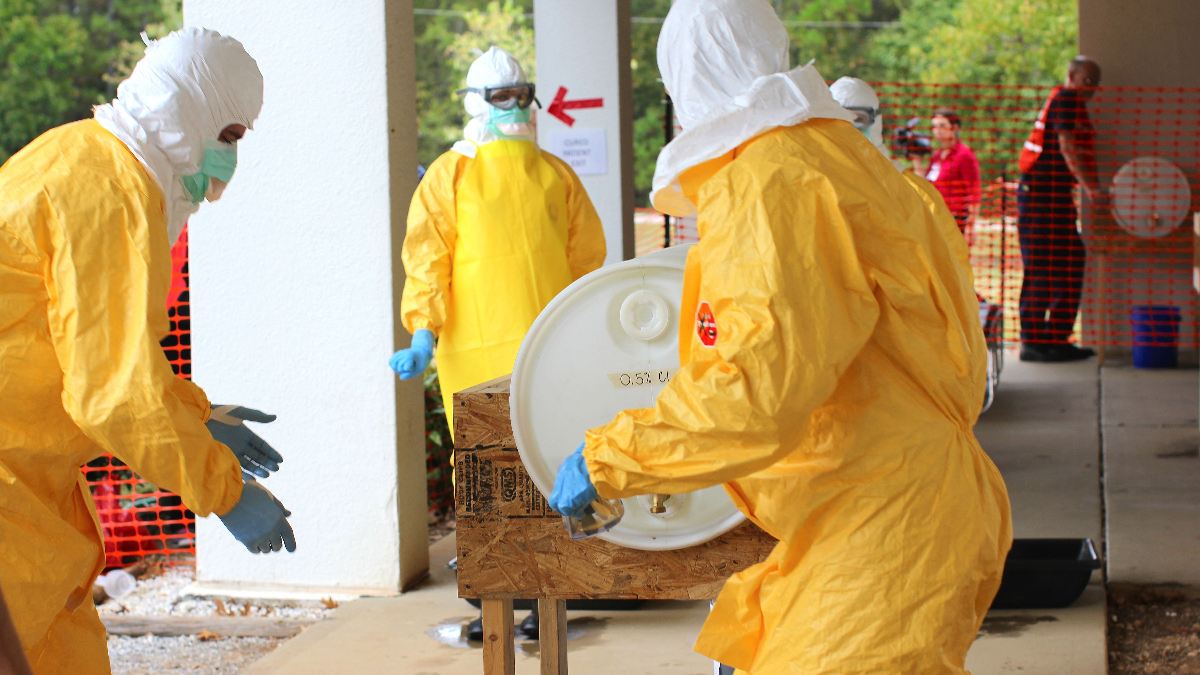
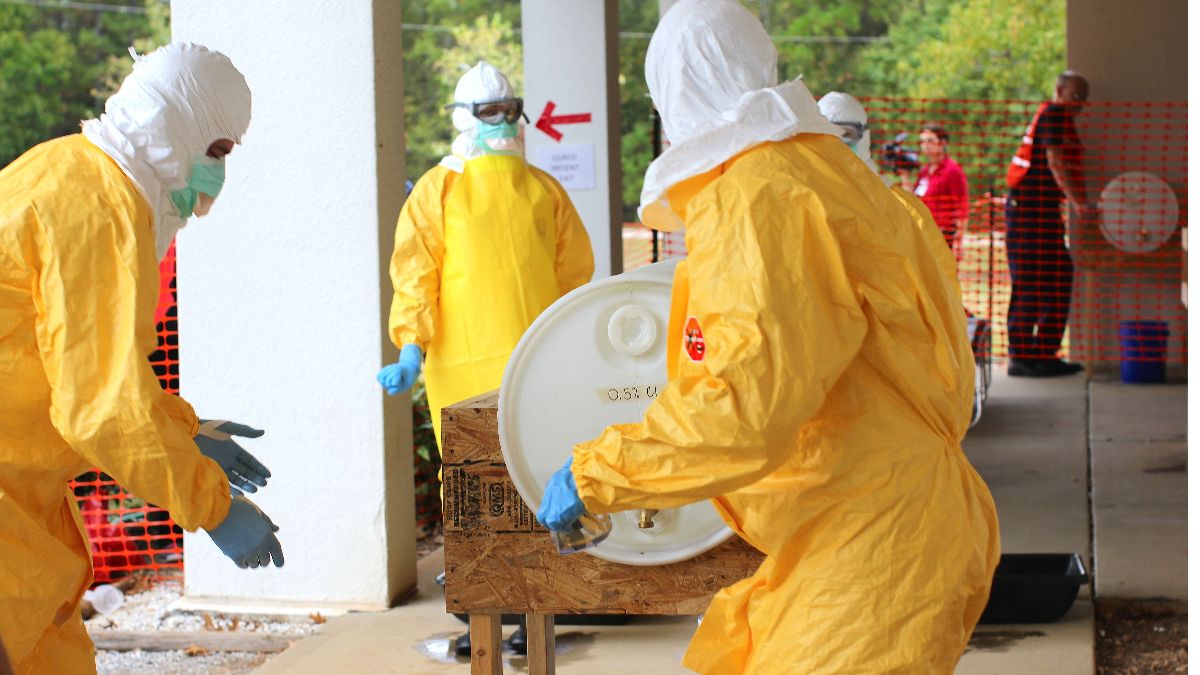
Healthcare workers therefore need protective equipment and strict infection prevention procedures when treating suspected and confirmed patients. Safe burial practices are equally important because contact with bodies of people who have died from Ebola can expose others to infection.
The outbreak has also added to the burden on communities that have been hit by years of conflict, displacement and weak healthcare infrastructure. Poor road networks make it difficult to get patients, medical supplies and protective gear to remote areas. Armed clashes have displaced thousands of people; health teams are finding it harder to keep in touch with people who might have been exposed.
In neighbouring North Kivu, attacks have reportedly displaced more than 20,000 people and left healthcare workers losing track of some Ebola contacts. These problems are making it harder still to establish disease surveillance across affected regions.
The latest numbers have prompted fears that Congo’s outbreak could eventually surpass the 11,000 deaths in the West African Ebola epidemic of 2014–2016. International health agencies and humanitarian organisations are still helping local authorities, but deteriorating security is a major obstacle. Immediate priorities are protection for health workers; access to affected communities; contact tracing; and patients getting appropriate medical care.
With 12,000 confirmed infections and approaching 6,000 deaths the Ebola outbreak in Democratic Republic of Congo is an increasingly serious international health emergency. Armed conflict, limited medical resources, misinformation and lack of tracking of infections are making containment more difficult (and less possible). Unless healthcare teams can get to affected communities safely and resume essential response activities, transmission will continue at high levels.




Comments