
At least 109 migrants, including 15 children, have died after a boat carrying hundreds of people capsized off the Djibouti coast as they were travelling to Yemen in one of the deadliest episodes along a dangerous migration route connecting the Horn of Africa to the Arabian Peninsula.
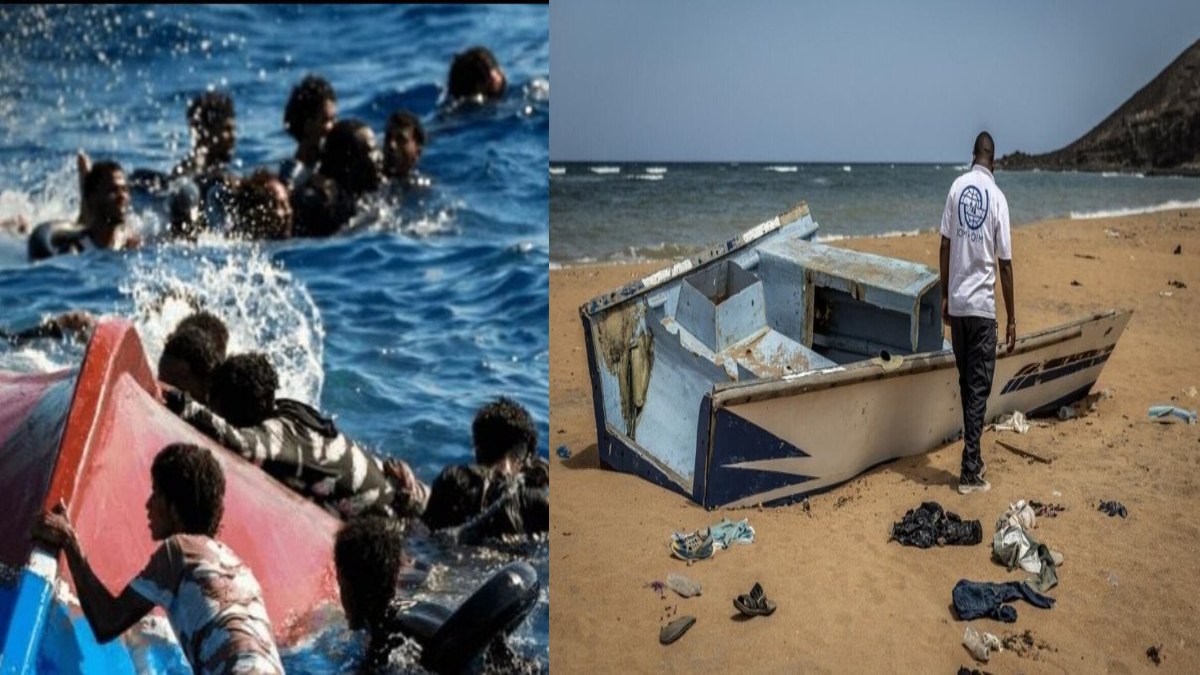
More than 80 people were saved while at least 116 more were missing, according to the International Organisation for Migration (IOM). The boat crashed near Guhere, north of Obock port city, in the early hours of the night of October 8-9, 2026, survivors said.
The vessel was carrying 305 people when it overturned, according to IOM. Some reports based on survivor accounts have given an even higher estimated number of passengers. 52 men, 42 women, and 15 children were found, comprising nine girls and six boys. More than 80 survivors, all of whom are Ethiopian citizens, were recovered from the disaster.
But the hunt for the missing passengers is a concern for many families, waiting for news of relatives they had been with on board the ship. The reasons that caused the boat to overturn have not been fully determined in the reports available so far.
Rescue Operations Underway Off Djibouti
Djiboutian authorities and IOM teams are responding to the emergency, providing assistance to survivors and continuing search-and-rescue efforts. The International Migration Agency said that its teams were working with local authorities to provide support to survivors of the disaster. Survivors need medical care, food, shelter, and other basic services after the trauma.
Alexandre Coissac, the mission chief of IOM in Djibouti, described the incident as an awful loss of life and expressed concern for survivors and the families who lost someone or are waiting for news of the missing. It has brought to light again how much rescue and humanitarian assistance is needed from the disaster and for the migrants travelling on this route.
Why do migrants travel from Djibouti to Yemen?
Migrants from countries in the Horn of Africa travel through the Bab el-Mandeb Strait. Most of them go to Gulf countries in the hope of finding jobs, more money, and a better life. Poverty, insecurity, and climate change can all contribute to migration, even if it’s a serious risk. Because boats are full and transport is so scarce, it is particularly dangerous.
Yemen remains a destination and transit point for some migrants despite its long-standing conflict and deteriorating humanitarian conditions. The country is across the sea from Djibouti and is part of a wider migration corridor connecting East Africa to the Arabian Peninsula. Migrants who arrive in Yemen may try to go on to other Gulf states, which means they may be exposed to more risk along the way. The IOM has repeatedly warned of the dangers associated with this route. More than 900 migrants were dead or missing along the corridor in 2025 alone, the agency said.
At least 109 migrants were killed, including 15 children, and some 116 were missing after a boat sank off the shores of Djibouti🇩🇯 overnight on October 8-9, a UN agency reported on Sunday. Survivors said the vessel -- which was carrying 350 people from Djibouti to Yemen -- capsized north of the Djibouti town of Obock, according to a statement from the International Organization for Migration (IOM), whose teams are on the ground alongside local authorities to provide emergency aid. @AFP
— Kenya News Centre🇰🇪 (@KenyaNewsCentre) October 11, 2026
Yemen conflict adds to the Humanitarian Crisis
Houthi forces fighting against troops loyal to the internationally recognised government, which is backed by Saudi Arabia, have also been in the news this week. The recent fighting has contributed to further displacement and humanitarian needs across the country.
The United Nations’ International Organisation for Migration reported on October 7 that more than 200,000 people have already been displaced inside Yemen since fighting intensified in early September. The new wave of violence has also forced thousands of Yemenis to flee across the sea to Djibouti. That’s added more pressure on humanitarian agencies and local authorities in the humanitarian and migration sectors to assist displaced people and migrants.
Djibouti has become a transit point for people moving between the Horn of Africa and the Arabian Peninsula and a hotspot for Yemenis fleeing conflict. The overlapping movements of migrants, refugees, and displaced families highlight the interlinked humanitarian challenges in the region. People who come to the region after dangerous sea crossings may need immediate medical care, temporary housing, food, and protection.
Growing Concerns Over Migrant Safety
A total of 109 people are dead, including 15 children, and the safety of migration routes in the Red Sea and the Gulf of Aden is further worsened by the number of missing passengers. Such a tragedy is especially painful for families and communities waiting to know where their relatives are. Search and rescue efforts and assistance for survivors are the key factors when attempting to make sense of the incident.
Humanitarian organisations still stress the risks faced by those who embark on risky sea journeys because of poverty, insecurity, and limited opportunities at home. The recent tragedy highlights the need for safer migration routes and stronger protection for vulnerable travellers. As rescue teams carry on working off Djibouti, the incident is another stark reminder of the human costs of migration along one of the most hazardous maritime corridors in the region.







Comments