
India on Tuesday, October 13, 2026, firmly rejected China’s objections to the naming of 28 places and geographical features in Ladakh, reiterating that the Union Territory is an integral part of the country. The Ministry of External Affairs (MEA) said Beijing’s objections would not change India’s established position on Ladakh.
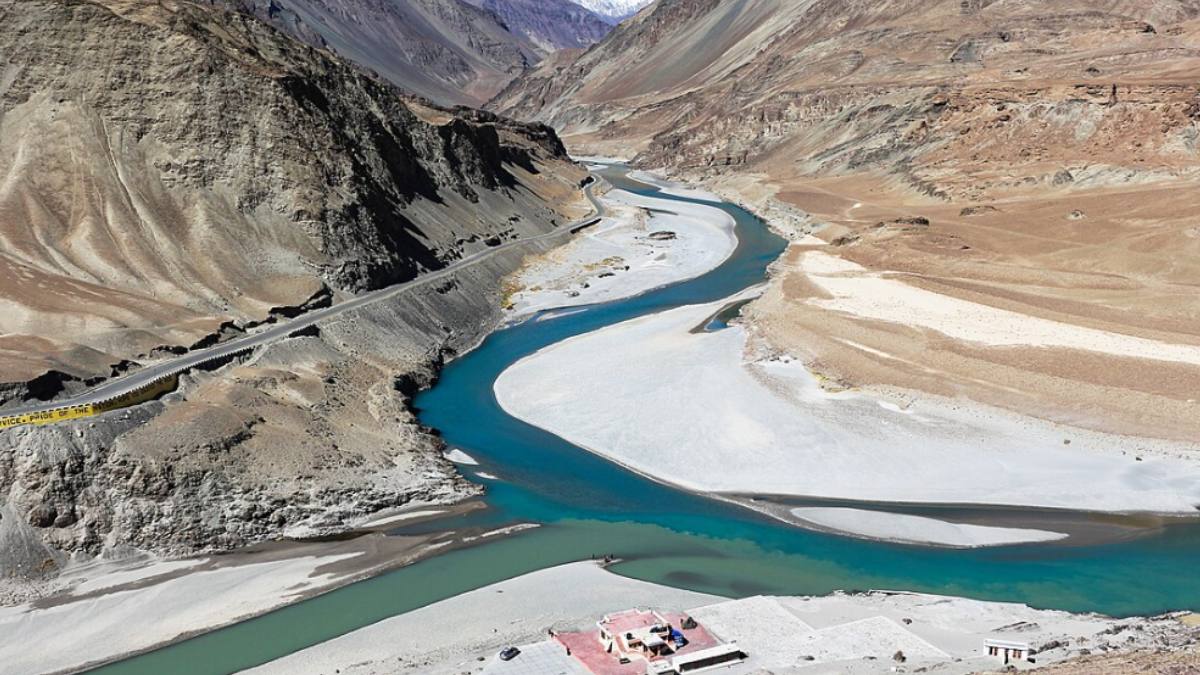
The statement came after China criticized India for formally identifying 28 locations and geographical features in the official Survey of India map. But the clash has reignited the territorial dispute between the two neighbouring countries.
MEA responds to China’s objections.
In light of China’s objections, MEA spokesperson Randhir Jaiswal said that India’s position on Ladakh continued to be that the Union Territory was an integral part of India and no denial from China could change that fact.

India also explained that standard names to places and geographical features were intended to help in their accurate identification and to raise public awareness.
The government's position is that the naming exercise is an administrative and cartographic measure. It does not change India's territorial claims, but formally identifies locations on the country’s official map.
Why did India identify 28 places in Ladakh?
On October 2, 2026, the Centre announced that 28 places and geographical features in Ladakh had been identified using standard place and feature names on the official Survey of India map.

This exercise was carried out with the assistance of the Ladakh Union Territory administration. This was done so as to assist in accurately identifying these locations and to heighten public awareness of the strategically important region, the government said.
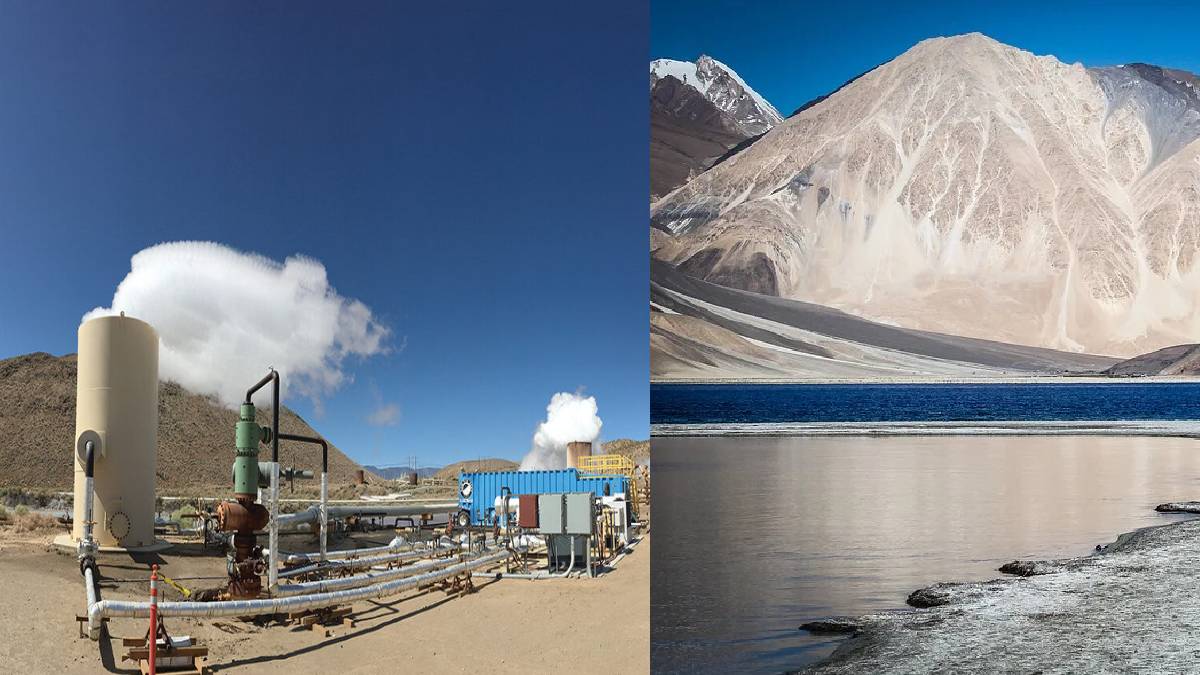
The list includes Gogra and Hot Spring, places where border disputes between India and China escalated in 2020. Other features include mountain peaks, glaciers, passes, valleys and rivers.
Among the names were Kanishka Peak, Zorawar Peak, Shachmirik Pass, Parpik Glacier, Skamri Glacier and Yangpa River. The list also contains names associated with religious and historical traditions like Guru Rinpoche and Rinchen Zangpo.
The locations are in a sensitive border region where India and China have overlapping territorial claims.
China Rejects India’s Move
China opposed India’s move, claiming that it did not recognise the creation of the Union Territory of Ladakh by India. Chinese Foreign Ministry spokesperson Mao Ning called the move illegal and invalid, arguing that the relevant areas in the western part of the China-India boundary belonged to China.
India rejected that position and reiterated its sovereignty claim over Ladakh.
The dispute is part of a larger dispute between the countries over border and naming places. China has already announced Chinese names for locations in Arunachal Pradesh, another Indian territory claimed by Beijing. India has repeatedly rejected such an intrusion, saying, “Changing names can’t change the territory that is there.”
India-China border dispute is still very sensitive.
India-China relations have been affected by the military tension along the Line of Actual Control (LAC), particularly after the 2020 clashes in eastern Ladakh.
Both countries have been in diplomatic and military discussions to resolve border issues and maintain peace along the border. Although they have disengaged at some locations, there is no resolution of the territorial conflict for many.
As a result, the naming of geographical features is politically significant even when the stated goal is accurate mapping and public awareness.
What happens next?
India’s latest affirmation is that Ladakh is an integral part of the country and that place names on official maps will not change that.
China’s objections show that the two sides still have trouble with sovereignty in parts of the border. They will need to be diplomatic and have dialogue with border officials.
So far, the Indian government has made clear that it will not accept China’s objections as a basis for changing its official position on Ladakh.






Comments