
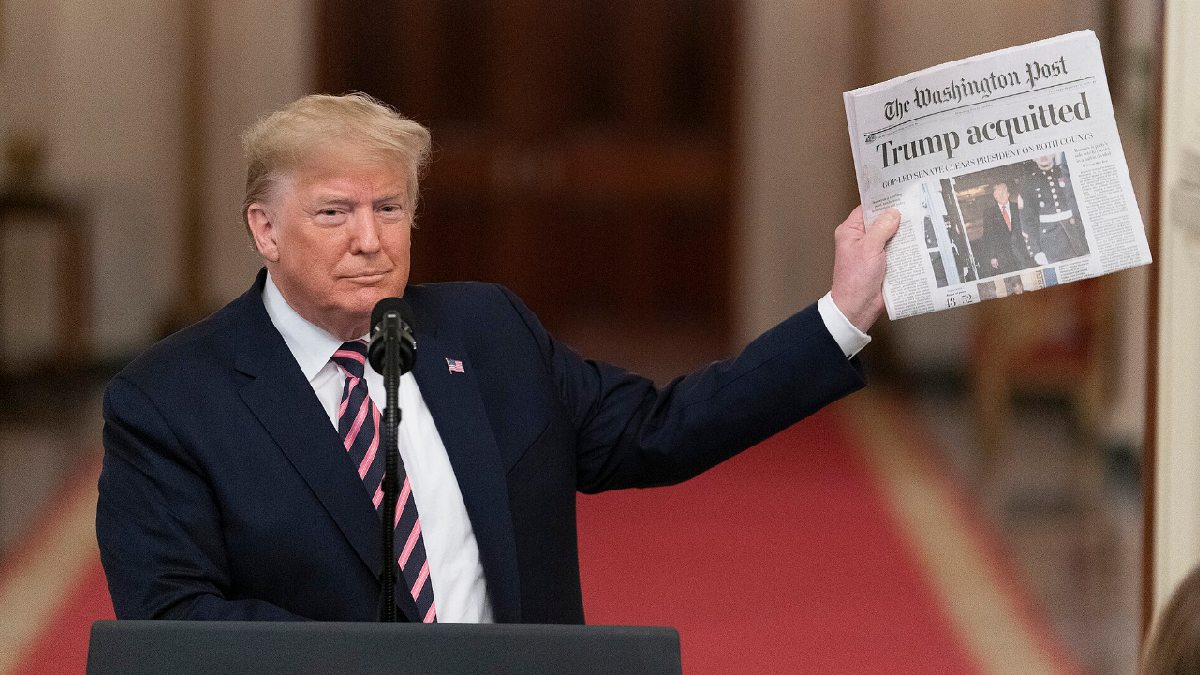
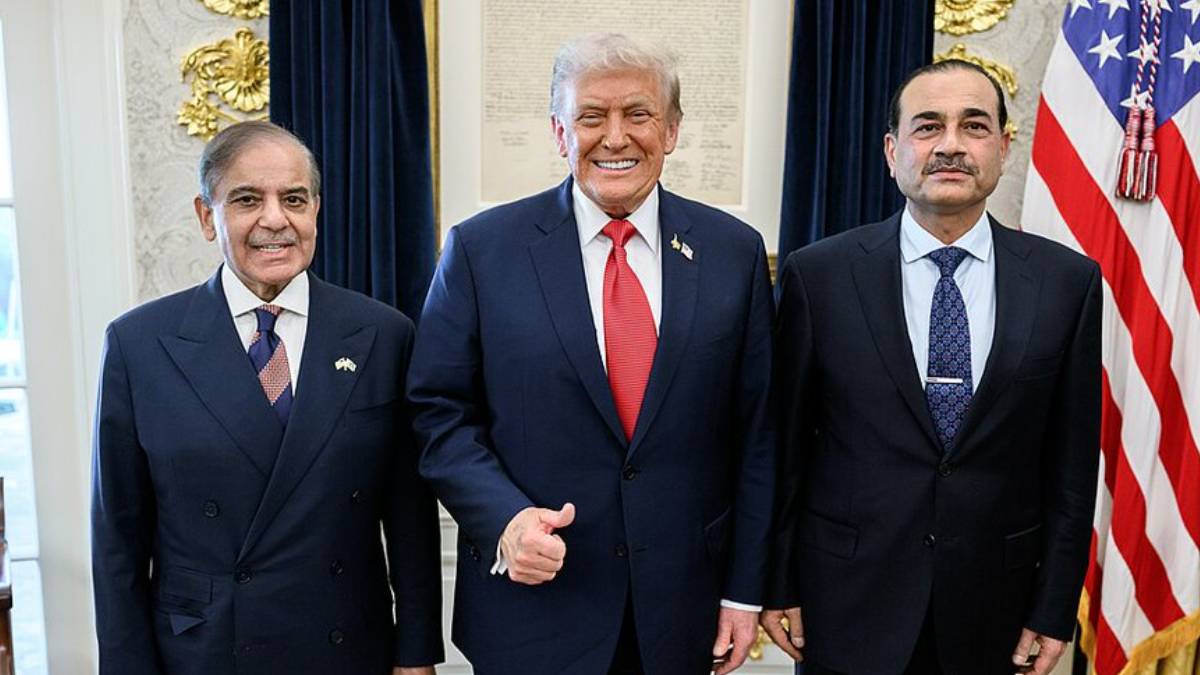
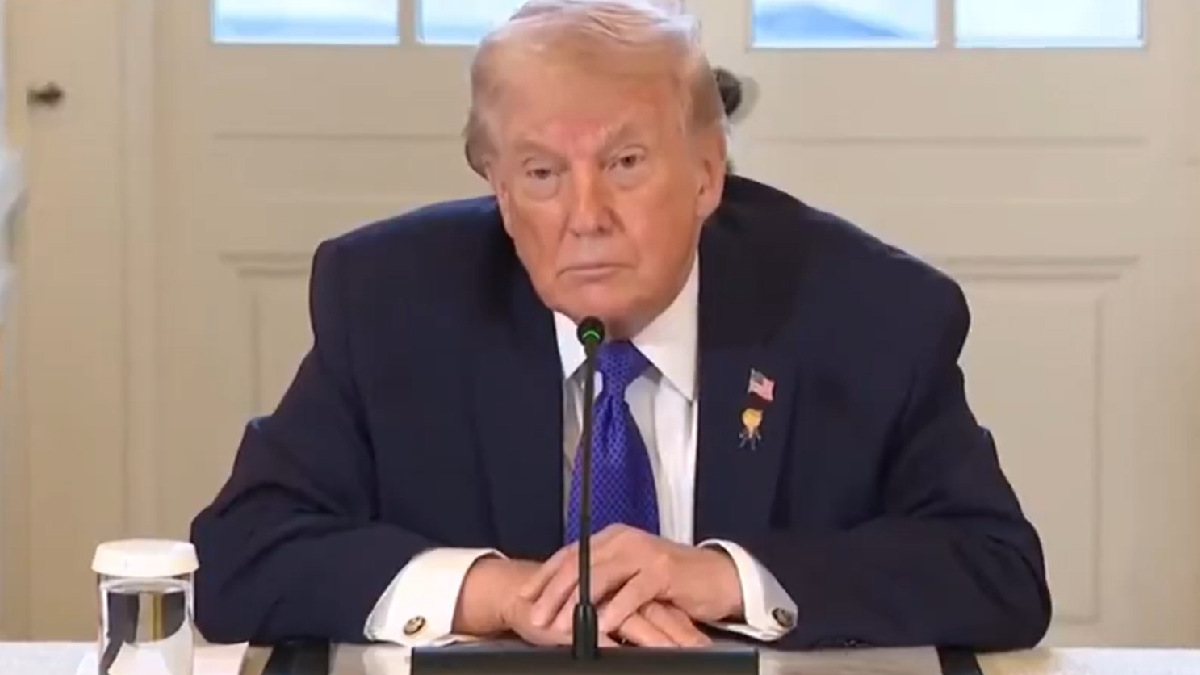
Donald Trump has suggested that India and the US are heading towards a breakthrough in the long-running trade talks with both countries - and that India and the US are on the cusp of a potential trade deal. Trump said in an Oval Office speech in which he said the talks are overdue to have been concluded and that he believes both sides can do so. With both countries now close to a deal and close to a bilateral trade agreement, Trump said in Washington, he told reporters that New Delhi and Washington might be ready to make progress in the talks.
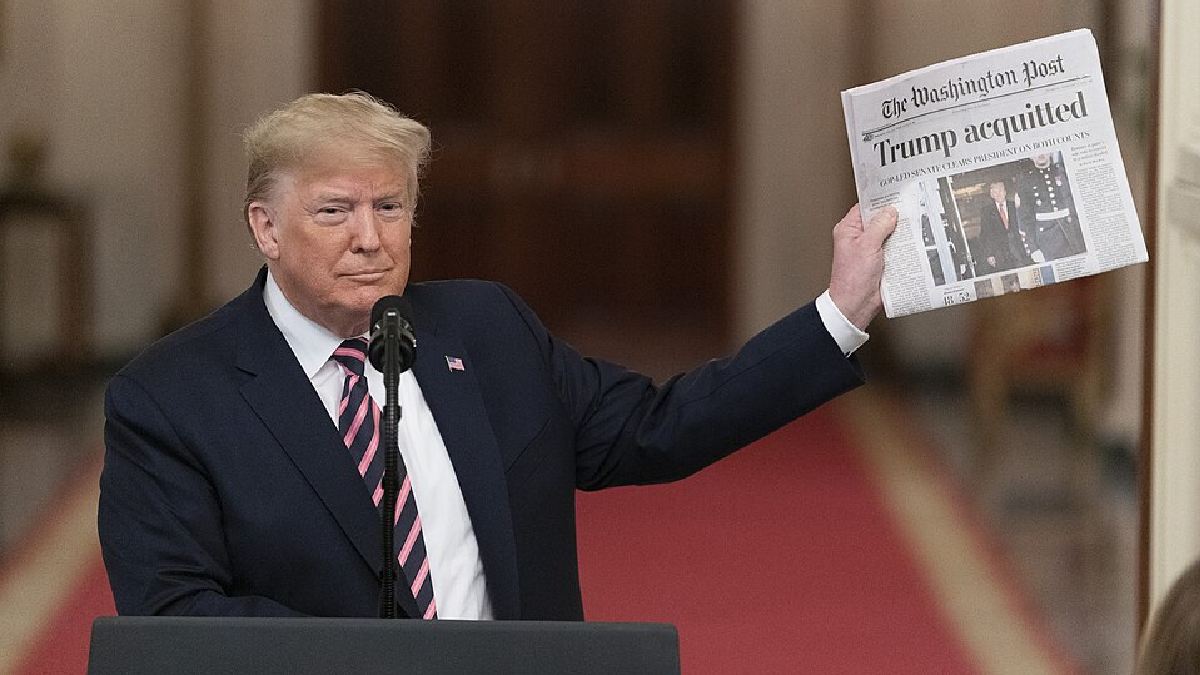
Trump said India wanted an agreement and both sides were moving towards a deal and both countries were moving toward an agreement, he said in response to a question about the negotiations. He added that the discussions are getting more and more “pretty close to a conclusion” and progress had been made between India and the US, he said.
The US president also said the proposed agreement would be different from previous trade agreements and would be a “much different kind of deal” than those reached in the past. But he did not disclose details of the proposed structure, the concessions to be made or the sectors that might be targeted for particular attention in the deal.

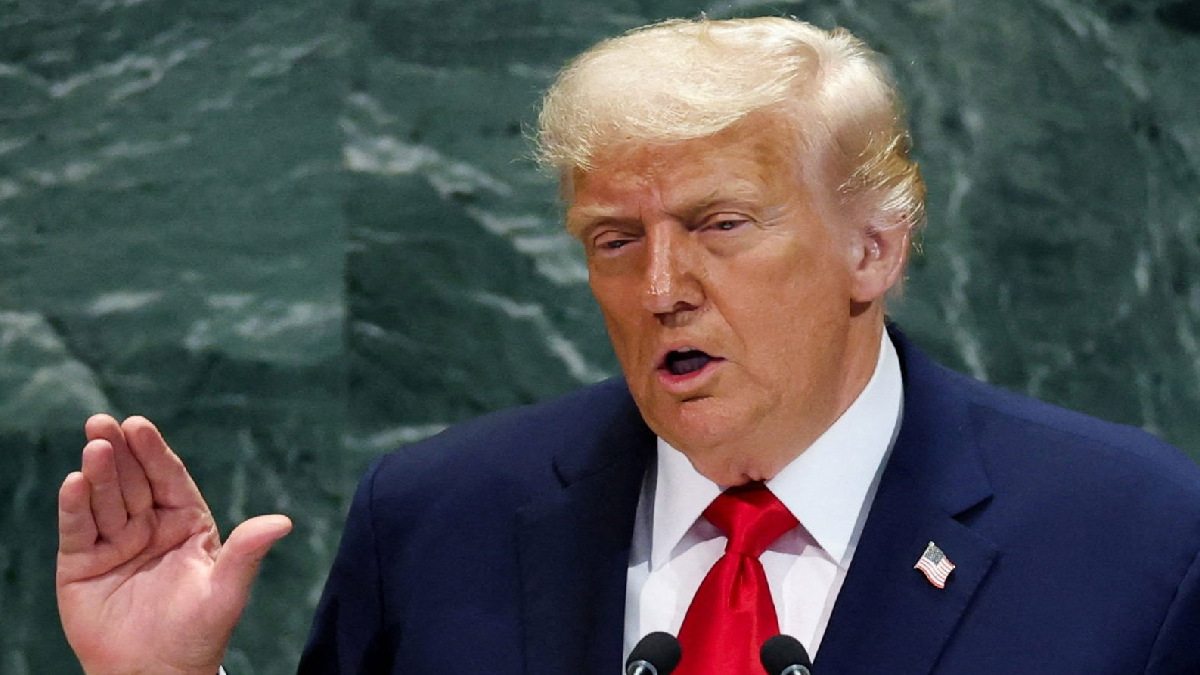
Trump’s comments are important because India and the US have been working toward a longer-term trade deal with the US as talks on tariffs, market access and bilateral economic cooperation go on. A successful deal would make business for firms operating in these countries more comfortable and could even strengthen commercial ties between the world’s two largest democracies in terms of volume and economic influence.
Marco Rubio Expresses Confidence During India Visit
Trump's remarks also came as US Secretary of State Marco Rubio visited India for talks with External Affairs Minister S Jaishankar. The talks were about building bilateral relations and trade is part of a bigger picture on energy, technology, defence and strategic cooperation.
On Tuesday in Mumbai, Rubio voiced optimism about the status of the trade negotiations. Although the U.S. State Department is not directly responsible for negotiating trade deals, Rubio said his department was monitoring developments surrounding an agreement.
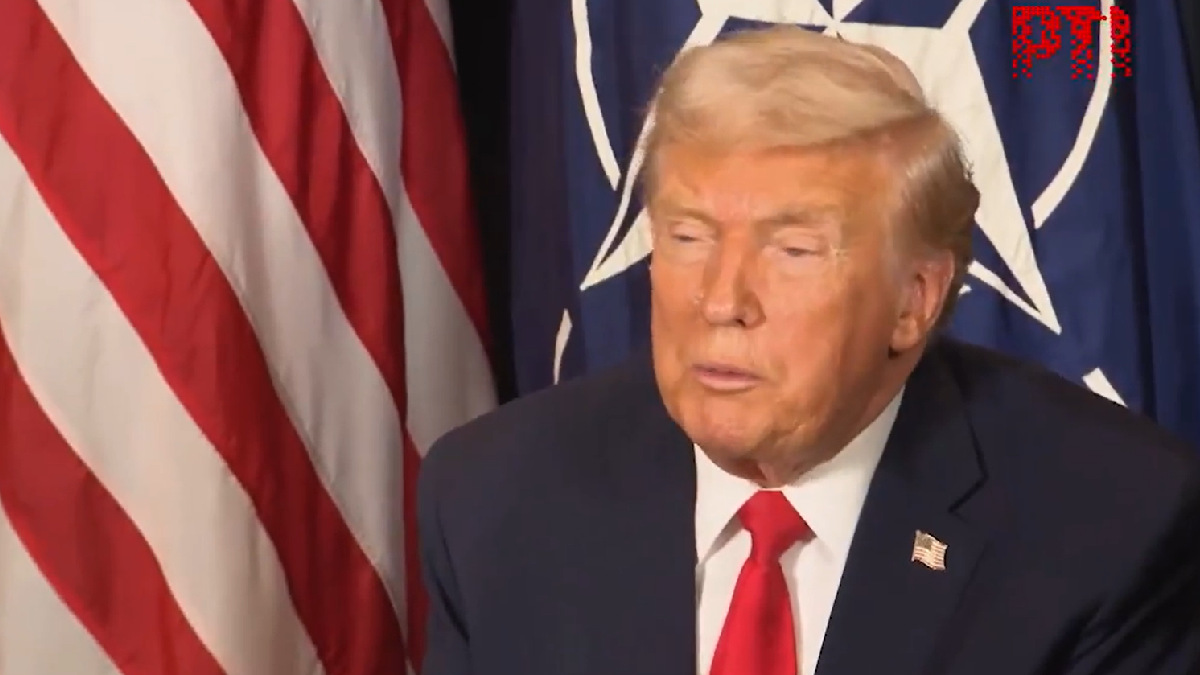
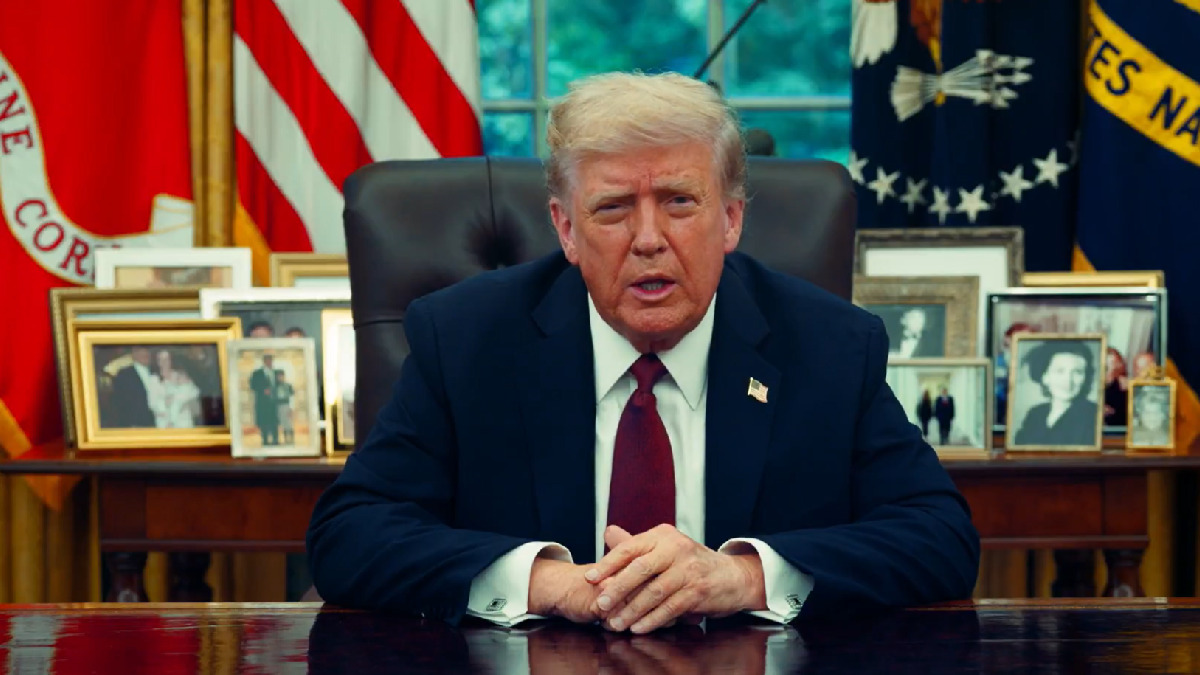
The two countries were very close to reaching an agreement, he said, and only a few issues remained unresolved. Rubio said negotiations had reached an advanced stage, and the outstanding matters will be resolved soon.
Trump’s words generally mirrored Trump’s signal that the agreement was close to being complete. The statements from both officials have raised hopes that the negotiations could indeed move forward in the coming weeks, although neither official said they had reached any final agreement or had an agreement in place or had a date for signing.
Rubio’s visit also shows just how important Washington is to its relationship with Delhi. Beyond trade, both countries are interested in bolstering cooperation in strategic industries and network-building in supply chains and collaboration in emerging technologies.
India-US Trade Deal: How the Negotiations Reached This Stage
India and the United States have been working on a bilateral trade agreement for more than a year with the goal to promote both sides’ trade and to facilitate both countries’ market access.
In February the two governments agreed on a framework for the first phase of the proposed agreement. So the framework serves as the starting point for further negotiations and helps the countries to reduce trade barriers and to identify opportunities for greater commercial engagement.
But discussions have continued as US tariff policy shifts and differences over various trade-related issues continue to exist. There has also been talk of market access, tariffs and India's purchases of Russian oil and India's acquisition of Russian oil within the context of bilateral talks has made negotiations difficult.
The two countries have been trying to reconcile their economic interests and come to an agreement. For India the agreement can help in exports and access to the American market. For the US, negotiations with India have been part of a larger strategy to change trade relations and create favourable conditions for American businesses.
Last month, Commerce Minister Piyush Goyal met U.S. Trade Representative Jamieson Greer in Milwaukee and Washington to discuss details of the proposed agreement. All of these talks were to address the outstanding issues and keep momentum in the negotiations.
What Could the Trade Agreement Mean for India and the US?
A bilateral trade agreement would affect businesses, exporters, manufacturers and investors in both countries. Increased market access and clarity of trade rules might help companies plan investments, expand operations and new commercial opportunities.
The final terms could help Indian exporters in the US market. Depending on the provisions that are agreed to, sectors with heavy export exposure could benefit from a clear trade policy and lower barriers. American companies could also benefit from better access to India’s large consumer market and opportunities in technology, energy and industrial cooperation.
But the benefits will depend on the final terms of the agreement. Until governments give us details, it is not clear which products or industries could receive tariff concessions and how market access provisions would be implemented or whether the deal would resolve all the major concerns raised during negotiations.
Businesses will therefore be waiting for the official announcement and publication of the terms of the agreement before they can begin to estimate its economic impact.
India-US Trade Deal: Is an Announcement Imminent?
Trump’s recent statements and Rubio’s assessment suggest that both governments see progress in the negotiations. The fact that just a few issues are left could suggest a more advanced stage of talks, but will not guarantee that this will be the end of it.
Aspects of trade agreements often need to undergo further technical discussions, legal and formal approval processes before being signed or implemented. The huge differences may require further consultations between officials.
So far the signals from Washington have been encouraging for the India-US trade deal. But the next major thing to see is if the two sides can resolve the rest and announce concrete details of the proposed trade deal.
Until an official announcement is made, the trade pact should be considered under negotiation rather than finalised. Both businesses and policymakers will want clear parameters of the timeline, the scope of the deal and what concessions are likely to be made for the next stage of India-US economic relations.




Comments
Leave a Comment