
Indonesia is in the midst of a wildfire crisis huge forest and peatland fires are burning across Sumatra, Borneo and Papua. It is the country’s most intense wildfire season in 11 years as drought and extreme heat make firefighting harder. Australia has sent planes to help Indonesia with aerial waterbombing operations.
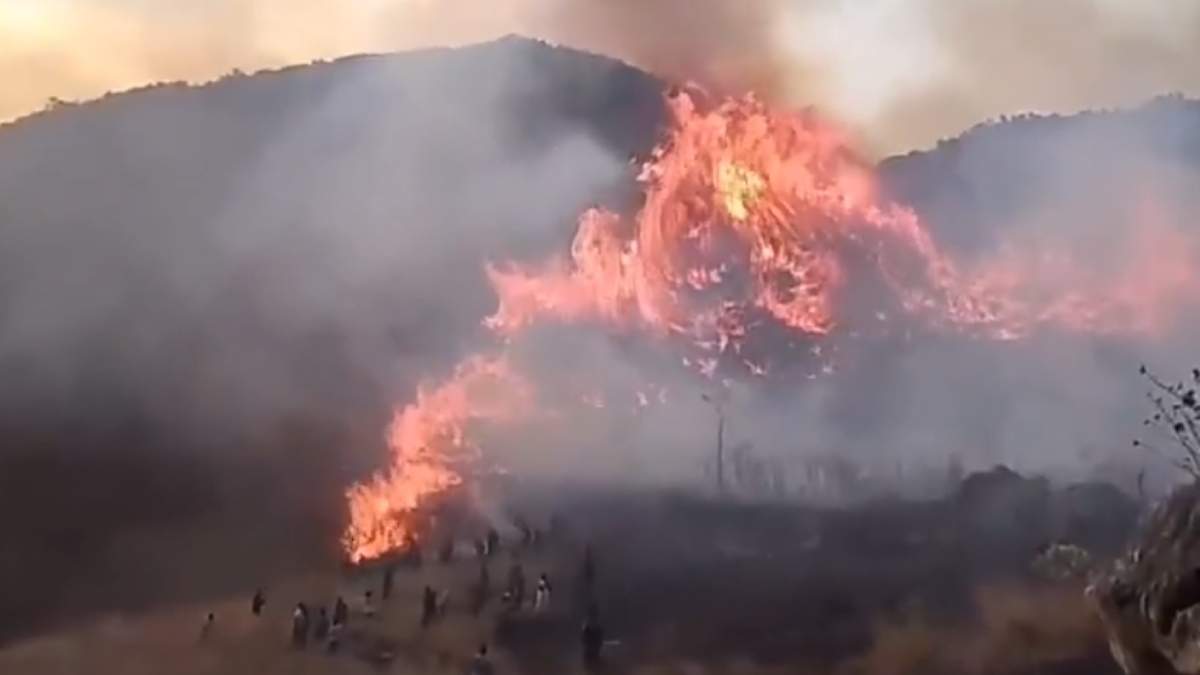
The announcement was made today as the Indonesian government continued to battle fires that have been burning for months. Australia’s assistance will ramp up between November 6 and November 12 so emergency teams in affected regions can get more help.
Australia Sends Aircraft to Support Indonesia
Australia’s New South Wales Rural Fire Service sent a C-130 Hercules aircraft and Cessna Citation aircraft to Indonesia to help with firefighting efforts.
Indonesia’s National Disaster Mitigation Agency (BNPB) said both aircraft would take part in the operation from November 6-12.
Australian Ambassador Roderick Bruce Brazier said the assistance included a Large Air Tanker which could drop up to 15,000 litres of water in one sortie. It could fly six sorties per day so it would greatly enhance aerial firefighting capacity.
The aid comes as Indonesian authorities struggle to control fires in several hard-to-reach forest and peatland areas.
Wildfires Spread Across Sumatra, Borneo and Papua
Indonesia’s wildfire crisis has affected huge swathes of the archipelago (Sumatra, Borneo and Papua).
The situation has become more difficult because of prolonged dry weather, rising temperatures and deteriorating vegetation conditions.
The strong El Niño weather pattern has led to extreme dryness and forests and peatlands are more fire prone than usual. Peatland fires are particularly hard to extinguish because flames can go underground.
Government figures from earlier this year put the area burned in January to July at 202,000 hectares; environmental groups have given much higher estimates for subsequent months.
PAPUA PEGUNUNGAN GUYYSSS.. STILL BURNING 🆘🚨🚨 ATTENTION ATTENTION...SHARE GUYYYS JANGAN BERENTI DI KAMU🫵🫵🚨🚨🚨 https://t.co/kqw6JI77ZE
— sam. (@iyasammm) October 30, 2026
More Than 400,000 Respiratory Infection Cases Reported
The wildfires are causing serious health problems for Indonesians.
More than 400,000 cases of acute respiratory infections had been reported in seven provinces as of November 2 according to Health Ministry data.
The thick smoke and hazardous haze have affected communities — children, older people and those with existing respiratory vulnerability in particular.
The pollution has also crossed national boundaries — affecting air quality in neighbouring Southeast Asian countries like Malaysia and Singapore.
Authorities have been sending medical supplies and deploying healthcare workers to affected communities.
Helicopter Crash Adds to Firefighting Challenges
The firefighting operation has also suffered a tragic setback.
A waterbombing helicopter crashed in Central Kalimantan on Wednesday while fighting fires. One crew member died and five others were injured, military sources told Reuters.
The accident demonstrates the risks emergency personnel face working in poor weather and visibility conditions.
Indonesia Continues Large-Scale Firefighting Operations
Indonesia has been carrying out aerial waterbombing, cloud seeding and ground firefighting missions.
The government has also sought international help to strengthen its response.
Japan had helicopters for firefighting already but now Australia is adding more aerial capacity too.
The international response also emphasizes the regional relevance of controlling Indonesia’s wildfires and preventing hazardous haze from spreading.
Climate and Environmental Concerns Remain
The ongoing wildfires highlight environmental risks of drought, peatland degradation and land clearing.
Experts have said peatland fires can release large amounts of greenhouse gases and harmful pollutants.
Indonesia’s ability to contain the fires will depend on stronger firefighting operations, better forest protection and sustained rainfall.
International help is now coming in and authorities hope that with it the damage will be reduced and communities wildlife and forests protected across the country.





Comments