
In a shocking case of alleged honour killing in Iran, the parents of a 19-year-old pregnant woman have been accused of murdering their own daughter after finding out about her relationship with a young man.
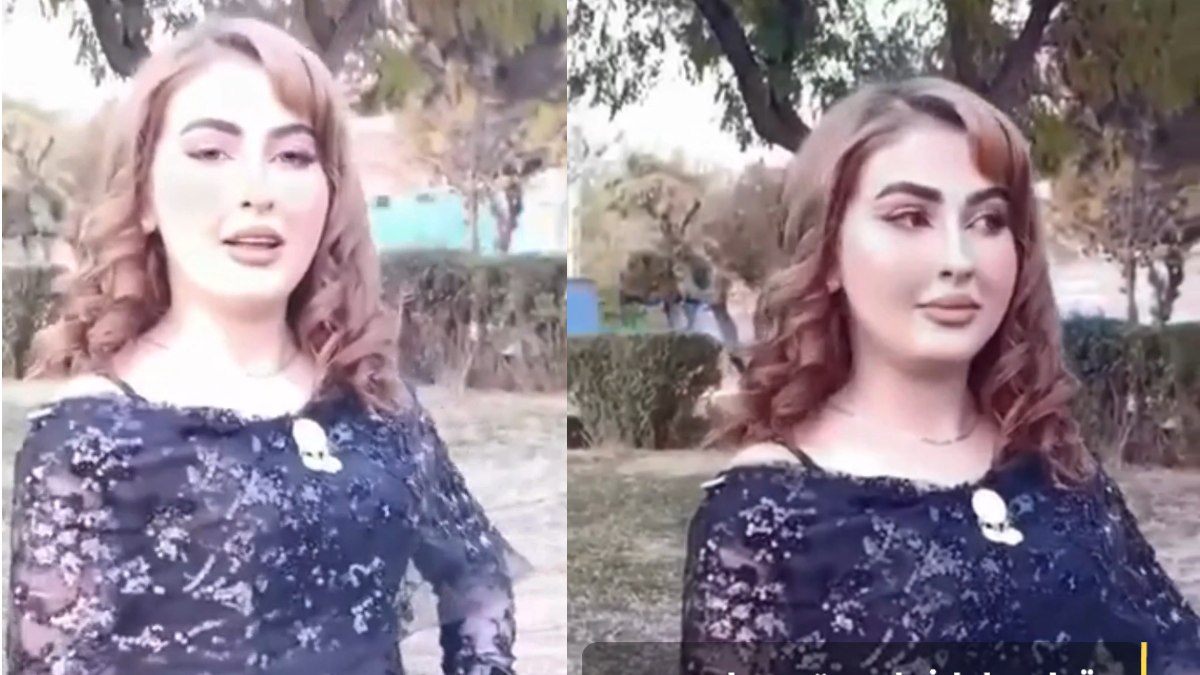
Helia Fattahi was two months pregnant when she was allegedly assaulted by her parents, forced to swallow a large number of pills and suffocated with a pillow. Human rights organisations have condemned the incident, saying it is another example of honour-based violence against women. The victim’s father and mother were reportedly arrested in connection with the murder and confessed during questioning by police.
The Hengaw Organisation for Human Rights said Helia had told her family about her relationship with a young man the previous week and that angered her parents (who allegedly did not like it). The tragedy happened on November 21 when they reportedly went to court to file a complaint against their daughter but returned home after she was beaten up.
The human rights organisation alleged that the parents made Helia swallow around 30 pills, but when she survived despite taking them, they allegedly suffocated her with a pillow. Concern has spread about violence against women in families and rigid social expectations about relationships.
The victim’s father, Voria Fattahi, and her mother, Leila Weiss, have been arrested on suspicion of murdering their daughter. Police reportedly told Iranian authorities that both parents confessed to killing the girl when they were questioned by officers. Iranian police said they were informed about a suspicious death at a residential property and went there.
They reportedly found out that the young woman had been murdered. The parents were taken into custody, and the case was referred to judicial authorities for further legal action, IranWire reported. Authorities have not officially confirmed all details about alleged murder method or pregnancy of the victim yet.
The case has been especially notable because it comes after multiple deaths of young women in Iran in a short period. On November 18, Sadaf Hagbin, 23, was reportedly shot dead by her former boyfriend during her birthday party in Gilan Province the accused allegedly killed her after she refused to marry him.
Once again, the risks women face when they reject relationships or marriage proposals were on display. Police arrested the suspected attacker following the shooting. The case has added to rising concerns about violence against women and lack of safety even in situations involving people they previously trusted.
BREAKING: More details have emerged about the honor killing of Helia Fattahi in Sanandaj, in Iran’s Kurdistan region. She was 19 years old, not 16, and worked in a beauty salon. Her parents murdered her because she was two months pregnant. Most honor killings within Iran’s Kurdish communities involve girls and women being murdered for having relationships with men outside marriage. These heartless killers are willing to murder their own daughters—and even their unborn grandchildren—to preserve what they call “honor.”
— Babak Taghvaee - The Crisis Watch (@BabakTaghvaee1) November 24, 2026
Another disturbing case was the death of 16-year-old Sogand Sayadi in Kermanshah Province. Allegations surrounding her death have also brought into question family members’ involvement: The teenager reportedly warned school staff not to send her home with her father (another troubling twist to her death).
Details of the case have made people wonder whether warning signs of violence against young women and girls are being recognised and addressed properly. All these incidents have made women and teenage girls vulnerable to violence within their families or from people known to them more visible again.
The alleged murder of Helia Fattahi has also revived the debate on honour killings and women’s legal protections in Iran. Honour killings are generally murders committed by family members who say a woman’s behaviour, relationship or personal decisions have damaged the family’s reputation.
In many cases, women become victims of extreme violence simply for exercising their right to choose their partners or make independent decisions about their lives. Human rights activists have criticised social attitudes and legal provisions that may lead to impunity for perpetrators of such crimes. The latest incident has once again forced questions as to whether women in Iran get enough legal protection against violence committed within their own households.
A 2025 report by the British government said that Iran’s legal system does not treat honour killing as a criminal offence in itself. It also noted legal provisions under which fathers or paternal grandfathers who kill their children can be given reduced punishment or exemptions from certain penalties in some circumstances.
Human rights campaigners have criticised such provisions, saying they weaken accountability and leave women more vulnerable to family-based violence: “Legal safeguards need to be stronger; equal protection under the law needs to be guaranteed and individuals responsible for violence against women must be held accountable”.
The magnitude of the problem is also shown by figures released by the Hengaw Organisation for Human Rights. Between November 25, 2025 and November 24, 2026, at least 159 women were reportedly killed in Iran (the organisation said 23 of them were honour killings). These are incidents documented and verified by the human rights group but may not be the full number across the country. The statistics have nonetheless shown how serious gender-based violence is and how women’s safety remains an issue.
Helia Fattahi’s death has therefore become more than just a criminal case; it has internationalised violence against women in Iran. That her own parents killed her because of her personal relationship with another man has brought serious questions about family control, women’s independence and legal accountability into focus.
The investigation and judicial proceedings are expected to reveal the exact circumstances of her death, but human rights organisations continue to demand stronger protection for women and strong action against perpetrators too. It is another reminder that honour-based violence must be tackled urgently so women can make personal choices without fearing for their lives.





Comments