
Delhi continued to battle deteriorating air quality on Today as winter chill spread across the national capital. At around 7 am, overall AQI of Delhi was recorded at 228 (poor) category by CPCB data.
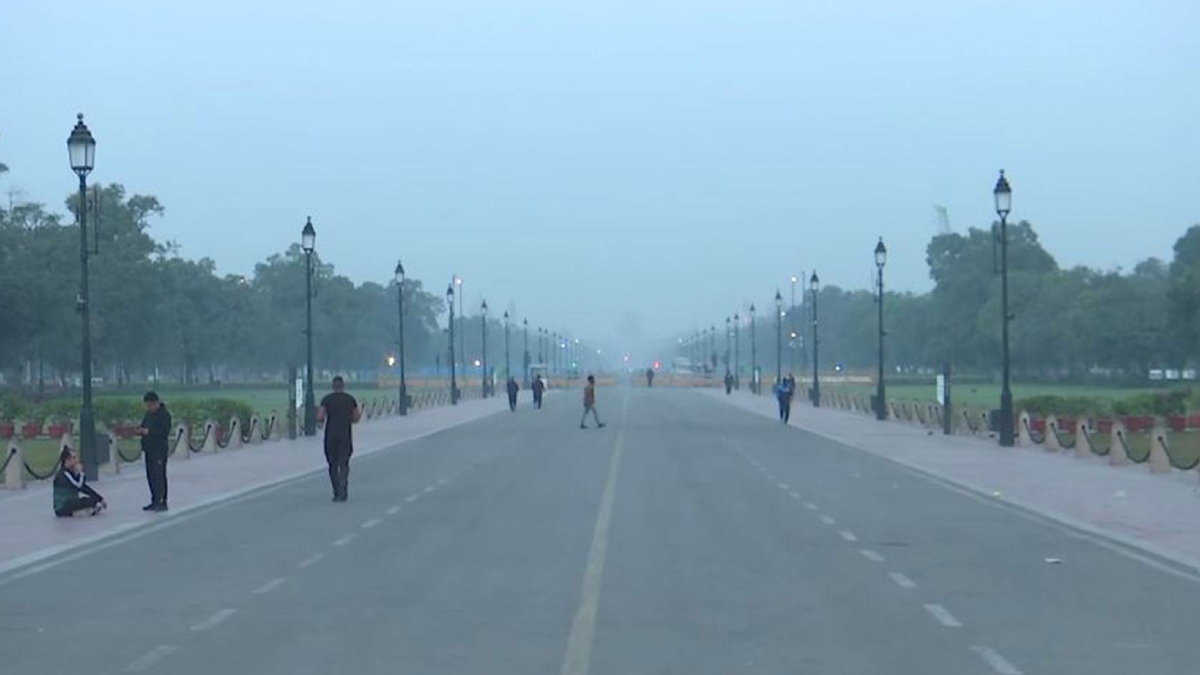
While some monitoring readings showed improvement, pollution levels were still a major concern for residents (children, senior citizens and people with respiratory and cardiovascular diseases). Cold temperatures, weak wind movement and atmospheric conditions have made it increasingly difficult for pollutants to disperse thus leaving the capital surrounded in unhealthy air in the early morning hours.
The monitoring data showed pollution levels varied widely across Delhi. Anand Vihar had an AQI of 336 very poor category while around Akshardham Temple it was 327; Chandni Chowk 275, IIT Delhi 254 and Vivek Vihar 251; India Gate/ Kartavya Path comparatively better air quality with AQI of 161 (moderate).
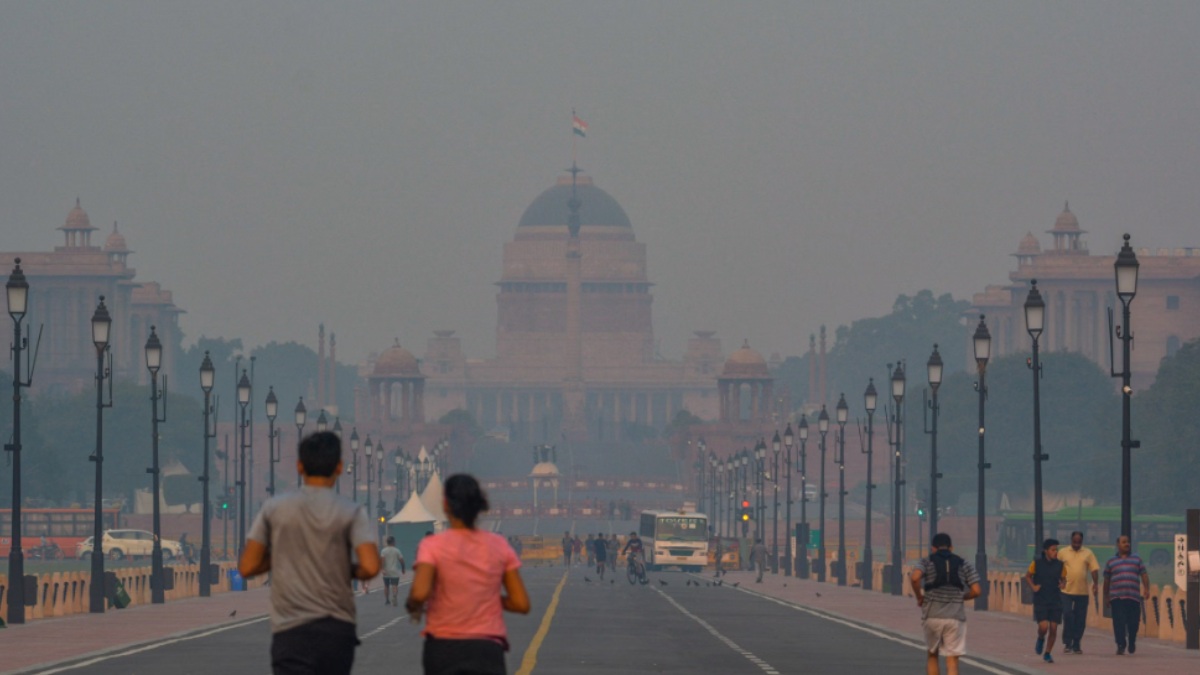
These are stark examples of how people living in certain neighbourhoods are being exposed to much higher levels of pollution than those living in cleaner parts of the city. Other monitoring reports also listed Delhi Technological University (DTU), North Campus and several locations in eastern and northern Delhi as pollution hotspots.
Fine particulate matter (PM2.5) is still one of the biggest contributors to Delhi’s pollution problem. Monitoring information showed that PM2.5 was the dominant pollutant at most reporting stations in the city.
Delhi air quality remains in 'poor' category, AQI at 228 as winter chill intensifies Read @ANI Story | https://t.co/NQPfPG0PDd #DelhiAQI #AirQuality #PoorCategory https://t.co/fOVE628hdM
— ANI Digital (@ani_digital) November 25, 2026
These microscopic particles can travel deep into the lungs and possibly even get into the bloodstream. Long-term exposure may cause breathing problems, coughing, respiratory irritation and worsening of lung and heart disease. People who travel outdoors frequently traffic police personnel street vendors delivery workers construction workers because they spend so much time outside are at higher risk due to the amount of time spent outdoors.
The intensifying winter is also an unfavourable condition for pollution dispersion. In colder months, temperature inversion can set in a layer of warmer air sits above cooler air near the ground. Atmospheric lid effect (like when you put a pot on a stove and the lid prevents heat from rising) means pollutants can’t rise up into the upper atmosphere.
When there are weak winds and little mixing in the atmosphere vehicle emissions, construction dust, industrial pollution etc. tend to stay closer to the surface so pollution levels may remain high in early mornings and nights too. The gradual fall in minimum temperatures and possibility of mist and shallow fog are also adding to concerns about winter weather across capital.
The IMD has said that mainly clear skies are likely over the next few days with mist or shallow fog in the morning hours. Minimum temperatures are expected to hover around 8 to 11 degrees Celsius while daytime temperatures could be between 24 and 26 degrees Celsius.
There is no significant rainfall in the immediate forecast period so natural weather may not offer much respite from pollution in the short run as well wind speed will be low and rainfall unlikely and dispersal of pollutants would be further restricted; but daily AQI readings will depend on meteorological conditions and emission levels changing.
Delhi’s pollution story also shows that controlling multiple sources of emissions during the winter is still a difficult task. Exhaust from vehicles, road dust, construction activities, industrial emissions, waste burning and regional agricultural residue burning are some of the causes for the capital’s recurring air pollution crisis. Though authorities have taken several measures to control pollution (including several green laws), maintaining clean air consistently is a big challenge when unfavourable weather conditions combine with ongoing emissions.
Residents are being urged to take precautions while pollution is in the poor category children, elderly people and those with asthma or other respiratory problems should not do prolonged outdoor activities early in the morning when pollution can be concentrated near ground level; wear a well-fitted N95 mask when travelling outdoors; if possible avoid exercising near busy roads; protect indoor spaces adequately from outdoor pollution when needed.
Under CPCB norms an AQI between 201 and 300 is poor, readings between 301 and 400 very poor. Delhi’s overall reading of 228 therefore means that even though individual monitoring stations have reported much worse pollution the city still has an unhealthy situation going on (winter temperatures are falling but residents and authorities will be watching to see if changing wind patterns and weather bring meaningful relief).
For now Delhi’s battle against air pollution continues winter chill and trapped pollutants make clean air more important for millions of people.





Comments