
Israel will hold a national election on 27 October 2026, giving voters their first chance to elect a new parliament since the Hamas-led attack on October 7, 2023. Security failures in the aftermath of the attack, his government’s handling of the subsequent war and other domestic problems are a concern for Prime Minister Benjamin Netanyahu.
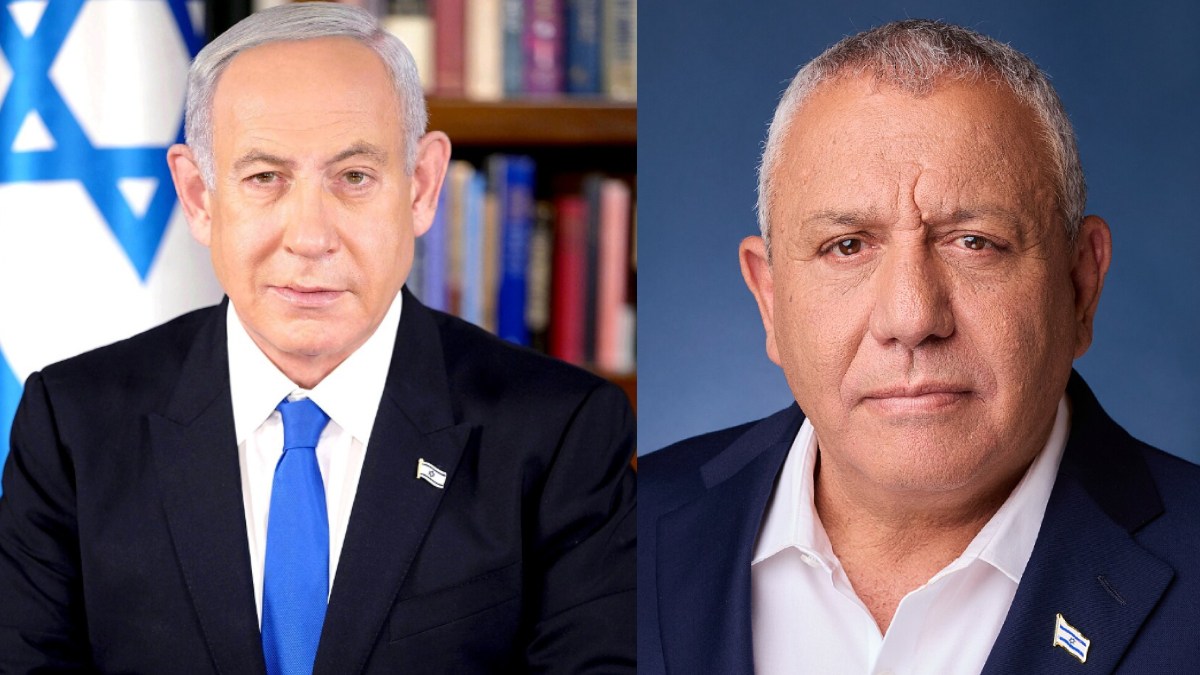
The previous Israel General Election was held on 1 November 2022. Netanyahu returned as prime minister after his Likud-led bloc secured a parliamentary majority.
The 2026 election could determine if he will go on to remain in power or if opposition parties will be able to form a new government. The outcome will be decided not just by votes but also by negotiations between political parties.
What happened on October 7, 2023?
On 7 October 2023, Hamas-led militants launched a major attack on Israel from Gaza. More than 1,200 people were killed in Israel and 251 people were taken hostage, according to reported figures.
The attack exposed major failures in Israel's security and intelligence systems. Israel subsequently launched a major military campaign in Gaza, leading to extensive destruction and a severe humanitarian crisis.
The conflict also caused regional tension. The events of October 7, 2023 continue to shape political debate in Israel, particularly over national security and the government’s responsibility for failing to prevent the attack.
Netanyahu faces security questions.
Netanyahu's critics say that the security failures he made before the October 7, 2023 attack must be taken to task by his government. Opposition figures and families of those who lost their loved ones in the attack have also called for a probe.
Netanyahu has defended his government’s actions and highlighted its military actions against Hamas and other regional adversaries. His supporters say there are still serious security threats and that his experience is important during a period of regional instability.
The election gives voters an opportunity to assess these competing positions. The outcome will also reflect concerns about the economy, military service, judicial reform and the future of the conflict.
Who is challenging Netanyahu?
The former military chief Gadi Eisenkot is one of the opposition figures who are trying to challenge Netanyahu's leadership. He and other foes have also called for changes in government policy and a different approach to national security.
The opposition has also raised questions about exemptions from military service for ultra-Orthodox men and proposals to change Israel's judicial system.
Netanyahu's Likud party is trying to maintain enough support to form a government. Smaller parties could become important in deciding which political bloc can secure a parliamentary majority.
What will be at stake in the 2026 election?
The Knesset, Israel's parliament, has 120 seats. A government generally needs at least 61 members to have a majority of parliament.
Because Israeli elections are based on proportional representation, no party has ever won an outright majority on its own. Coalition negotiations can therefore determine who becomes prime minister and which parties enter government.
The October 27, 2026 election is significant as it is the first national election since the October 7, 2023 attack. It will signal how voters will judge Netanyahu’s leadership style, the public mood and government security record and the government’s actions in relation to the conflict.
While there is no doubt that, regardless of whether Netanyahu is prime minister or a new coalition takes power, the election will influence Israel’s domestic politics and its approach to regional security in the years ahead.





Comments