
A fatal road accident in Cheranalloor, Kochi, has triggered public outrage after a Mercedes-Benz allegedly driven by a 17-year-old, the son of an Additional District and Sessions Judge, struck a scooter from behind, killing 55-year-old Jayabalakrishnan. The case has raised serious questions about police handling, accountability and whether the victim’s family can secure justice without fear or influence.
The accident occurred around 2.20 am on Sunday, Oct 25, on Container Road near Maraparambu. Jayabalakrishnan, who ran a roadside eatery, was reportedly returning home after closing his shop. He was the father of three children and the sole breadwinner of his family.
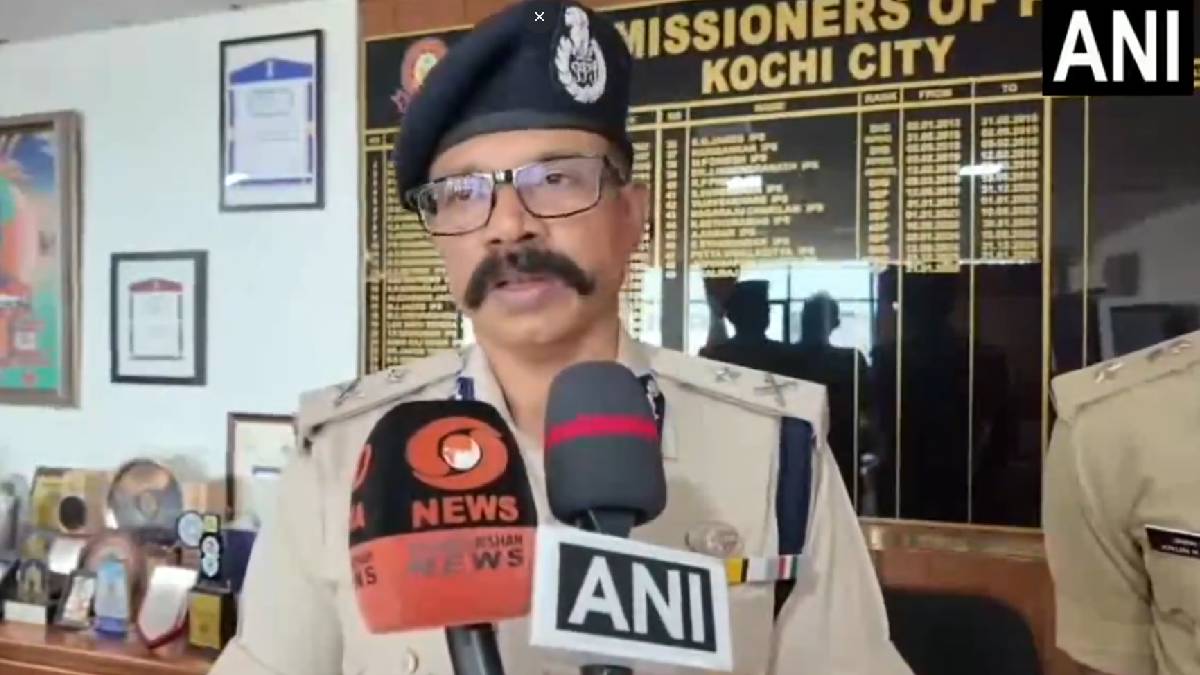
#WATCH | Kochi, Keralam: On investigation of Juvenile son of a Judge involved in a car accident in Cheranalloor, Kochi City Police Commissioner Kaliraj Mahesh Kumar says, "... Yesterday, early in the morning, the police received information about an accident. A police team immediately rushed to the spot, and the victim was shifted to the hospital. Unfortunately, the person later died. Initially, a case was registered under the section relating to death caused by negligence, based on the initial First Information Statement (FIS). However, during the investigation, evidence emerged indicating that the vehicle was overspeeding. Since the accused was a juvenile, the section was subsequently altered to Section 105 for culpable homicide. Initially, this evidence was not available. The section was altered, and, following the Juvenile Justice rules, the juvenile was produced before the concerned Juvenile Justice Board, and the prescribed procedures were followed. Moreover, the Motor Vehicles Act provides that when an accident is caused by a juvenile, the guardian or the registered owner (RC owner) may be held responsible. In this case, the father is also the registered owner of the vehicle. Accordingly, the relevant provisions of the Motor Vehicles Act have been invoked. Certain procedures must be followed because the registered owner is a judge, and we are following those procedures to take further action... This is an emotional moment. We fully support the family, as they have lost their breadwinner, who was working late at night when the accident occurred. We will take all necessary action to ensure that those responsible and found culpable are brought to justice, in accordance with the existing norms."
— ANI (@ANI) October 26, 2026
Initial Bail and Fresh Questions Over Police Handling
The minor was initially released on station bail, triggering protests by the victim’s children and local residents. Following the backlash, police took him into custody again and added Section 105 of the BNS, which deals with culpable homicide not amounting to murder.
However, the Juvenile Justice Board (JJB) in Ernakulam subsequently granted him bail on Monday, Oct 26, intensifying the family’s protests. The victim’s children have demanded stricter action and questioned whether the case would have been handled differently if the accused did not belong to a judicial family.
Kerala Home Minister Ramesh Chennithala reportedly acknowledged inadequacies in the initial police response and called for appropriate action. The controversy has also brought renewed attention to Section 199A of the Motor Vehicles Act, which provides for liability in cases involving offences committed by juveniles using vehicles.
Claims About Previous Driving and Missing Witnesses
The minor reportedly told investigators that he had learned to drive through YouTube and had taken the vehicle out that night. However, Independent sources have claimed that, the minor had an Instagram handle where he regularly posted himself driving. Claims that the posts were subsequently deleted and the account made private have also emerged.
There are further allegations concerning the presence of other people at the scene. According to accounts attributed to the victim’s family, an eyewitness may have seen 3 more people leave the vehicle after the collision, with another vehicle allegedly arriving later. The family has reportedly expressed concern that the witness may be reluctant to come forward because of possible intimidation.
These claims have not been independently established in the reports reviewed. Investigators will need to establish who was present, whether anyone else was involved and whether available CCTV footage or witness statements corroborate the allegations.
Case Against the Judge and Questions of Accountability
The Kerala High Court reportedly granted permission for police to register a case against the minor’s father, an Additional District and Sessions Judge, in connection with the incident. Police have invoked Section 199A of the Motor Vehicles Act, and the investigation has drawn scrutiny over the responsibilities of the registered vehicle owner.
The family has also raised concerns about alleged attempts to influence the handling of the case. Any claim of intimidation or improper intervention must be investigated and supported by evidence. The police response, the preservation of evidence and the treatment of witnesses will be critical to establishing the facts.
Will every person connected to the case be held accountable under the law, regardless of their position or influence? The victim’s family is seeking answers not only about the fatal collision but also about the initial police response, the bail decision and the allegations surrounding the events after the crash.
The case must be investigated fairly, with due process for the minor and accountability wherever evidence establishes wrongdoing. No individual should receive preferential treatment because of family connections, and no witness or grieving family should have to fear repercussions for seeking justice.
The judge’s name and other identifying details of the minor have been withheld to protect the child’s identity under applicable law. Readers are also urged not to circulate photographs or other material that could identify the minor.


Comments