
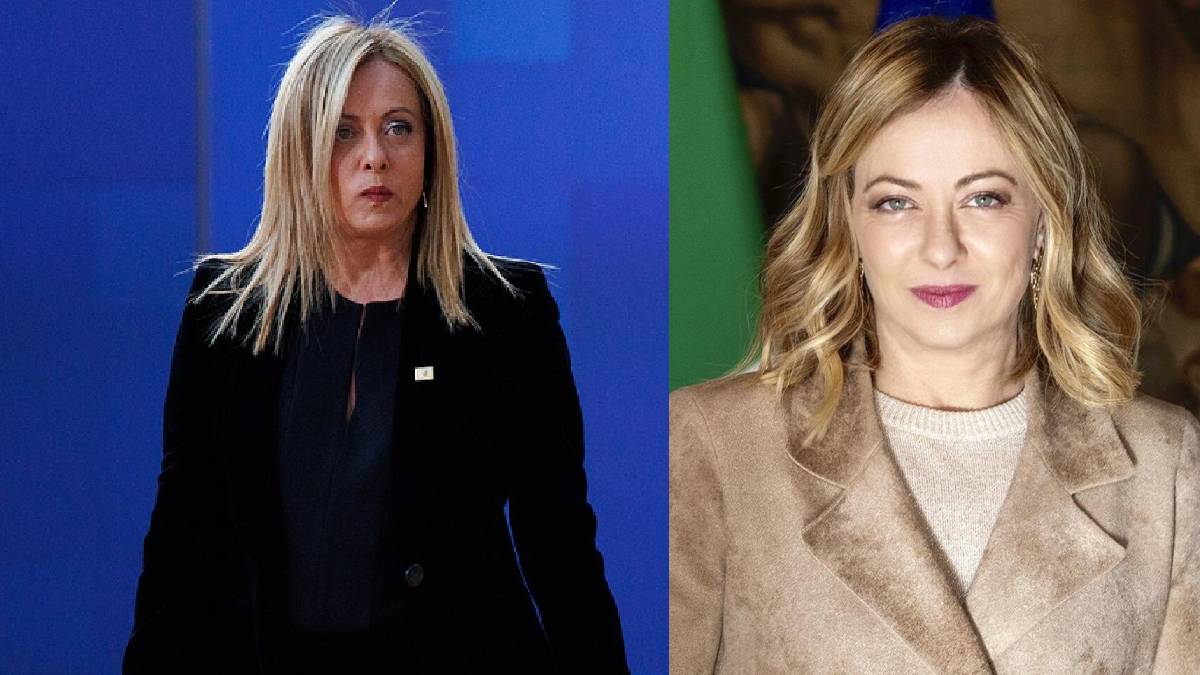
Italy’s Prime Minister Giorgia Meloni has announced a tougher response to violent demonstrations following a weekend of unrest in Milan and other Italian cities. The Council of Ministers on October 20 approved measures that range from up to five years in prison for violent demonstrations to preventive detention of minors considered a threat and financial penalties for parents whose kids cause damage through vandalism. 500 additional soldiers will be sent to Milan to help police in the operation.
The measures are part of a new security and juvenile crime decree introduced following violent clashes, looting and damage to public and commercial property. The government says the changes are intended to protect public safety and prevent demonstrations from turning into large-scale disorder. But the proposals have also raised questions about the balance between stronger policing powers and the right to peaceful protest.
Giorgia Meloni Defends Tougher Action Against Rioters
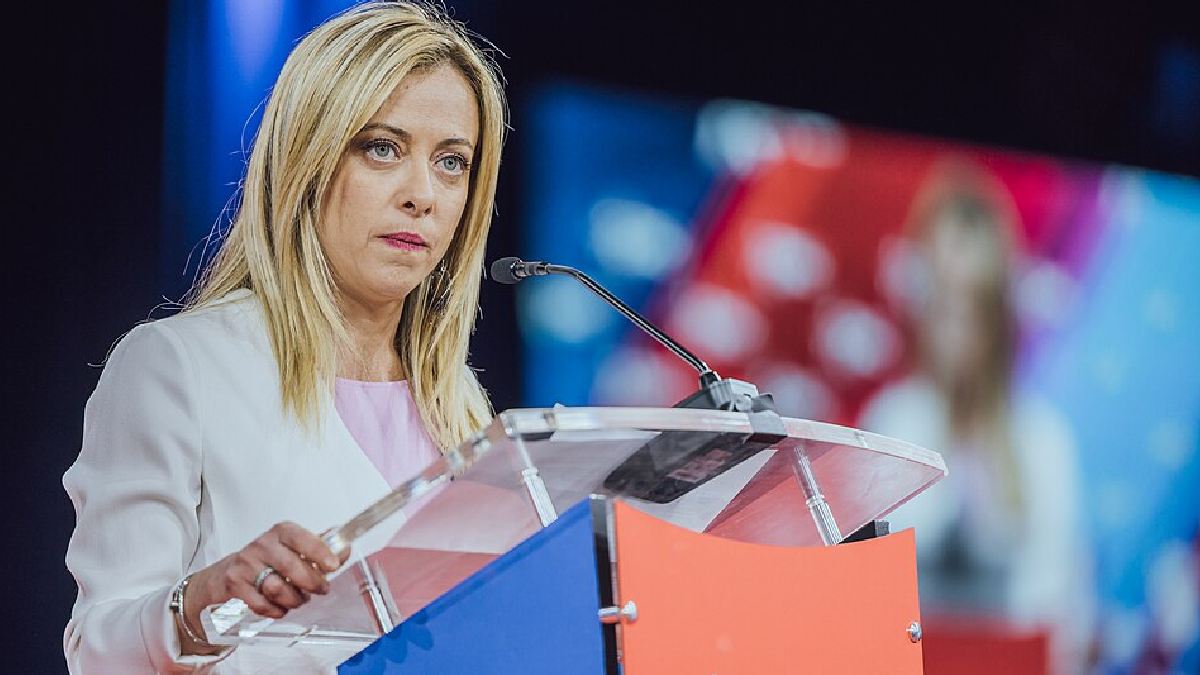
In a video posted on social media, Meloni condemned the scenes of violence in Milan and other cities. She recalled stores looted, windows broken and law enforcement personnel attacked and says such behaviour could not be tolerated or minimized.


The Italian government has maintained that peaceful demonstrations and violent acts must be treated differently. The new measures aim to place more severe consequences on those who participate in organised violence, damage property or endanger the public during marches and protests.
Under the decree, people who join groups of five or more during a march or demonstration and throw stones, firecrackers or sticks, or otherwise pose a danger to public safety, could face up to five years in prison and fines of as much as 20,000 euros. Penalties could be even heavier if concealed faces or injuries to other people are involved. The government has also proposed stronger punishment for group acts of destruction.
Specific applications of such provisions will be determined by the circumstances of each case and legal process. The laws are intended to stop violent behavior and give authorities more tools to respond to demonstrations when they become violent.
Parents Could Face Financial Liability for Damage Caused by Minors
One of the key aspects of the new decree is young people and their families’ responsibility. The government will make children and their parents financially liable for damage caused by acts of vandalism and families’ harm when children are involved in that kind of vandalism.
The decree also makes it easier for offenders aged 14 and above to be indicted - as long as they understand their actions - unless there is evidence to the contrary. The government will also create judges and detention facilities to improve the juvenile justice system.
Meloni has expressed concern about young people taking part in the unrest. She said some teenagers had probably gathered together in groups after being motivated by videos circulated on social media. She added that footage of young people doing vandalism, stealing or damaging property might encourage others to imitate what they were doing.
The government’s approach is indicative of concern that online platforms can also help to spread calls for disorder and magnify the visibility of violent acts. Indeed, authorities are also looking for tougher penalties against those who organise violent protests on social media or other digital platforms. Possible prison terms of up to 12 years are suggested under the relevant provision but the offence and circumstances would determine the actual penalty.
How the Milan Protests Turned Violent
The unrest started on Saturday, October 17, alongside a protest organized on the basis of opposition to wars and rising living costs. A peaceful march in Milan initially deteriorated when masked groups clashed with police.
Some of the participants assaulted and threw stones and other objects at buildings, looted shops and lit barricades on fire, police said. Police deployed tear gas and water cannons to disperse the crowds and restore order. The violence continued on Sunday when young people turned to shops and supermarkets in central Milan.
The damage to Milan's shopping district was estimated at about one million euros, according to the Italian retail trade association Confcommercio. More than 200 people were detained during the unrest, and minors were among them, the police said.
The scope of the damage and the youths’ reported involvement added to the pressure for the government to act. The new decree was designed to prevent such instances and to strengthen the authorities’ capacity to intervene before violence escalates.
500 Additional Soldiers to Be Deployed in Milan
As part of the immediate security response, Meloni announced that 500 more soldiers would be deployed in Milan until the end of the year. They will support police and the Carabinieri, Italy’s national gendarmerie, as authorities seek to reinforce public-order operations.
The deployment is intended to provide more help in areas where officials believe disorder is more likely to occur. But the government's wider security plans are also raising concerns from police unions that military personnel on the streets have their powers grow greater.
It also highlights the obstacles that arise when responding to violent unrest while balancing military support with ordinary policing responsibilities.
Decree Faces Parliamentary Deadline and Wider Debate
The security decree is in effect immediately, but the Italian Parliament must turn it into law within 60 days. Lawmakers will have an opportunity to examine its provisions, and how that legislation will impact how the new rules will be implemented.
The Meloni government says tougher penalties, preventive action and increased security deployments are needed to protect citizens, businesses and public property. Some provisions might be interpreted too broadly or have a negative impact on legitimate demonstrations, and civil liberties supporters may protest it.
Italy will have to contend with the new rules as well as the right to peaceful assembly when moving forward with the decree. The parliamentary process will ultimately determine the final form of the measures and their impact on Italy’s approach to public order and youth crime.




Comments
Leave a Comment