
It is said that Vice President JD Vance has reached out to senior Iranian security executive Mohsen Rezaei in hopes of restarting the talks between Washington and Tehran in a bid to engage in diplomacy. The diplomatic touch comes as President Donald Trump might order a military strike to take place against Iran in the future with the threat of further escalation.
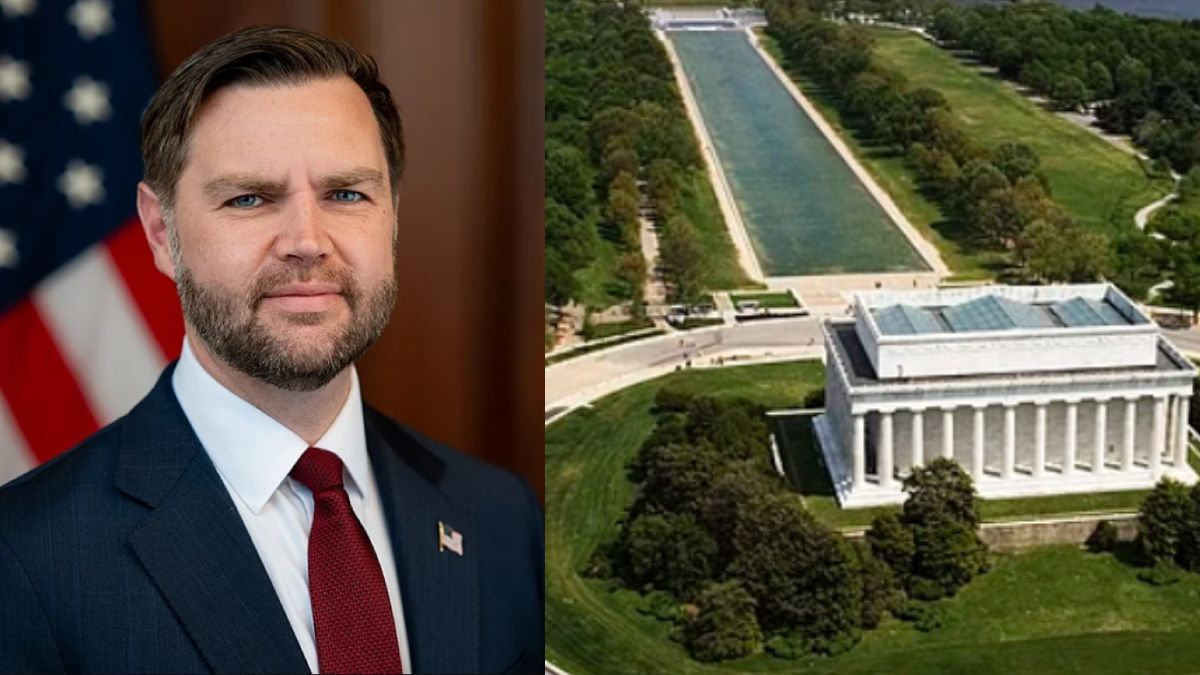
Vance sent a letter to Rezaei, secretary of Iran's Supreme National Security Council and former commander of the Islamic Revolutionary Guard Corps (IRGC) according to The Wall Street Journal. Vance was trying to see if both sides could come up with a framework for restarting negotiations.
But the message is not clear on the purpose of the outreach. Trump said the contact was about medical supplies for Iran and denied that he had instructed Vance to start peace talks. The conflicting accounts show how uncertain Washington’s diplomatic efforts are.
No comprehensive peace proposal or agreement to end the conflict has been announced.
Why JD Vance Contacted Mohsen Rezaei
Rezaei is a leading hardliner in Iran's political and security establishment. He has previously been in charge of the IRGC for many years and has emerged as an influential voice in the continuing confrontation with the United States and Israel.
The reported outreach could give Washington another channel to talk to Tehran at a time when previous negotiations have stalled. The letter and subsequent exchanges, according to reports, were more about negotiating a possible framework for talks than having a detailed peace deal made.
Rezaei, too, has been firm against talks in which he does not like to see Iran represented. Recently, Tehran had said it would not negotiate with Washington until it was satisfied with all of its central demands.
In addition, his involvement might alter the diplomatic process by having a senior security figure with the Iranian officials who have traditionally handled foreign policy negotiations.
The reported conversation does not, however, mean that Iran has agreed to resume formal talks or agreed to US conditions.
Trump is mulling new military action against Iran.
The diplomatic outreach comes as the United States is worried that it could conduct another round of strikes against Iran in the coming weeks.
It is said that the Trump administration has been considering a short, heavy military campaign, possibly after the US midterm elections on November 3, 2026. But no final decision to launch such an operation has been made publicly.
Trump has repeatedly taken a hard line on Iran’s nuclear programme, and it is a top national security objective for his administration. He has also discussed negotiating a settlement but has also threatened to go to war if the agreement isn’t reached.
Saying the risk of fresh strikes has added urgency to diplomatic efforts because the conflict could grow into a war and threaten regional stability.
The reported plans are subject to change and the timing and scope of any potential military operation have not been officially confirmed.
US and Iran remain far apart on key demands.
But with the reported outreach, Washington and Tehran still have major disagreements over the conditions needed to end the conflict.
The US has also sought early concessions from Iran on its nuclear programme. Tehran has also requested economic relief including sanctions and restrictions on oil trade.
Previous negotiations, conducted directly and through regional intermediaries, have failed to achieve a lasting settlement. A memorandum of understanding reached in June, which was expected to be signed in June, collapsed within two weeks after disagreements over how shipping through the Strait of Hormuz would be restored, the report said.
The strategic waterway represents a significant amount of global oil and gas shipping. A long-term disruption would affect energy prices, shipping costs and regional economies.
But the gap between the two sides’ demands is still a hindrance to renewed negotiations. A new diplomatic channel may open the way for talks, but it does not guarantee that either side will compromise.
Regional powers push for de-escalation.
Regional governments have also been working to prevent further escalation. Saudi Arabia, Pakistan and Turkey have been trying to mediate with Iranian leaders in diplomatic efforts.
These contacts reflect concern that renewed US-Iran fighting could spread through the Middle East and threaten commercial shipping and increase the threat of retaliation against regional targets.
Iranian Foreign Minister Abbas Araghchi has said Tehran is open to diplomacy through intermediaries but that the country is prepared to defend itself.
Iran has also put forward conditions for a ceasefire, the reopening of the Strait of Hormuz, and economic restrictions. The United States and Iran have yet to reach a compromise in terms of their sequencing and terms of such measures.
Regional mediation may help keep the lines of communication open although the outcome will largely depend on whether Washington and Tehran can come to agreement on a negotiating framework that will allow for dialogue to continue in the end.
What will happen next to US-Iran relations?
Vance's reported contact with Rezaei represents a possible diplomatic opening at a time when there is a threat of fresh military action. So much will depend on whether the communication will lead to formal negotiations and whether both governments are willing to make their opposing demands.
There is no confirmed agreement to end the conflict and the Trump administration has not publicly committed to abandon the option of military action.
The next few days will be critical as regional intermediaries continue to work and Washington considers what it will do next. So until either side makes a formal negotiating agreement or announces a concrete deal, the reported outreach should be considered an exploratory diplomatic move, not an actual breakthrough in the war.


Comments