
Artificial intelligence (AI) is revolutionizing industries and economies with a rapidly changing technology that is rapidly changing industry, economy and life in the world and as such governments must always be able to regulate the technology to stop it from becoming too risky if the risks become too great to fail to account for it all quickly.

With the rise of AI systems getting more powerful and autonomous, however, the need for greater regulation of these technologies is ever more pressing and regulators are under increasing regulatory pressure as they want to promote innovation and protect people and society.
AI is being used in healthcare, education, finance, manufacturing, transportation and public administration. These systems can process huge amounts of information, automate repetitive work and provide assistance in complex decisions.

But with this kind of capabilities the security aspects, privacy, misinformation, cybersecurity, employment and accountability are all open questions.
It has become more important now that AI regulation is becoming easier, and in this case, more capable as we have more and more convincing images and video. Such tools can be abused to spread false news, create deepfakes, impersonate people and influence public opinion.
Another major worry is that AI is used in decisions that actually affect people’s lives. AI software could be used to decide who to hire, who to lend and who to use for medical care.

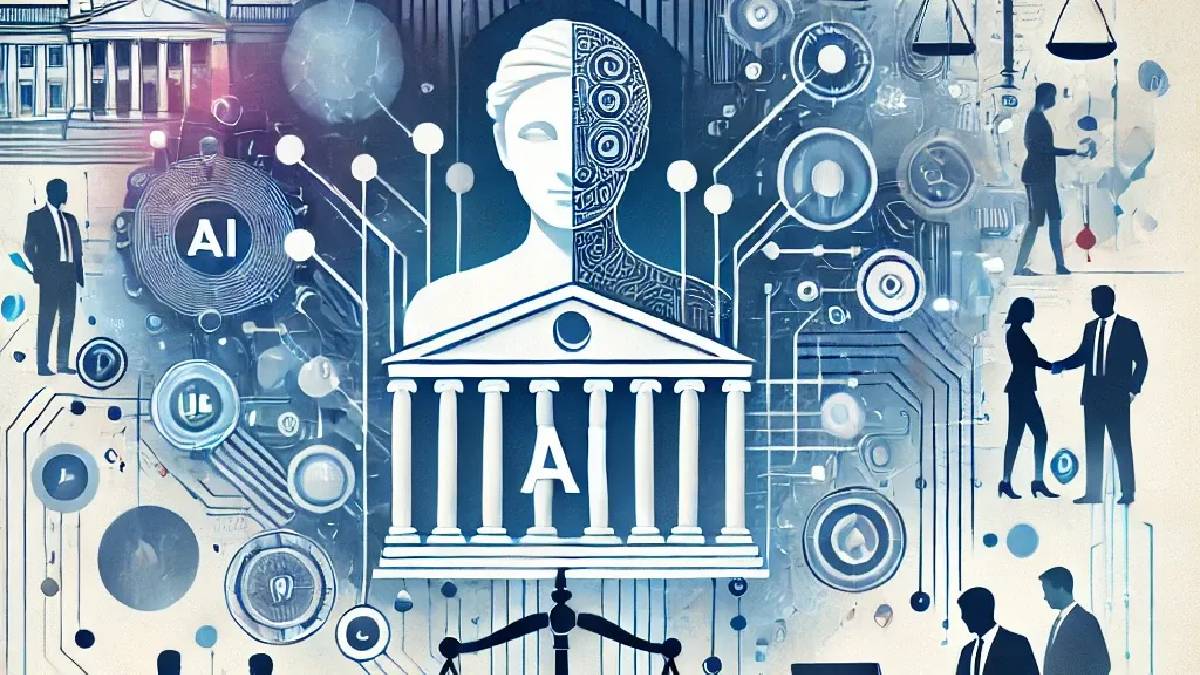
And data in these systems might not be all the same and so are likely inaccurate and biased. So the experts have asked that the information be transparent, independent testing be conducted and that AI be able to handle difficult decisions that AI is able to make on its own.
There is also a growing interest in cybersecurity. Better AI technology to identify threats and build digital defenses, but it can also be used for frauds and sophisticated scams and to aid in cyber attacks.
So governments must consider such interplay as part of their rules and design rules that address real threats but don’t constrain beneficial uses.
The challenge for policymakers is that AI technology is developing quickly, and legislation often takes time to write, debate and implement.
Today’s rules might not be well suited to new capabilities that come along tomorrow. Regulators need to create frameworks to work with these changes and not rely only on a prediction of future risks.
A possible approach is to implement risk-based regulation. In that case, AI applications that could have major impact on public safety, fundamental rights or critical infrastructure would result in tougher regulations than low-risk tools.
This would include mandatory safety checks, data protection standards, transparency requirements, human oversight and sanctions for serious violations.
International cooperation will be essential. AI companies are across countries, so rules adopted by one country may not be enough to tackle global problems.
Governments would benefit from sharing safety research, establishing common standards and pooling their response to cross-border misuse. But differences in national interests, legal systems and economic priorities can make good agreement difficult.
At the same time regulations have to balance safety with innovation. Rules so strict that they put smaller developers at a disadvantage or slow useful research, or are not properly enforced could leave people and communities at risk from harmful effects. Clear, proportionate rules will help businesses to understand their responsibility, and build public confidence in them.
But governments can’t predict every future development in artificial intelligence. They can hold people accountable, enforce laws where necessary and provide stronger protections for high-risk systems.
The question has changed from whether AI should be regulated to whether governments can develop effective protections in a timely manner with the state of the art.









Comments