
Israel has imposed new aviation security restrictions after the cockpit attack on a flydubai flight from Dubai to Tel Aviv on September 30, in which Indian captain Smit Machchhar was injured while trying to protect passengers and regain control of the plane.
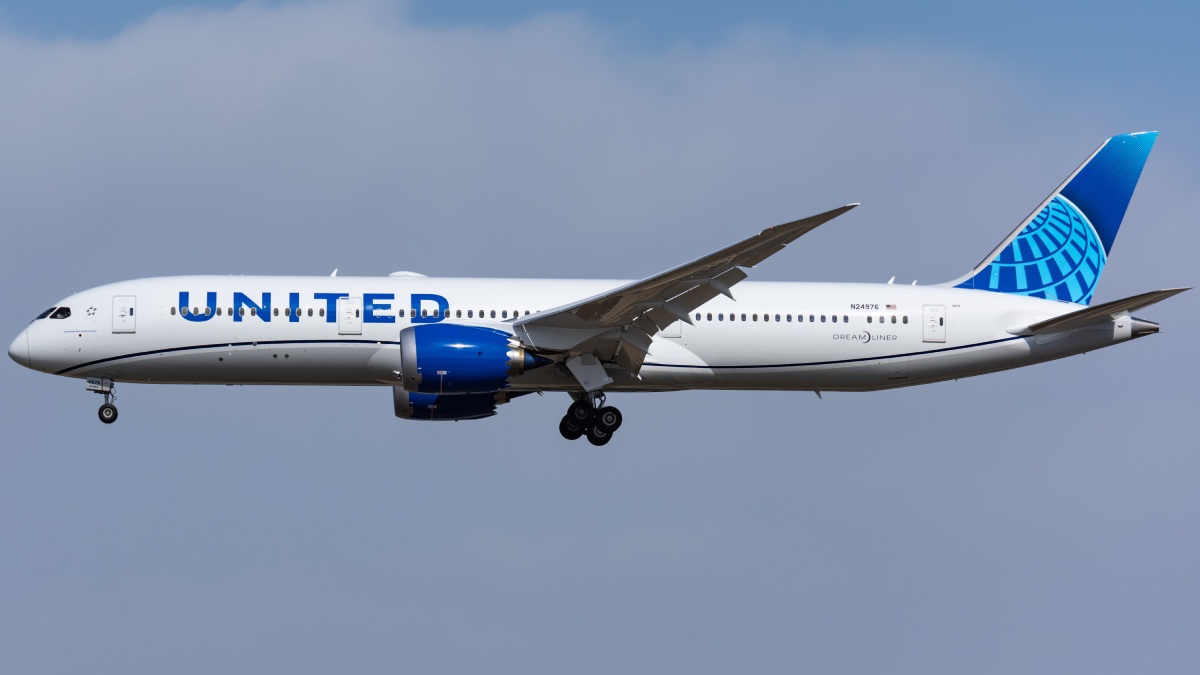
Meanwhile, a United Airlines pilot has been suspended from entering Israeli airspace as part of a flight crew after the airline was told of a security investigation into whether he was involved in social media activity and alleged Iranian terrorist connections and whether he was pro-Iran and Hezbollah support for the violence in the airline.
According to Israeli media reports, the United Airlines pilot, Sina Amjadian, was under surveillance after Israeli authorities saw posts he made on social media that were interpreted as endorsing Iran’s leadership and criticism of Israeli military actions.

The information was sent to the security and intelligence agencies for examination before the Transportation Ministry notified United Airlines of the restriction. But the allegations have not been independently verified and social media posts alone are not proof of involvement with terrorism or other criminal activity.
The effect on the individual ban seems limited. The pilot works domestic routes in the US and flights between the United States and Canada, not international services to Israel. The restriction does not appear to need to change the current flights into Israel. But the decision has become a prominent example of Israel's efforts to reassess the security screening of foreign airline personnel following the flydubai cockpit incident.
The security response goes beyond this one case. Israeli authorities have been tightening the checks on foreign pilots and imposed restrictions on flight crew members with dual citizenship in countries not connected to Israel. There are more than two dozen such countries which could be covered by the new measures, including Iran, Pakistan, Oman, Saudi Arabia, Algeria and Tunisia. The restrictions have led international airlines to adjust the crew rosters and make changes to work assignments on Israeli air services.
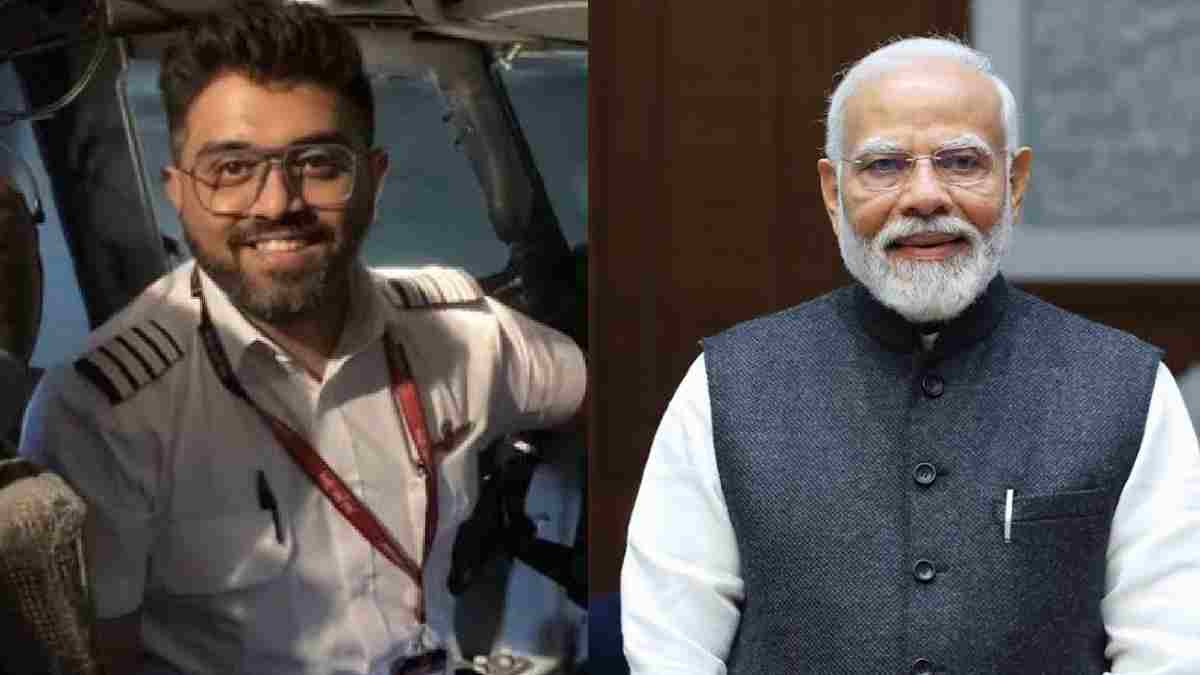

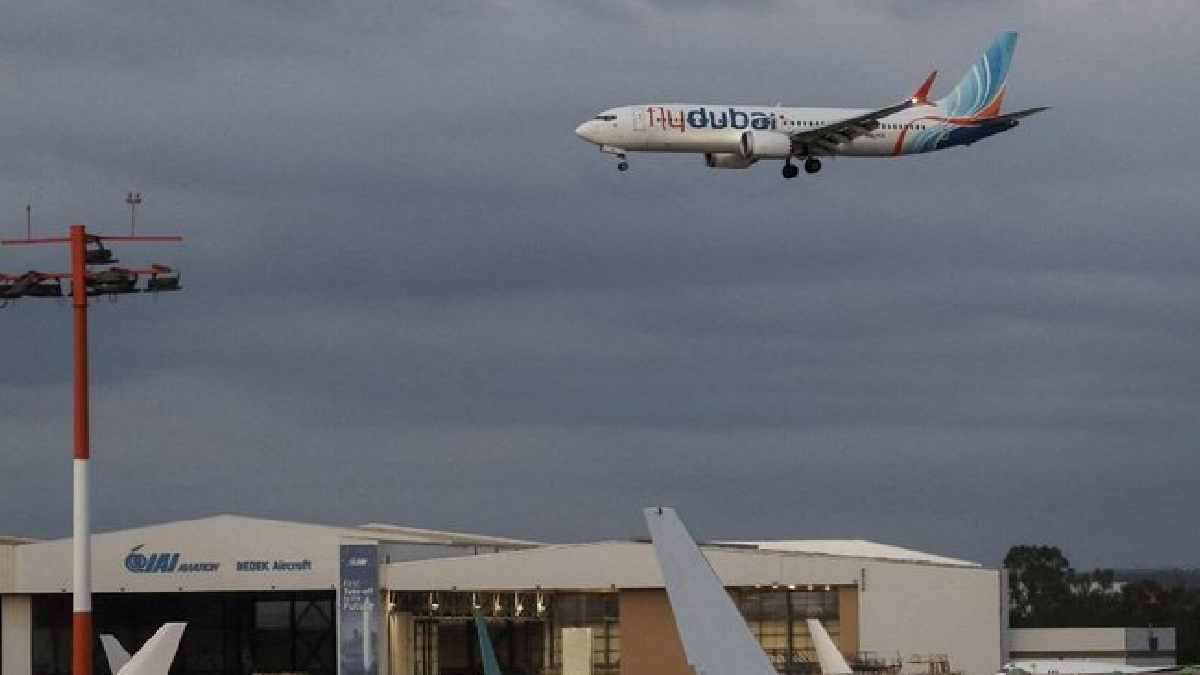
The measures followed a serious incident on September 30 involving flydubai Flight FZ1073, which was travelling from Dubai to Tel Aviv. The Omani co-pilot allegedly attacked Captain Smit Machchhar in the cockpit. The flight began to take a rapid descent and the captain, others on board and passengers intervened. The flight was diverted to Saudi Arabia and landed safely.
The incident raised great concern because the threat was not from the outside but a member of the flight crew. The police are looking at the circumstances and the alleged motives of the suspect.
Machchhar’s bravery in the emergency was praised by Indian and Israeli leaders. The Indian captain, who suffered injuries, was able to open the cockpit door and get someone to intervene and avoid a potentially disastrous scenario. His response also highlighted cockpit security, crew coordination and procedures for dealing with a threat in the aircraft itself.
The incident raised questions about who should be responsible for screening foreign flight crew members. Airlines do job and background checks and national authorities may require additional security checks to access their airspace and airports. There are clear requirements for these systems as well; reliable information sharing; consistent guidelines and accountability between airlines, aviation regulators and security authorities must be put in place. Israel’s new measures are in line with the country’s move to tighten security for crews that fly into the country.
The policy changes have operational implications for international airlines as well. Restrictions on nationality or eligibility to enter a particular airspace will require airlines to alter crew assignments, adapt schedules and make sure that all flights meet the national requirements of a particular destination country. That is where the changes can be complicated for airlines that operate to destinations that have specific security rules. But governments say that aviation security must be concerned with risks not only with normal airline operations.
The United Airlines pilot’s case should still be distinguished from the flydubai attack. Reports have not found any link between Amjadian and the September 30 incident, and the social media claims should not be viewed as evidence of criminal conduct. The larger measures and the individual restriction are all part of the same heightened security environment but not necessarily related to each other.
Israel’s response shows how a single cockpit security incident can ripple through international aviation for years to come and affect the overall flight situation in many aspects. With the additional screening, restricted crew and airline roster reviews in progress, the challenge will be to help to strengthen security but also to make sure that decisions are based on solid evidence and laid down procedures. So the way the rules are being implemented and the results of the ongoing investigations will be key when it comes to international flight operations in the next few months.






Comments
Leave a Comment