
Texas Governor-elect Gina Hinojosa says she will impose tougher regulations on data centres to protect residents from rising electricity costs, excessive water use and other environmental impacts of large scale technology infrastructure.
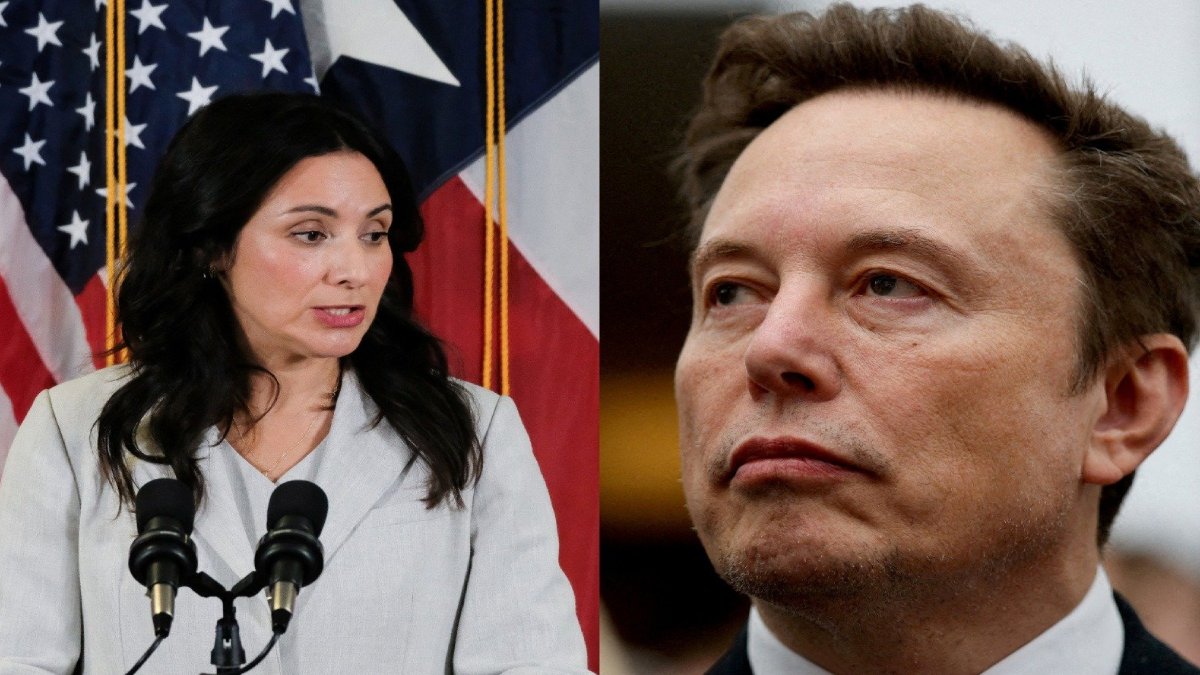
Since winning the Texas gubernatorial election Hinojosa has said the state must first serve its citizens before allowing more data centre projects to go up; billionaire entrepreneur Elon Musk’s companies can continue business relationships with Texas but only under conditions set by her administration.
Her comments are a sign that the state may be changing tack on the rapidly growing data centre industry which is attracting billions of dollars in investment because of increasing demand for artificial intelligence and cloud computing infrastructure.

Hinojosa told that Texas needed to stop its current approach to data centre development until residents were protected the state would pass laws “to protect Texans” and ensure technology companies behaved responsibly.
Her stance reflects public concern about how large data centres use electricity, water and local communities: They need huge amounts of electricity to power servers and cooling systems (companies are increasing their AI capacity all the time); residents shouldn’t be paying for the financial and environmental costs of major tech companies expanding.
One of the core elements of Hinojosa’s plan is an immediate moratorium on new data centre approvals until the Texas Legislature can come up with stronger regulations. She has said temporary restrictions are not enough and permanent legal protections are needed to hold people accountable; she criticized restrictions put in place by outgoing Republican Governor Greg Abbott during her campaign saying they were “not enough” for local communities. Hinojosa wants the moratorium to last until lawmakers meet in January 2027 and write rules that give Texans a meaningful role in decisions about new data centre projects.

Water consumption is one of the biggest concerns raised by the governor-elect. Large data centres need a lot of water for cooling (depending on technology and infrastructure used).
Texas Governor-elect Hinojosa plans to protect citizens from data centres, warns Musk to submit to 'their terms' Read @ANI Story I https://t.co/H9jCrChn1R #UnitedStates #ElonMusk #Texas #GinaHinojosa #DataCenters https://t.co/zZMNNC5qxz
— ANI Digital (@ani_digital) November 6, 2026
In areas where drought or water shortages are already common, development of massive facilities could put pressure on local water resources. Hinojosa has talked about communities that fear their water supplies will be affected by large industrial projects; measures she proposes include protecting local water resources and making sure data centre companies can’t enter into water agreements that threaten supplies for residents.
Electricity consumption is another big issue in the debate. AI data centres use a lot of power and the rapid growth of these facilities has raised questions about whether existing electricity infrastructure can cope with future demand.
Hinojosa wants companies to prove that their projects won’t increase electricity bills for ordinary households; she has also called for tax incentives and subsidies for large data centre operators to end (they should pay fairly rather than rely on benefits funded by taxpayers).
Her proposed regulatory framework (Texans First Data Center Priorities) also includes transparency and accountability: Hinojosa wants companies to stop using non-disclosure agreements that prevent communities from getting information about proposed projects.
She has pushed for requirements for union jobs and stronger local participation giving communities the right to vote on whether major data centre developments should be built in their area.
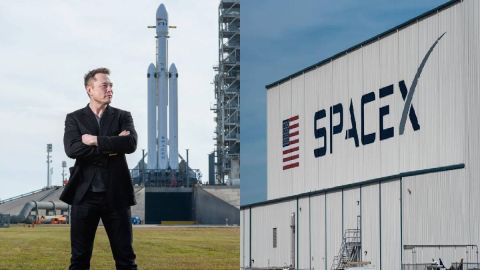
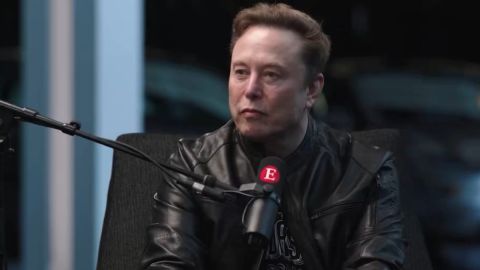
Elon Musk has also become part of the conversation because of his growing technology and AI interests in Texas. Musk founded xAI, an artificial intelligence company with big infrastructure ambitions, and backed outgoing Governor Greg Abbott.
Hinojosa has said she is open to a productive relationship with Musk and his businesses but that would have to follow priorities and regulations of her administration Texas is still open for business but not big business major corporations shouldn’t expect unlimited access to resources or preferential treatment.
Musk reacted to the changing political environment by posting on X that data centres in space were an option (his comment came as scrutiny of large data centre developments and their impact on local infrastructure grew).
The exchange shows how the debate between technology companies wanting to expand artificial intelligence infrastructure and communities demanding stronger environmental and economic protections is intensifying.
Hinojosa’s victory could be a turning point for Texas technology and industrial policy. She will take office on January 19, 2027 and will need state lawmakers to work with her to turn campaign promises into legislation.
Her proposals may face political and industry opposition but the debate over data centre development is getting bigger in the US as a whole so for Texas it will be about finding balance between attracting tech investment; supporting economic growth; protecting ordinary residents interests too. Hinojosa has made clear she wants companies to invest and do business in Texas but that protection of Texans must remain a priority.






Comments