
The Republican Party will also be testing Donald Trump’s influence on America’s Republican Party ahead of the November 3 midterm elections as many Republican candidates in competitive House and Senate races this week are now trying to distance themselves from the president in a big way ahead of the November 3 election, as a number of Republican candidates in competitive districts are reportedly trying to distance themselves from him in order to take away from him.
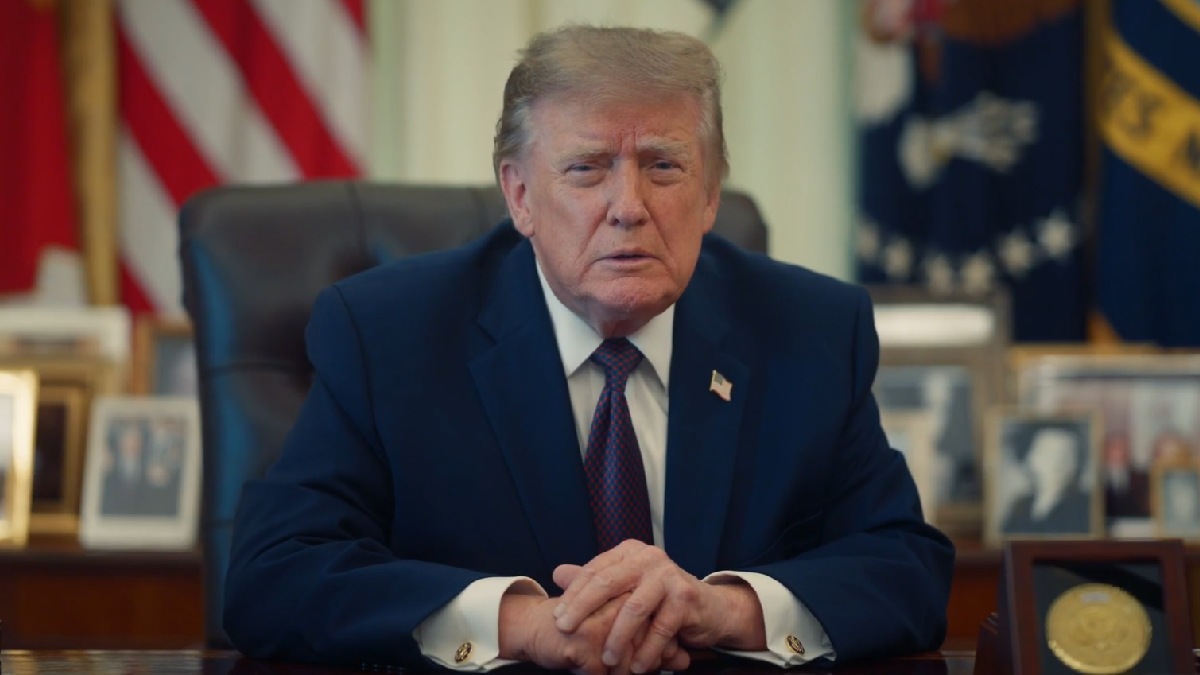
Republicans have been on the defensive at different points in their campaigns to separate themselves from Trump’s campaign and to help their chances in order to win.
The findings are a sign of a complicated political landscape for Republicans as they prepare for elections that could remake control of the US Congress. Trump is still at the center of the party nationally, but some candidates seem to be reacting to concerns about him being popular with voters in their constituency.
They are ready to openly oppose a particular president’s policy and quietly delete references to Trump from their campaign websites.
The Reuters report said that several candidates have criticized or opposed aspects of Trump’s policy agenda, including the war with Iran and his push on data centres. Other candidates have taken a less aggressive approach, refusing to say if they would rather the president campaign with them or avoid appearances at which he will.
The different strategies indicate that Republican candidates are weighing the benefits of association with Trump against the political risks in closely contested races. While his support is still important to many Republican politicians, the findings indicate that some candidates believe a more independent public image could help them appeal to voters beyond the party’s core support base.
Republican candidates break with Trump on key issues.
The Reuters analysis identified several Republican candidates that publicly disagreed with Trump on specific policies. Miami Representative Maria Elvira Salazar and Michigan Senate candidate Mike Rogers, for example, were among those in the mix for issues relating to the war with Iran or the administration’s hard-line immigration policies.
The report also discovered that at least a dozen candidates had removed Trump’s name, pictures or endorsements from their campaign websites. One of them was Mike Beltran, a Republican candidate against Democratic Representative Kathy Castor in Florida. Beltran’s website featured a picture of him with Trump in August, but the picture was removed and other references to the president.
Such political shifts are significant in an election campaign when a candidate has to manage their public image well and try to put forth a message that is relevant to voters in their districts. Removing references to a party leader does not mean giving up on the party’s broader agenda and this may or may not be a decision to distance the local campaign from the national political debate.
The Reuters analysis also found 11 Republican candidates who had criticised Trump on one issue, but backed him on others. This is clear from the relationship between the president and Republican candidates than loyalty and opposition. Some politicians are still championing his larger agenda, but disagree with individual decisions.
Nebraska Senator Pete Ricketts, for example, has criticized a proposal to expand beef imports. But he also appeared alongside Trump at a midterm campaign rally in Nebraska, demonstrating that policy disagreements have not necessarily prevented Republican candidates from campaigning with the president.
As Republican strategist Ron Bonjean told Reuters, candidates often distance themselves from a president during midterm elections. But he said it was the extent of the pushback from within Trump’s own party which stood out. He said candidates were representing voter attitudes in the races they were running against.
Republicans are in a tough Congressional battle.
The divisions come at a crucial time for Republicans who are defending narrow majorities and are already looking at losing control of the House of Representatives. The president’s party has traditionally lost seats in the House during midterm elections; it has a history of losing House members to the president’s party in the House.
The Republican majority in the House is especially vulnerable because of its slim margin. Democrats must win at least four seats to take control of the chamber, so competitive districts are at stake.
The Senate is a different electoral challenge. Democrats need at least four seats to win that may require Democrats to flip four seats— including contests in states that usually lean Republican. The results will look at individual races and candidate performance and voter turnout as well as national sentiment.
The challenge for Republican candidates is to strike a balance between Trump and Trump supporters' concerns for the Republican candidates who are concerned with them. His success in mobilising Republican voters is an asset for some of them because he can get them to vote for him and some may even argue that local issues and independent positions will be more likely to be good for him and the people they represent.
White House Defenders of Trump’s Party.
Despite the reported distancing of some candidates, the White House has rejected the claim that Trump’s leadership is weakening within the Republican Party. Trump is still the party’s “unquestioned leader, best messenger and unmatched motivator,” said White House spokesman Davis Ingle.
The Republican National Committee also said that the party is committed to the president and his agenda. National Press Secretary Natalie Baldassarre said Republicans were united behind policies on cutting taxes, lowering drug costs and securing communities.
Baldassarre said this party was focused on winning elections and candidates would establish campaigns that fit their districts to prevent Democrats from taking power. She also accused Democrats of being engaged in a “full-blown civil war with extremists.”
The competing messages underscore the political balancing act facing the Republican Party. Party leaders are continuing to stress unity behind Trump but individual candidates are making their own calculations about how close they are to going to associate themselves with him.
As the November 3 midterms approach, the performances of these candidates could give us a sense of how voters see Trump's influence beyond the national stage. If moving away from the president helps Republicans win seats or weakens the party’s ability to mobilise its supporters, this will be a key question in the congressional elections.







Comments
Leave a Comment