
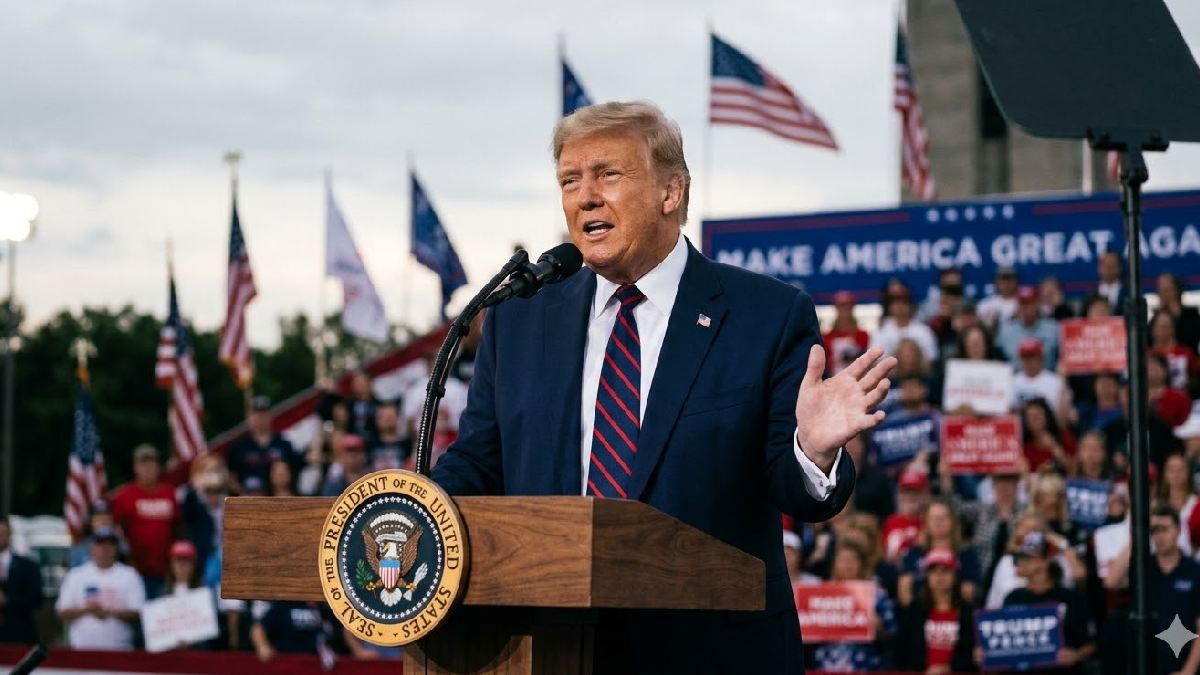
Trump has decided not to launch another round of strikes against Iran or accept a peace deal that Washington finds unfavourable. That’s how the White House is going to fight the conflict by weakening Tehran financially and economically.
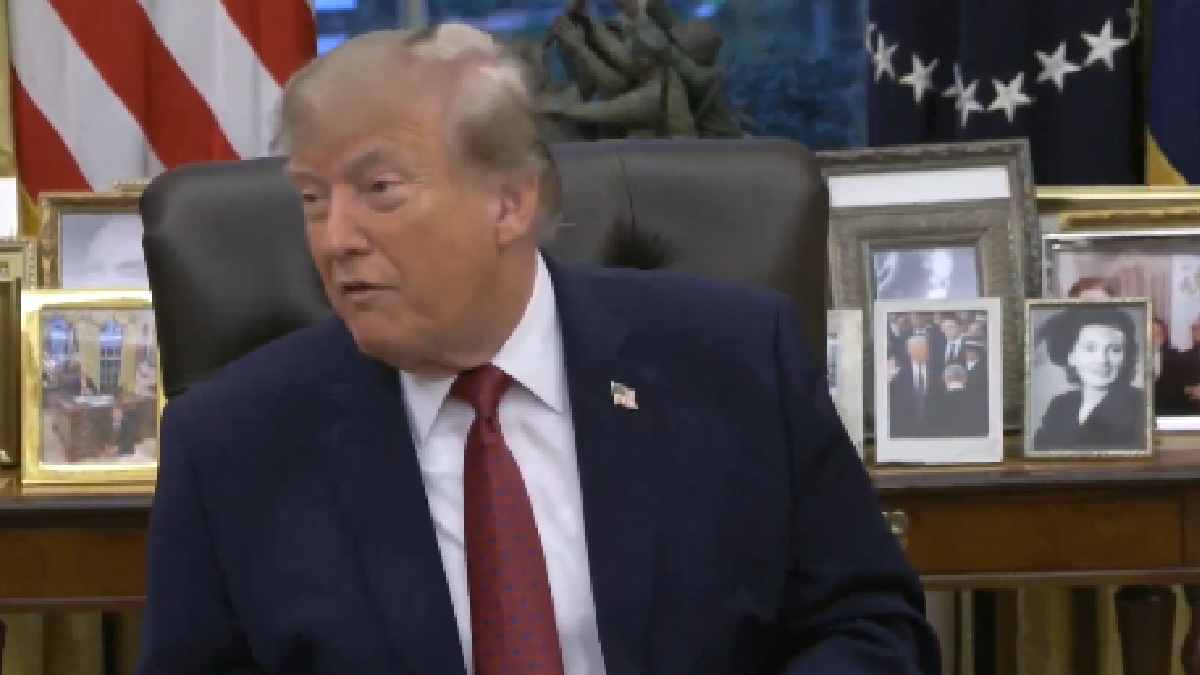
As Axios reported US Secretary of State Marco Rubio laid out the administration’s position at a meeting with G7 foreign ministers in Paris on Tuesday. He said that the President “had more than two options and didn’t have to choose between restarting the war and signing a peace agreement.”
Rubio said Washington would press on with its current campaign of pressure against Iran rather than agree to what the administration calls an unacceptable deal.
Economic Pressure Becomes Washington's Main Strategy
The strategy is to make Iran more financially hard up. The US wants to keep economic sanctions and its naval blockade in place but also limit Tehran’s ability to raise revenue, fund armed groups and rebuild military capacity.
The administration thinks that economic pressure will force Iran to accept Washington’s conditions but the approach doesn’t have a deadline which means that the U.S. is prepared to keep up the pressure for a while.
Rubio said Iran was already “under very serious economic pressure” and that it could get “harder and harder for the leadership of Iran.”
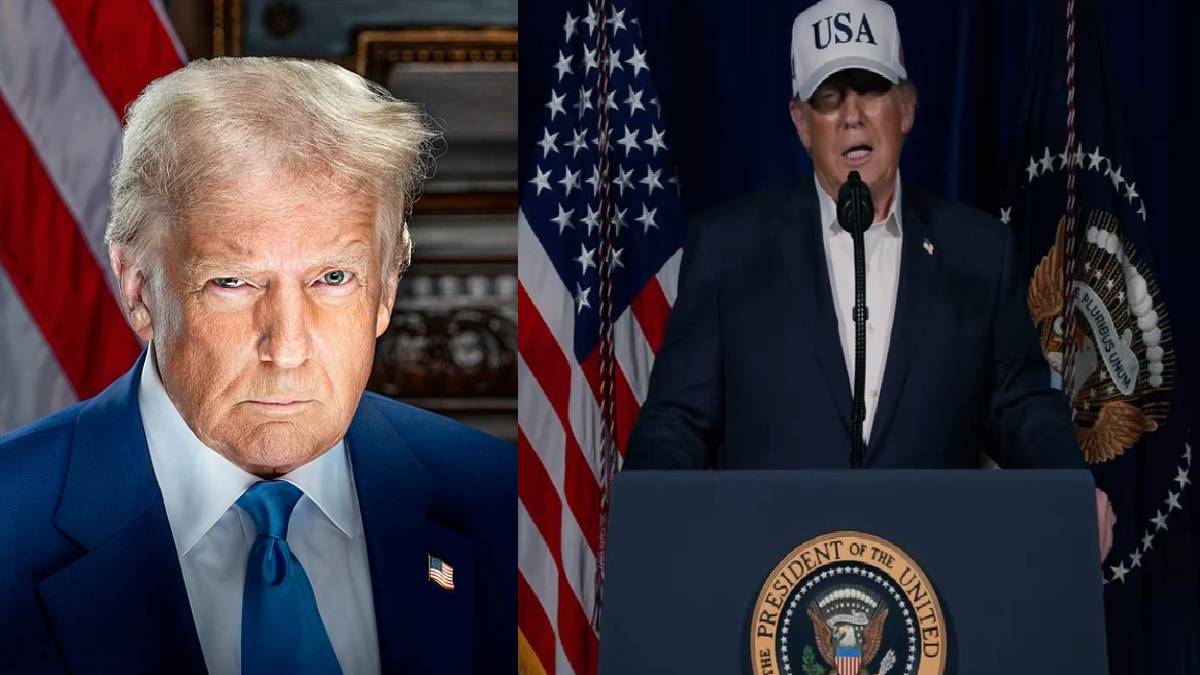
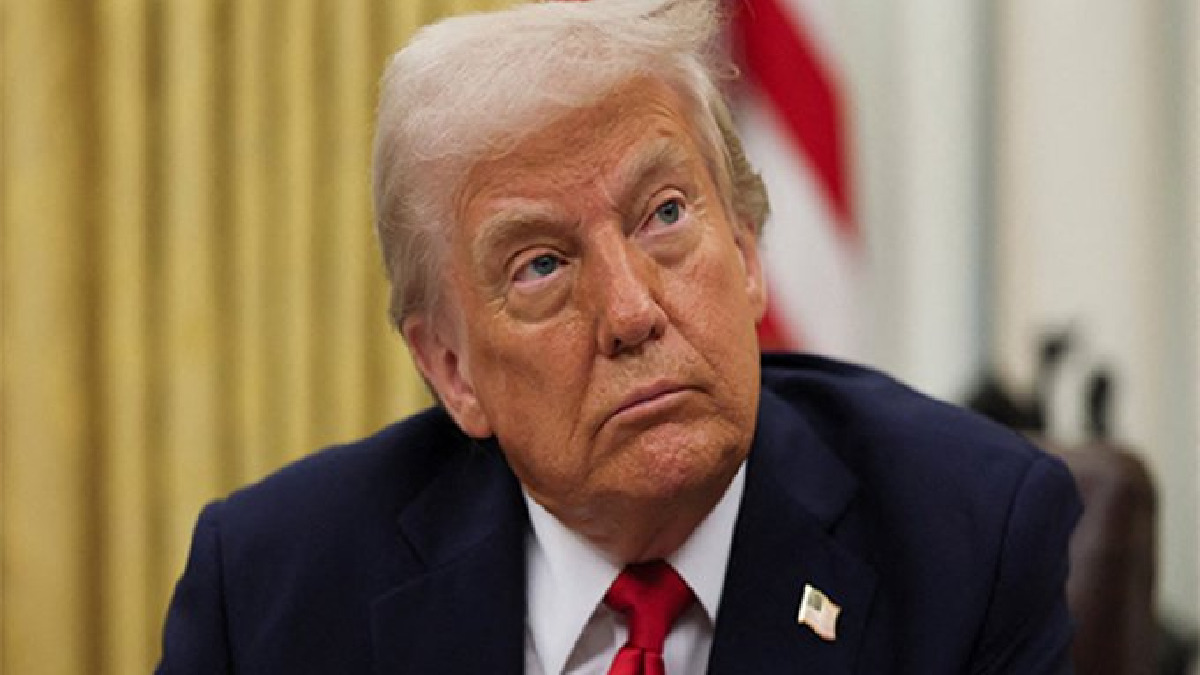
Trump’s move comes after months of uncertainty over whether the US would resume military operations or take another diplomatic step.
Military Action Remains an Option
Washington is not yet headed for a major military escalation but Trump has not ruled out more action against Iran.
In an interview with reporters recently he said fresh military strikes “didn’t look necessary right now.” He also said American forces were ready if things changed.
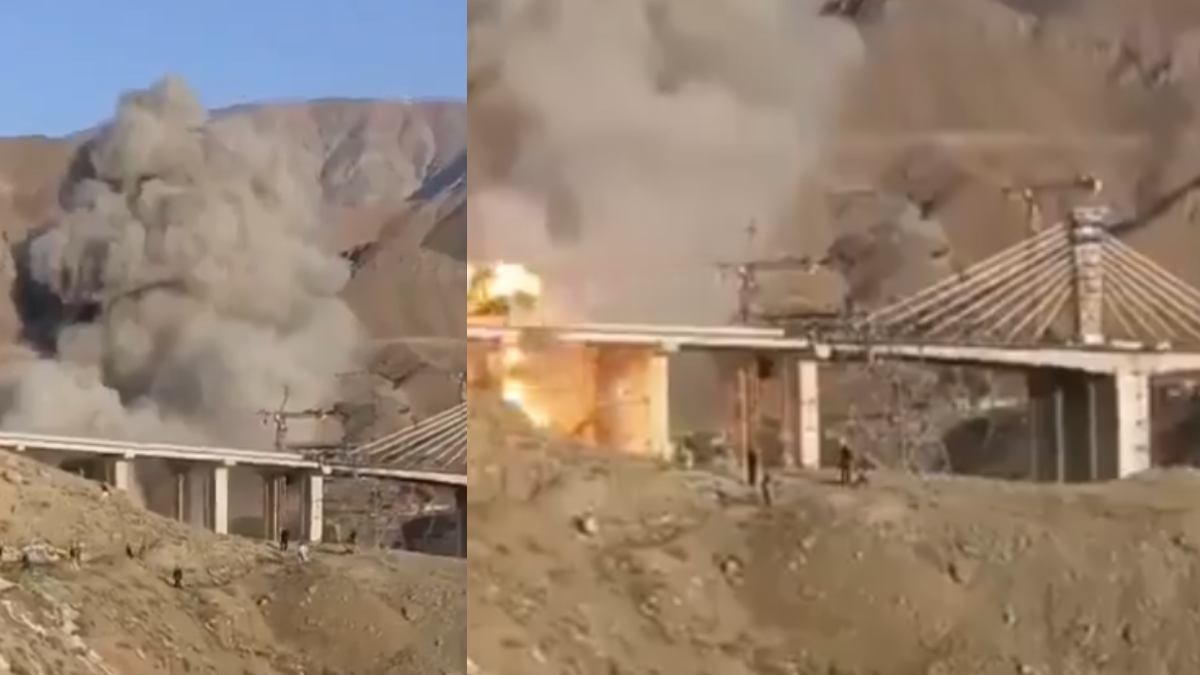
The US has been taking measures to limit Iran’s military and logistical capacity. A new operation (ironically called Iron Gate) is reportedly designed to disrupt the land routes that Iran uses to transport advanced weapons and technology.
The administration’s strategy thus includes economic restrictions, maritime pressure and attempts to limit military supply routes.
Iran and the United States Remain Far Apart
Despite diplomatic activity by regional countries Washington and Tehran have not agreed yet.
Qatar has been a key mediator between the two sides. Its Prime Minister met Trump recently as part of efforts to see what could be done to ease tensions.
However, Iran has insisted that the US must meet its conditions before talks can move forward. Iranian officials have also expressed concerns about the naval blockade and sanctions.
Iranian security official Mohsen Rezaei recently said negotiations were not taking place right now and Tehran was waiting for a clear response from Washington on its demands.
Regional and Global Concerns
The confrontation has worried neighbouring countries (particularly those concerned about further instability in the Middle East).
Turkey, Iraq and Pakistan are among countries reportedly worried that economic pressure and trade restrictions with Iran could lead to difficulties for the wider region in the longer term.
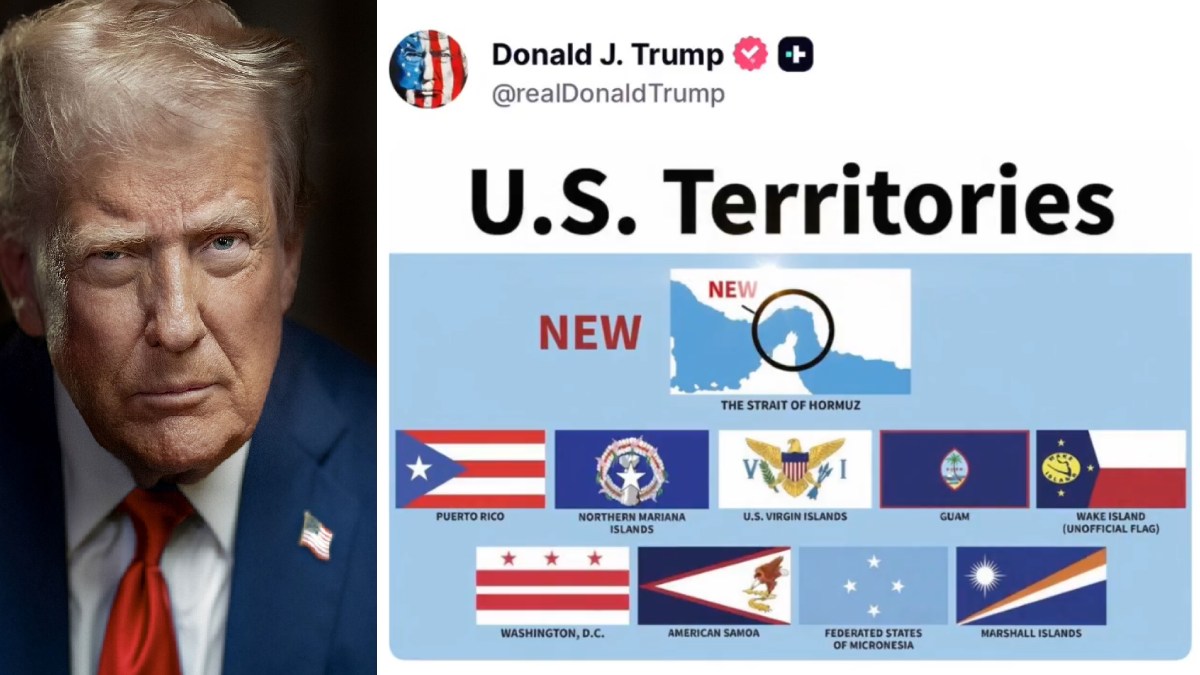
The situation also has implications for international energy markets because tensions around the Strait of Hormuz can disrupt oil transportation and global supply chains.
For now, Trump’s strategy seems to be keeping up the pressure without immediately going back to large-scale military operations or accepting a negotiated settlement.
Whether this strategy will bring Iran back to the negotiating table is unclear. Much will depend on Tehran’s response, regional mediation efforts and whether both governments are willing to change their conditions.



Comments