
SpaceX has moved its Super Heavy Booster 22 to the launch pad at Starbase in Texas. This is another important step in the development of the Starship rocket programme the latest advance in preparation for testing of the next generation Super Heavy V3 booster which will show an important advancement in rocket recovery technology.
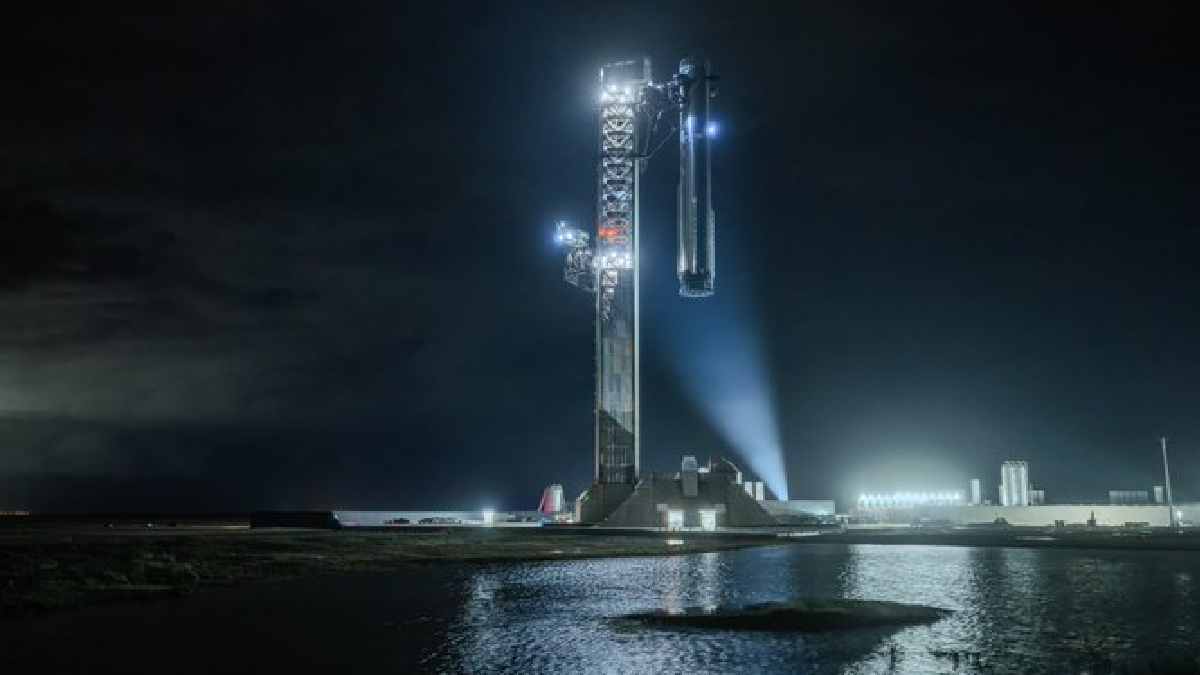
Booster 22 is the first Super Heavy V3 booster SpaceX plans to return to the launch site for a catch attempt. That’s important because SpaceX wants to catch its big rocket boosters with the launch tower mechanical catching system rather than relying solely on traditional landing methods.
After it arrived at the launch pad Booster 22 was used for final catch-related testing. One of the important steps was suspended squeeze test performed at height where booster is expected to be caught by the launch tower.
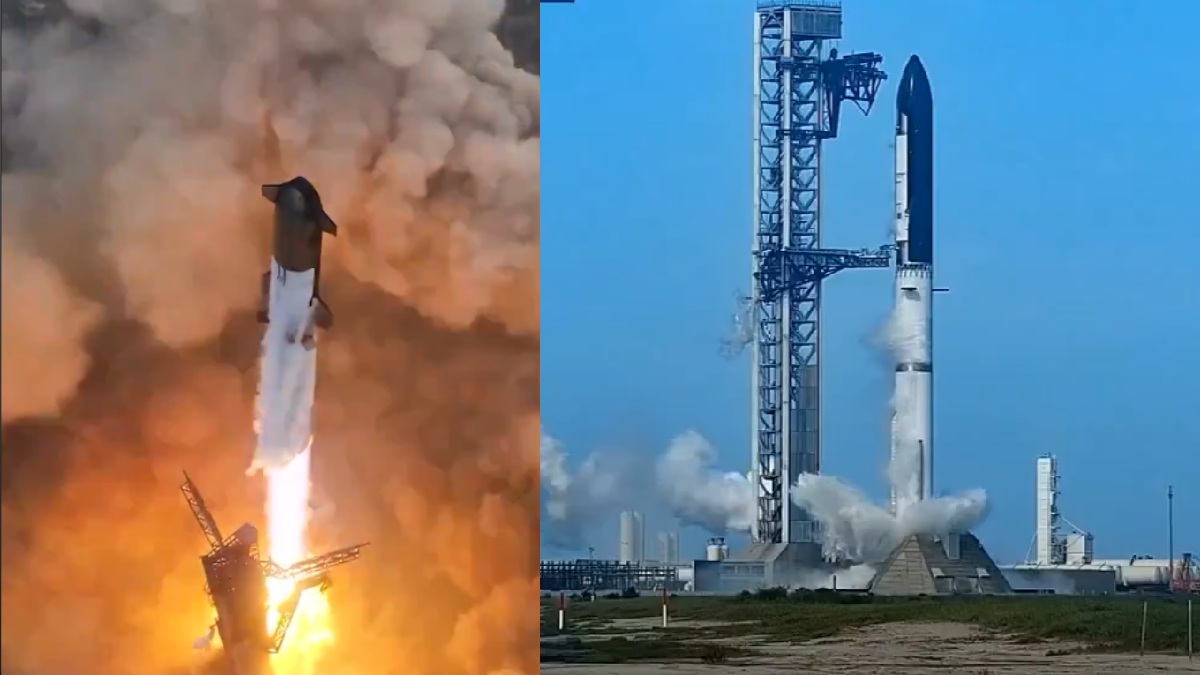
The test is to see how the booster interacts with the catching mechanism. When a catch operation is performed the launch tower mechanical arms (also known as chopsticks) are supposed to catch the returning booster and hold it there.
The suspended squeeze test allows engineers to see how the booster reacts to the forces involved in this process. It also lets them evaluate hardware and procedures needed for recovery.
Super Heavy V3 is the next step in SpaceX’s push to improve Starship launch system. SpaceX has been developing larger and more capable versions of its rocket hardware as part of its long-term plans for space transportation.

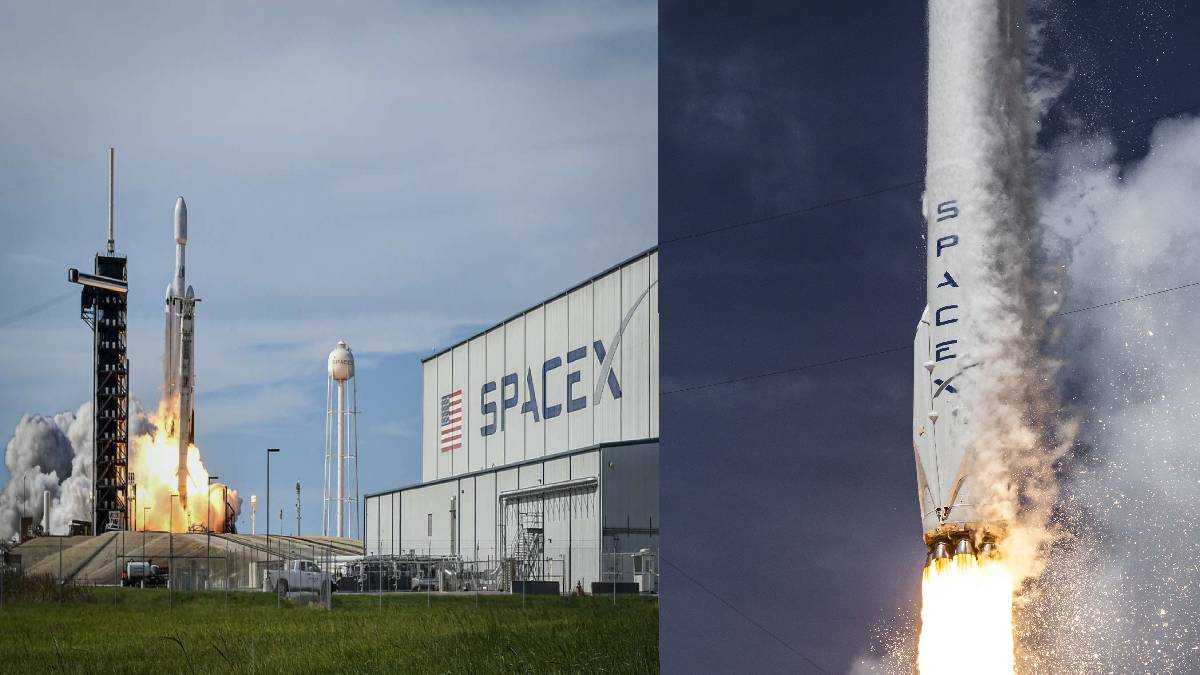
The upcoming Flight 15 mission will be the first test case for this recovery technology as SpaceX plans to bring back Super Heavy and the Starship upper stage to Starbase during the same mission.
Super Heavy moved to the launch pad at Starbase. Booster 22 is the first Super Heavy V3 booster planned to return to the launch site for catch and was used for final catch testing upon arrival, including a suspended squeeze test at catch height https://t.co/iYTX1e6DEH
— SpaceX (@SpaceX) November 10, 2026
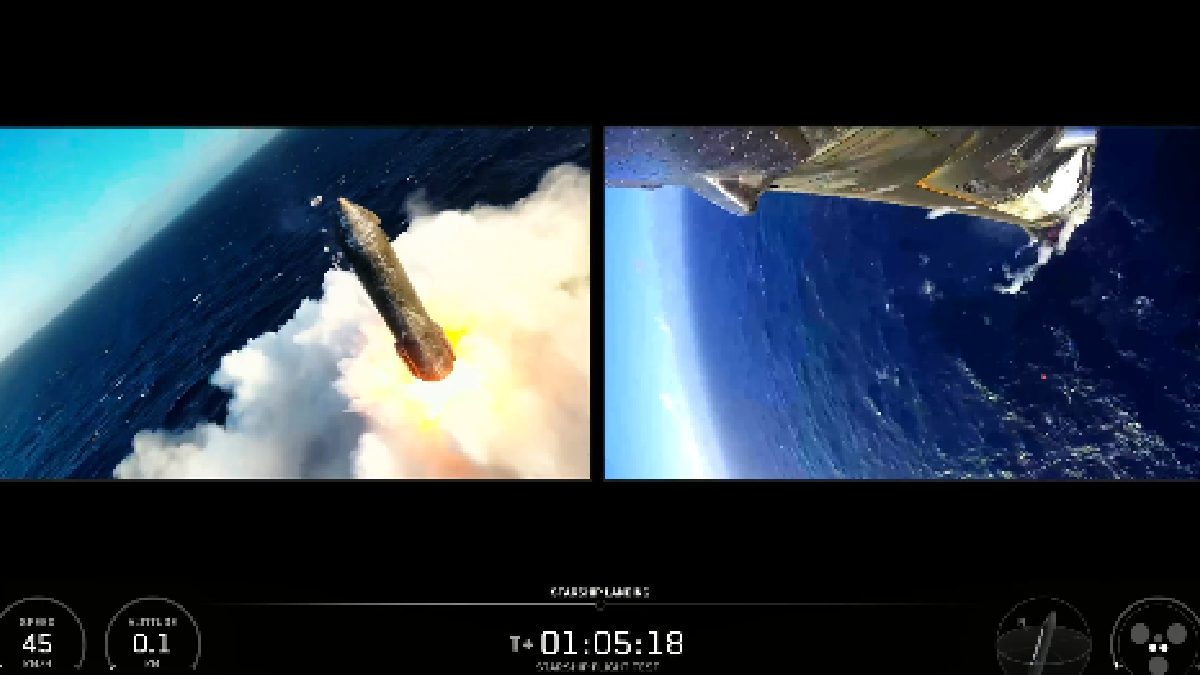
The booster is expected to return about six and a half minutes after liftoff. If successful, it would be another step towards recovering and reusing both stages of the Starship launch system.
SpaceX has already done three Super Heavy booster catches on other vehicles and Booster 22 will be the first V3 version intended for a return to launch site catch so this test is very important for the programme.
The mission has a more ambitious recovery goal as well. SpaceX wants to attempt the first tower catch of Starship upper stage (thus making this mission potentially a milestone in fully reusable orbital transportation).
Flight 15 is scheduled for November 13, 2026 (although the launch schedule and recovery operations are still subject to technical and regulatory conditions).
Booster 22 moving to the launch pad and its suspended squeeze test show what had to be done before attempting such a complicated recovery.
If the upcoming flight is successful it could yield information for future Starship missions as well as help SpaceX get closer to its goal of making rocket launches more frequent and affordable.
The development of Super Heavy V3 and its recovery attempt will therefore be watched by space enthusiasts and the aerospace industry.





Comments