
China’s renewed emphasis on ethnic unity under President Xi Jinping has also raised new fears about Tibet’s distinct cultural identity. Beijing says the campaign is meant to boost national integration and social stability but critics say it will slowly erode Tibetan traditions, language and religion.
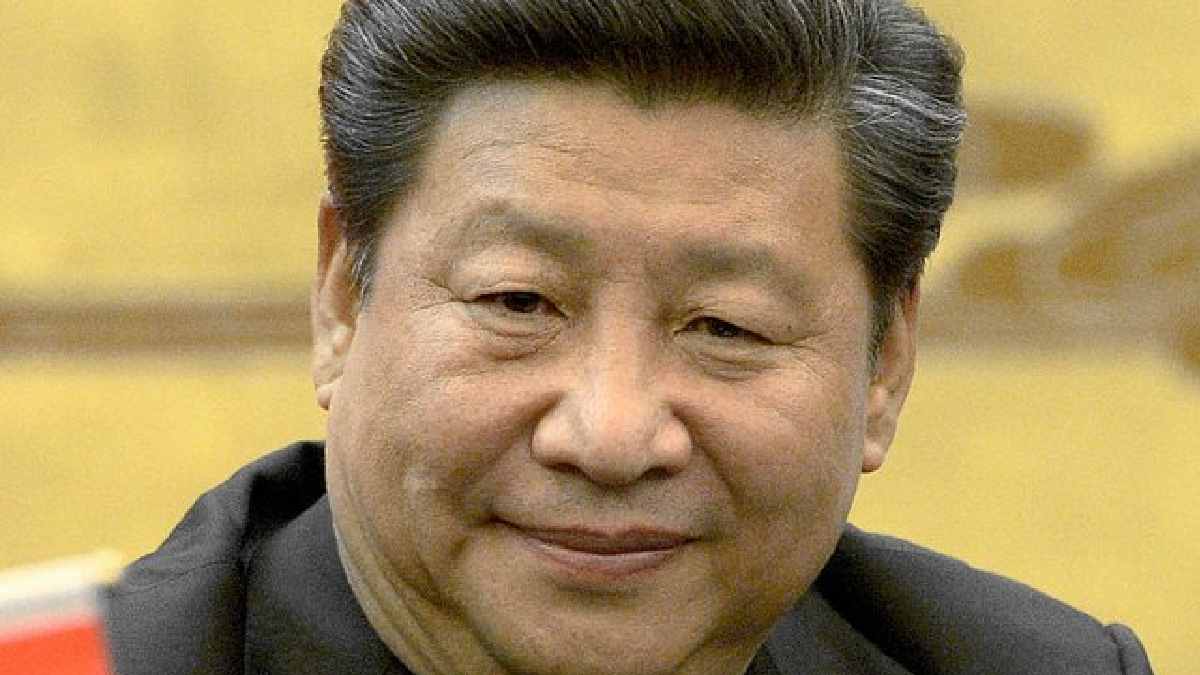
It is part of Xi Jinping’s wider vision of a stronger common Chinese national identity. His government has been emphasizing over and over again that different ethnic communities need to be brought closer together under the framework of a shared nation but questions are being raised whether this vision gives minority communities enough space to keep their own cultures and traditions alive.
Tibet is one of the regions most affected by this debate. The region has its own history, language, Buddhist traditions and cultural institutions so for generations it has had a distinct identity. Tibetans view these traditions as central to their heritage and way of life.
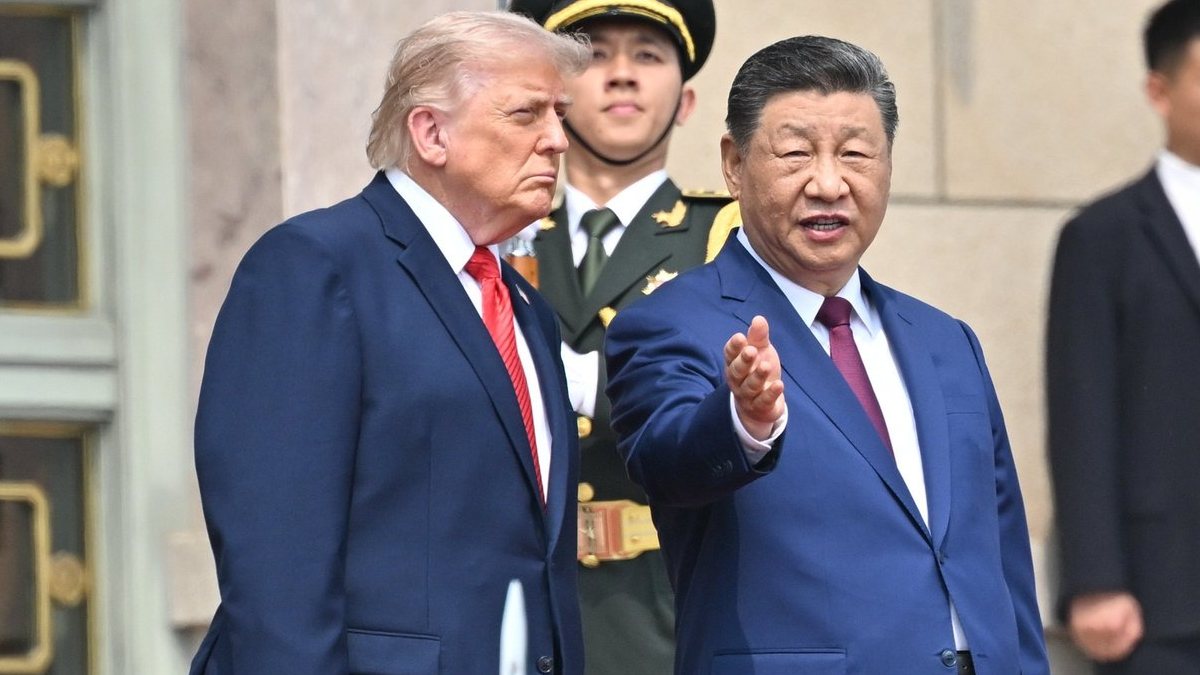
One of the biggest problems is that Mandarin Chinese is given more and more importance in education. Tibetan is still part of the region’s cultural heritage but critics say that if Mandarin takes precedence it could reduce opportunities for children to study and communicate in their native language. They warn this may weaken the connection between younger generations with their traditional culture.
Religious freedom is another major issue. Tibetan Buddhism dominates social and cultural life in the region. Monasteries, religious leaders and traditional practices have historically been important in maintaining Tibetan identity but China’s government says religious activities must conform to national laws and regulations so human rights advocates are concerned about the independence of religious institutions.
Stronger national integration is needed for economic growth, social stability and security says Xi Jinping’s administration. Beijing has also pointed to investments in infrastructure, education and public services across Tibet as evidence of efforts to improve living standards.

But critics say economic development shouldn’t come at the cost of cultural freedom. Human rights groups and Tibet advocacy groups have been raising concerns about restrictions on religious practice, language education and cultural expression.
The new Ethnic Unity and Progress Promotion Law passed in March 2026 (and taking effect July 1) has brought another dimension to the debate.
It focuses more on building a shared national identity and expanding Mandarin use in several areas of public life. Critics say implementation of the law could force minority communities to adopt mainstream Chinese cultural practices.
China has 56 ethnic groups recognized by the government (Han Chinese are in majority). The government wants these communities to be united but integration with national unity is a difficult task.
But for Tibetans it’s not just government policy at stake. It’s also the fate of their language, religious beliefs, traditions and culture and Xi Jinping’s vision of a unified Chinese nation will continue to be promoted even as concerns about whether Tibet’s distinct identity will be adequately protected grow louder.
The developments have brought China’s treatment of ethnic minorities back into focus internationally as well as the future of cultural diversity in China itself.



Comments