The fast-growing artificial intelligence industry is transforming the global IT services industry in ways that were thought futuristic.
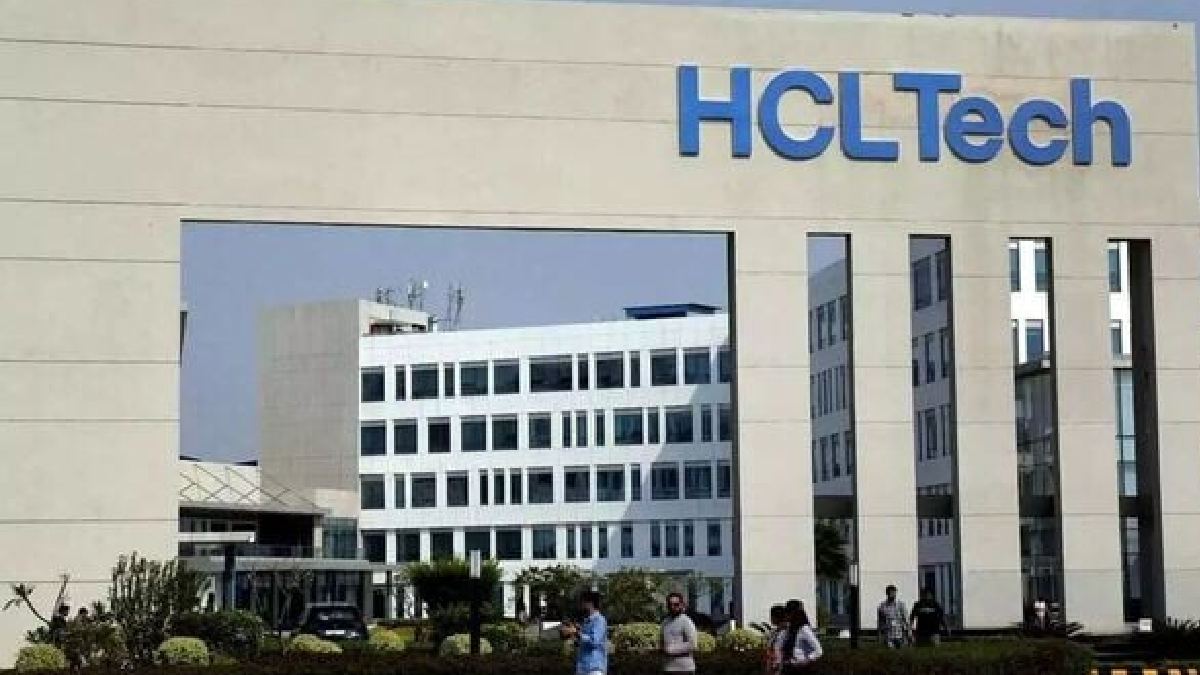
In a big blow, it is said that Indian IT giant HCLTech has lost nearly $50 million of project work from Google, as automation and AI-based solutions take over for human-run projects.
The development has reignited discussions about how generative AI and automation are changing the outsourcing industry, particularly for companies that rely heavily on application support, software maintenance, testing, and other repetitive technology services.
According to industry reports, Google is also increasingly using AI-powered automation in various internal operations, thus reducing the need for external assistance in certain projects. As such, HCLTech was already losing work volume due to one of its technology clients.
Although the loss of the project is little in comparison to HCLTech’s annual revenue, analysts say it is an industry trend. Global companies are aggressively investing in AI tools that can write code, test applications, manage cloud infrastructure, and support customers with minimal human involvement.
The change in the industry is expected to significantly damage traditional IT outsourcing models that have dominated the industry for decades. Organizations that generate revenue more efficiently by way of labor-intensive services are going to feel the pinch of an AI-based demand and the need to offer faster-than-human services.
But experts warn that AI is not going to replace all technology jobs entirely and it won’t eliminate technology jobs entirely. Instead, in the future, it will change the nature of work.
Demand is growing for professionals with artificial intelligence, machine learning, cybersecurity, cloud computing, AI governance, prompt engineering, and data science skills.
Indian IT companies like HCLTech, Tata Consultancy Services (TCS), Infosys, Wipro, and Tech Mahindra have already started investing heavily in AI platforms and employee upskilling programs. Many companies are training thousands of engineers to work alongside AI and not compete with it.
There was also a connection in mind with recent technology leaders’ warnings to the future, who have predicted that entry-level coding, software testing, and routine IT operations could become automated over the next few years.
At the same time, companies will continue hiring quality professionals who can design, code, monitor, and improve AI systems.
For investors, it shows the importance of tracking how IT companies adapt to the AI era. Companies that implement AI in their service offerings may remain competitive, and companies that don’t can be threatened by revenue erosion.
As for employees, the message is as clear as it can be: continuous learning is essential. Those who develop expertise in emerging technologies and AI-powered workflows will have a better career in the face of automation.
Instead of marking the end of the IT industry, HCLTech's loss of Google's project is a sign that the industry is in a new phase where artificial intelligence is a partner and in some cases a substitute for digital work, not a competitor.
The companies that will be able to adapt the fastest will be the ones that will be at the forefront of AI in the future.