
JPMorgan Chase, Visa and Mastercard have reported cybersecurity incidents involving third party service providers that pose a risk to customer information.
The incidents reportedly exposed (or could have exposed) some limited personal information about customers names and email addresses for example but all three financial companies said their internal payment networks and card transaction services are not affected.
The disclosures made on November 19, 2026 have reignited concerns about the growing cybersecurity risks facing major financial institutions and the external companies that support them.
What happened at JPMorgan Chase
JPMorgan Chase said third party companies that provide services to the bank were hit by a cyberattack. The bank’s initial investigation suggested attackers may have accessed some marketing information stored by outside service providers.
Some of the exposed information is customer names and email addresses. The bank said there had been no disruption to services and core banking operations were unaffected.
JPMorgan also said it would contact customers who may have been affected directly. Where appropriate, the bank plans to provide additional support (including complimentary credit monitoring services).
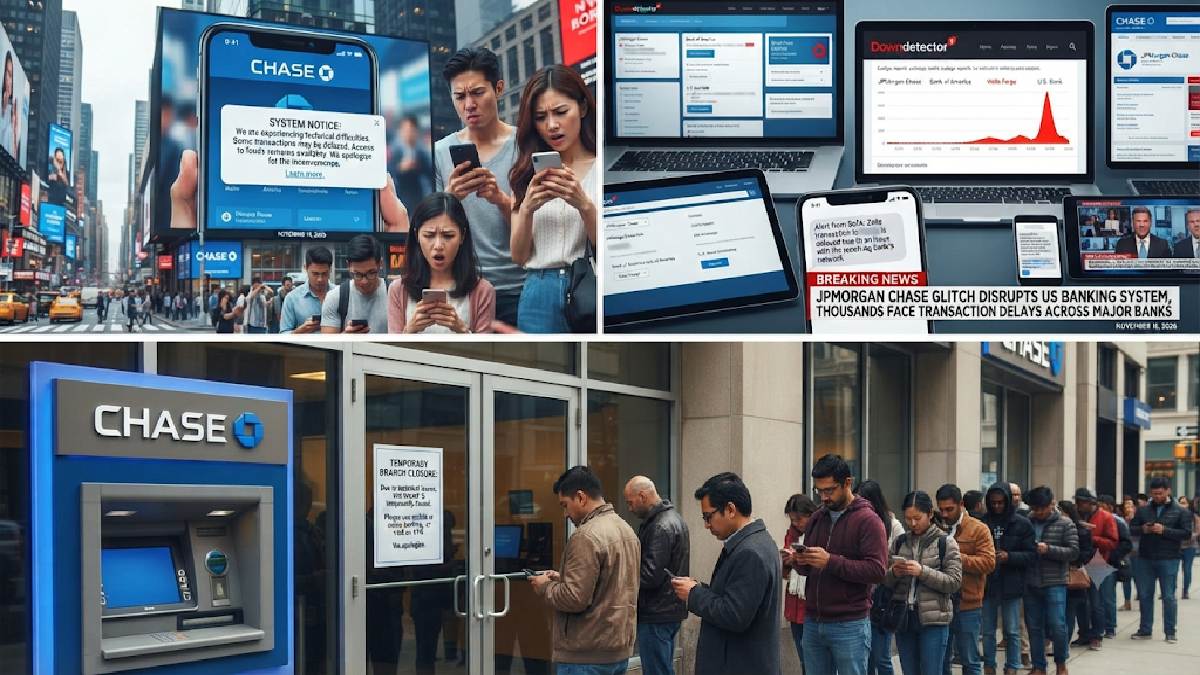
The bank stressed that the cyber attack was separate from problems some customers had earlier in the week when services were disrupted. Those problems were software related not a cyberattack.
Why are Visa and Mastercard involved
Visa also reported an incident with a third party service provider in the Asia-Pacific region. They said their systems were not compromised and that payment information (card numbers) was not breached.
Mastercard separately confirmed that an incident had occurred with one of its external service providers. A small amount of non-payment information (email addresses of a small number of cardholders enrolled in a certain benefits programme) was exposed, the company said.
Mastercard said the incident was contained and that teams were working with the service provider to support any customers potentially affected.
Both payment companies said their payment networks continued to operate normally and customers could use their cards without interruption.
Who is behind the cyberattacks
A cyber-extortion group n0n has reportedly taken credit for attacks on the three financial companies. The group allegedly posted information about the organisations on its data-leak platform.
However, the full extent of the incidents and whether all the material circulated online was genuine have not been independently verified. Companies have also not publicly disclosed which third party service providers were affected.
What does this mean for customers
Payment systems and card transactions aren’t affected but names and email addresses can create other security risks.
Cybercriminals could then use this information to send phishing emails that look real, impersonate banks or payment companies and trick customers into sharing passwords, banking details or one-time passwords (OTPs).
Customers should be wary of unexpected emails, messages and phone calls from financial institutions. They shouldn’t click suspicious links, share OTPs or give confidential banking information.
The incidents show how vulnerabilities in external service providers can pose security problems even when a company’s primary systems are secure.
For JPMorgan, Visa and Mastercard the immediate focus will be on finding those customers affected, supporting them and checking security checks across their third-party networks. These developments also highlight how important cybersecurity oversight is across the financial services industry.




Comments