Artificial intelligence is transforming industries at a dizzying pace, but for Microsoft AI CEO Mustafa Suleyman, healthcare is the single largest opportunity for change.
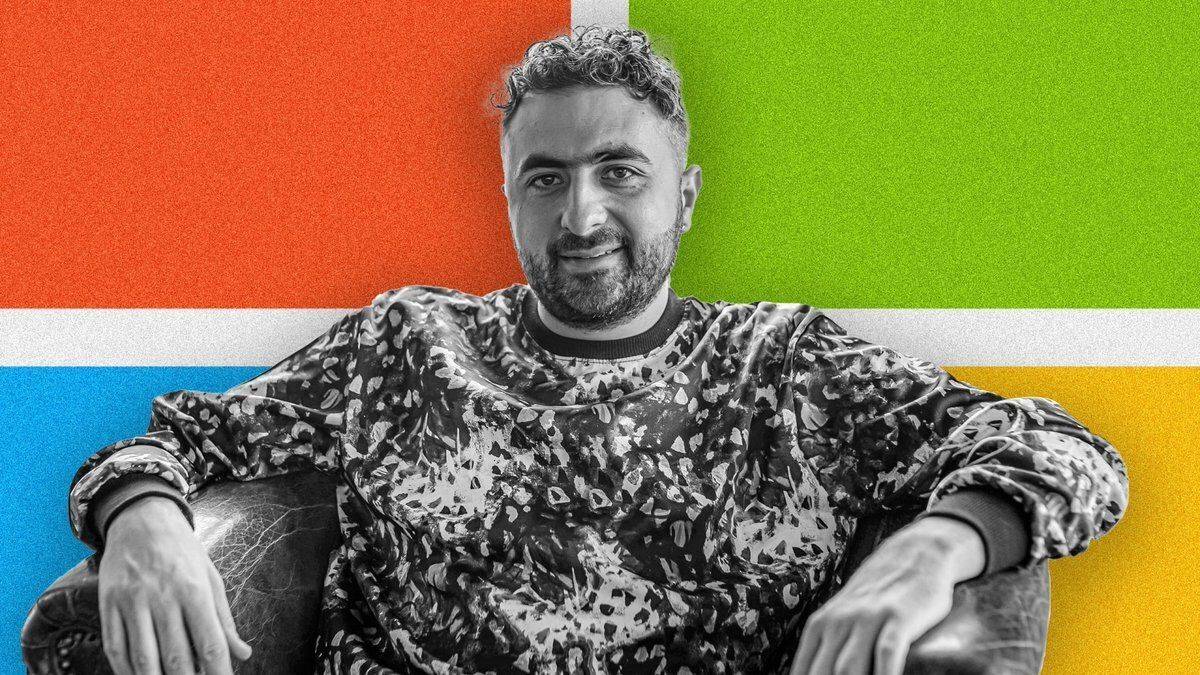
Speaking on the future of AI, he said medicine is “the biggest AI market,” and that no other field has the scale, urgency, and human impact.
Suleyman’s central argument is that AI can close the gap between medical expertise and global accessibility dramatically.
Advanced healthcare knowledge today is concentrated in large hospitals, urban centers, and specialized institutions. Millions of people, especially in rural and underserved areas, don’t get accurate diagnosis or expert-level advice. AI, he believes, could change this fundamentally.
With big-scale language models and multimodal systems that can analyze medical data, AI tools could eventually serve as always-available medical assistants. Such systems wouldn’t replace doctors, but rather act as powerful copilots helping clinicians make faster, more accurate decisions while also giving basic diagnostic guidance directly to patients.
One of the most transformative opportunities lies in AI-based triage and diagnosis. Patients might report symptoms, upload images, or tell us their medical history, and AI systems could provide preliminary assessments or suggest alternatives.
Thus, in areas with limited healthcare infrastructure, this could potentially reduce treatment delays and improve outcomes.
Suleyman also highlighted the potential for AI to democratize “top-tier medical expertise.”
Today, only elite specialists can interpret complex scans, rare conditions, or intricate test results with high accuracy. AI systems trained on vast medical datasets could help standardize this level of expertise, making it available to general practitioners and even patients themselves.
But the vision is not without challenges. Healthcare is one of the most sensitive areas for AI deployment, requiring strict regulation, clinical validation, and ethical oversight. Errors in medical AI systems can have life-threatening consequences, and reliability, transparency, and accountability are essential.
Data privacy is another major concern. Medical systems require very sensitive personal data, and the safe handling of this information is essential for public trust. Suleyman and others in the field recognize that good governance of AI will be as important as technological innovation.
AI healthcare solutions are slowly but surely being invested in. From drug discovery and personalized treatment plans to hospital workflow optimization and remote monitoring, AI is already changing the face of medicine.
Suleyman’s broader message resonates with the tech industry’s growing consensus that healthcare is not just another application area for AI it’s also the most important field. AI would reduce global health inequalities, speed up diagnosis, and bring expert-level care within reach of billions of people if it’s successful.
The world’s best medical knowledge would no longer be controlled by geography or income in this vision of the future. It would be available instantly, powered by intelligent systems in place to support both doctors and patients alike.