
Microsoft CEO Satya Nadella has explained why the technology giant is giving voluntary exit packages to about 60,000 employees in four countries (including India) as artificial intelligence continues to transform the global technology industry.
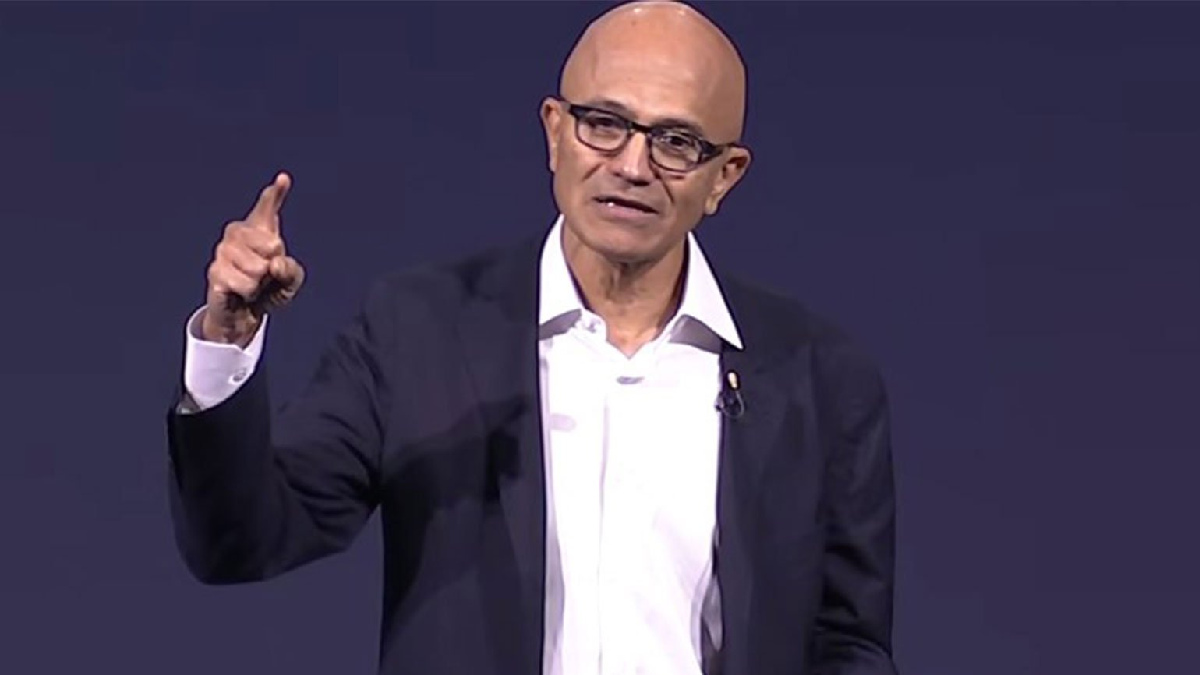
The programme has raised questions about jobs of the future, workforce restructuring and AI’s growing influence at work, but Nadella says it isn’t just a numbers game; the company wants workers to have more control over their professional and financial futures while also giving them opportunities to learn new skills and explore different career paths.
In an interview with The Pragmatic Engineer podcast, he said: “The nature of work at Microsoft is going to change significantly over the next few years because organisations have got to rethink team structures, responsibilities and capabilities.”
In explaining the reason for the voluntary exit program, Nadella said Microsoft has plenty of employment opportunities in the future, but those opportunities will be different from what employees are used to today. He talked about how AI is changing how people work (software engineering, product development and other technology-related jobs) because companies can’t keep doing things the same way when technology and business requirements change rapidly.
“Companies cannot go on operating with the same team structures and workflows when technology and business requirements are changing rapidly,” he said. Microsoft's workforce of more than 200,000 employees would have to be organised differently if new business priorities were to be addressed. Employees want to find opportunities where their experience and newly acquired skills create greater professional value.
One of the reasons for the voluntary exit offer is to help employees who feel professionally stuck in their jobs. Nadella said some people “may be working in teams that aren’t evolving fast enough or giving them career opportunities they expect”. Rather than forcing people to stay where they may no longer have ambitions, Microsoft wants to give them options.
Employees should “have more control over where they work and how they pursue long-term economic opportunity”, he said. Nadella also said the company wanted more internal opportunities so people could move into emerging areas without necessarily leaving Microsoft. The initiative therefore aims to give flexibility to both people considering an external move as well as those looking for new responsibilities within the organisation.
The voluntary exit programme (officially the Voluntary Exit Offer [VEO]) was launched in October 2026 and is open to employees in the US, Canada, the UK and India. It covers about 60,000 employees (about 27% of Microsoft’s global workforce of 223,000 employees as of June 2026), but the company has said that it isn’t for everyone.
Employees at internal job level 70 or below who work at participating organisations are eligible; sales, engineering and corporate functions employees are excluded depending on individual business needs. Eligible employees get financial assistance and career planning resources to help them transition into their next professional opportunity. The programme does not mean all 60,000 employees have to leave the company; participation is voluntary.
Microsoft’s Chief People Officer Amy Coleman said earlier this year that the programme was meant to give employees who were already thinking about leaving Microsoft more flexibility and also gave participating business units another way to adjust their workforce as operations change.
The exit package is understood to be broadly similar to Microsoft’s standard severance packages (salary and years of service compensation, stock vesting benefits where applicable, healthcare for a limited time period and career transition assistance). Employees were given a short window in which to decide if they wanted to accept the offer (early December), and those accepting it are expected to leave by the end of December 2026 (terms communicated individually).
Another interesting point Nadella made was how artificial intelligence would affect software engineering jobs. Traditionally, software engineers spend a lot of time writing code, finding errors and building applications, but AI-powered coding assistants and automated development tools are now able to do several routine programming tasks.
Experienced engineers might have a hard time making the transition because the skills that got them there in the past will need to be applied differently. Employees shouldn’t think AI is an excuse to give up their expertise; he said they need to learn new tools, stay curious and develop capabilities that go with AI technology. Engineers who have technical knowledge as well as the ability to work alongside AI systems could find new opportunities in the changing technology space.
Nadella also talked about emerging job roles like forward-deployed engineers who work directly with customers to implement technology solutions and solve real business problems (technical know-how, problem-solving skills and customer interaction skills are all part of that role).
Microsoft wants employees to have broader capabilities rather than narrow responsibilities; changing workflows will create new opportunities for professionals willing to adapt and learn new skills. Nadella’s comments echo a larger transformation taking place across the global technology industry where major companies are investing more in AI infrastructure while re-evaluating what they need from their workforce.
Microsoft’s voluntary exit plan follows several rounds of workforce cuts and restructuring in 2025 and 2026. In 2025, the company cut thousands of jobs across gaming, engineering and corporate operations divisions, among others. Earlier in 2026, Microsoft also ran a voluntary retirement programme that attracted participation from thousands of eligible employees. This latest move is another step in reshaping its workforce as it invests heavily in AI and cloud computing. Microsoft has said it continues to redeploy employees into different internal roles wherever opportunities arise.
For employees in India, it is especially important because the country is one of the four markets for which the voluntary exit offer is being made. But the programme doesn’t apply to all of Microsoft’s Indian workforce; only eligible employees working in participating organisations can consider the offer, and individual terms depend on what communication they receive from the company.
As Microsoft expands its AI capabilities, employees across the tech sector may need to re-think skills and career plans too. Nadella’s message is clear: the future will bring new opportunities, but people will work differently, the skills they need will change, and technology teams will be reshaped. The latest voluntary exit programme shows how one of the world’s largest technology companies is preparing for that transformation.





Comments