
Oracle’s overall restructuring costs in fiscal 2026 are going to rise by $700 million to $2.8 billion and will continue to add to an already heavy investment in artificial intelligence systems, with growing pressure on its cash flow.

The new $700 million represents more restructuring that Oracle expects to undertake, according to a regulatory filing. Job cuts and contract terminations are part of the plan, and severance charges make up a large part of the overall cost. Oracle had $2.1 billion in costs related to the plan at the time it announced the new increase.
The recent news illustrates the very difficult financial calculus Oracle faces as it grows artificial intelligence and cloud infrastructure businesses so quickly. It is spending billions of dollars on data centres to meet the growing demand for AI computing and also on cutting costs in other areas of the company.
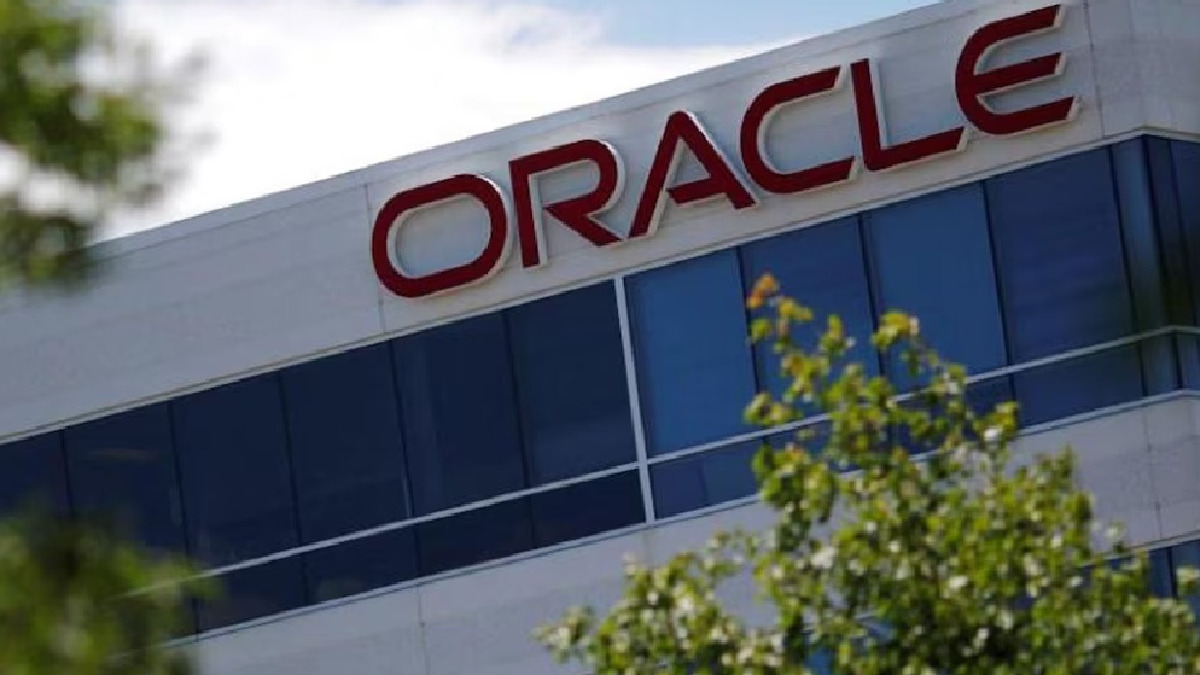
Oracle’s workforce has already drastically declined. As of May 31, 2026, it had nearly 141,000 full-time employees, down from about 162,000 just a year ago. That’s nearly 21,000 workers, or 13 per cent. AI technology adoption and deployment at the company has contributed to workforce cuts and will continue to affect employment levels.
The last restructuring announcement comes at a time when Oracle is investing heavily in AI. Cloud infrastructure for artificial intelligence is needed, and Oracle is increasing data centre investment. Oracle’s cloud infrastructure revenues grew 121% year-on-year in the third quarter, in line with the scope of the AI-related computing services for Oracle.
But building up AI infrastructure takes a lot of money. Oracle spent $28.5 billion on capital expenditure in the third quarter, and the capital expenditure for the entire year is around $90 billion to $95 billion. That has pushed the company into negative free cash flow territory, which has put investors on the spot about how quickly AI infrastructure spending will bring sustainable returns.

But Oracle has still been seeing strong demand for its cloud services. Oracle acquired more than $30 billion in new AI-related cloud contracts in the third quarter, bringing its total performance obligation - or sales backlog - to about $664 billion.
And the tension between the demand for AI and workforce reduction is becoming apparent in the tech sector. Companies are investing heavily in AI and changing processes to get a better bottom line, and automation and AI tools are being deployed with smaller teams to solve the workloads that would have been more challenging for larger teams to do manually. On the other hand, analysts and economists have also noted that not all tech sector layoffs are due to AI - they are simply cost-cutting, restructuring and financial reality factors.
The $700 million increase for Oracle indicates the company’s AI transformation is going to be a big spend now. And while the company is getting a lot of demand for AI cloud services at the moment, it has to carry out data-centre expansion with debt and still make money.
So the restructuring could be part of a larger shift in Oracle’s strategy to shift resources to areas that are needed for growth. AI infrastructure and cloud computing and efficiency, in other words, are what they’re spending more on now.
But for employees, as well as the tech industry, this is another reminder that the AI boom is reshaping the workforce at the same time as it is shaking up the computing infrastructure. Oracle’s decision to increase restructuring spending to about $2.8 billion may indicate that there are more organisational changes in store as the company goes ahead with a huge AI investment programme and that the company is going to get more to do.










Comments