Oracle employees came to work on September 1 with an unusual mix of anxiety and uncertainty as they anticipated another big layoff round and an alarmingly quiet morning.

Many workers were anticipating that the company’s widely feared “6 AM email” would be sent (based on the timing of termination notices during Oracle’s previous round of job cuts). But by September 1, the emails were not about, and employees were left to wonder whether the layoffs had been delayed or cancelled.
The September 1 date was important in many ways because it was the first day of Oracle’s second fiscal period. There had been speculation that managers were being asked to identify positions that might be cut, with some teams having to do so by double digits. Oracle has not admitted publicly a September 1 layoff programme and has not publicly announced that a large-scale workforce reduction would take place on that day.
The absence of the expected email did little to calm employees. Instead, workers have been discussing possible dates for future cuts on internal systems, Slack activity and online employee forums. The dates that are being discussed now are September 15, though Oracle has given no official indication of layoffs that day. September 30 has also been mentioned in speculation, illustrating just how uncertain the situation is.
Why the 6 AM email became a symbol of Oracle layoffs
The intense focus of the timing of layoffs stems from Oracle’s previous job-cut exercise. During the March 31 restructuring, employees received termination letters early in the morning. For some workers, the email essentially marked the end of their employment, and the 6 AM timing is a profoundly disturbing memory.
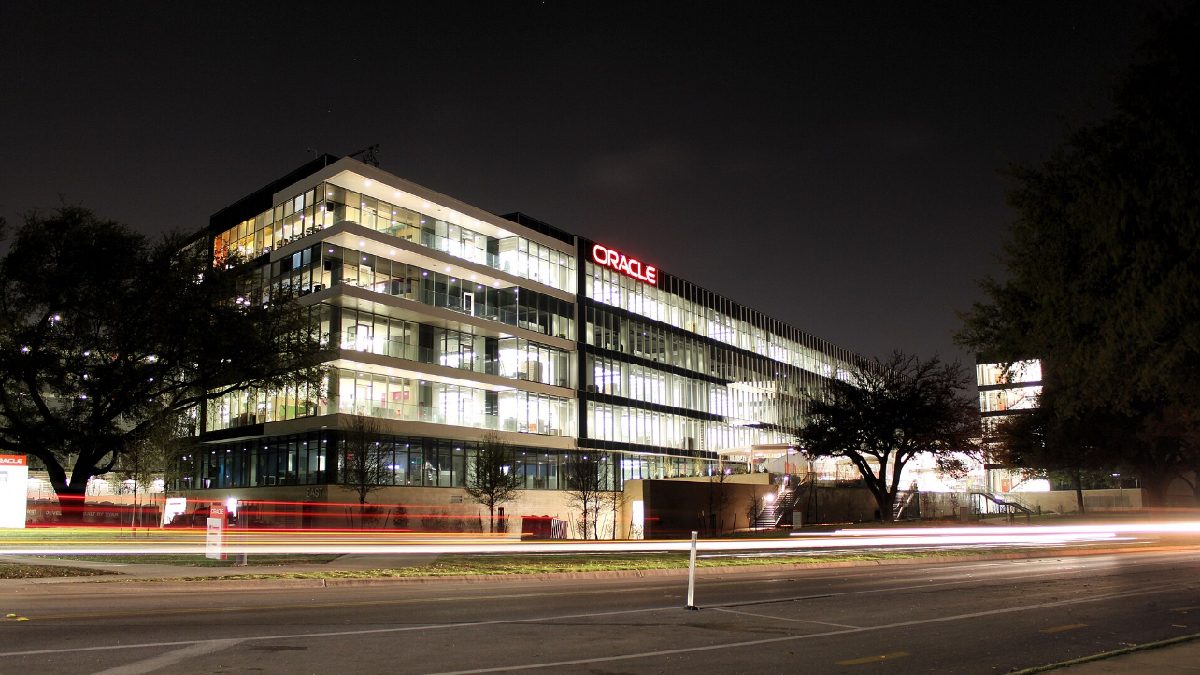
The March cuts affected around 10,000 employees, with employees in the United States, India, Canada and Mexico among those affected. And Oracle Health, Cloud, Sales, Customer Success and NetSuite’s India Development Centre are on the list.
That experience is why September 1 became such a tense day. People who had already experienced or witnessed the March restructuring were understandably watching their inboxes closely. The absence of an email at the anticipated time did bring some relief, but it did not remove concerns that job cuts could simply be happening according to a different schedule.
Why September 15 is now being discussed
The possibility of September 15 has emerged largely through employee discussions and reports rather than an official Oracle announcement. There are reports that workers are considering September 15 or September 30 as possible alternative dates after the expected September 1 action failed to materialise.
This is important. September 15 should be treated as a reported possibility, not a confirmed Oracle layoff date. So workers and job seekers need to be cautious about social media posts or anonymous claims that date could be claimed on the job.
The uncertainty is particularly relevant for Oracle’s large workforce in India. Technology workers in Bengaluru and other big cities have been closely following reports about possible workforce reductions. Online discussions have tried to spot potential signals from internal systems, but such signals are not a legitimate indicator a particular employee will be fired.
Oracle’s financial picture adds to the uncertainty
The layoff speculation is also in the context of a complicated financial environment. Oracle has been able to see strong business growth and announced in fiscal 2026 that revenues increased 17% to $67.4 billion and cloud infrastructure revenues increased 77%. Meanwhile, spending in data centres and artificial intelligence infrastructure is booming at the same time for the company.
Oracle’s capital expenditure in fiscal 2026 had reached $55.7 billion, up from $21.2 billion a year ago. The company also reported negative free cash flow of $23.7 billion for the year. Those numbers highlight the huge financial demands for Oracle to grow AI and cloud.
The combination of high revenue growth and aggressive AI investment is why workforce reductions have raised so many questions. Employees may wonder why a company expanding its cloud and AI operations would simultaneously consider reducing headcount. What is the answer is a lot of it is that large tech companies are reallocating their budgets so that some jobs will go to automation and skills related to newer technologies are given priority.
Oracle’s workforce had already declined significantly during the fiscal year ended May 31, according to reports. The company’s headcount dropped by about 21,000 employees, or 13%, to about 141,000.
What Oracle employees should expect next?
For now the most important thing is that the much anticipated September 1 “6 AM email” did not arrive as expected. That does not establish that another layoff round has been cancelled, nor does it confirm that September 15 will become the next major date.
Employees will likely keep watching official communications but can’t make any conclusions based on Slack numbers, anonymous forum posts or unverified internal rumours. Without Oracle making a formal announcement, the timing, size and geographic effects of any potential additional workforce reduction are not certain.
In the technology sector more generally, the situation points to a more general trend: companies that are benefiting from AI and cloud growth are reorganizing their workforces as they increasingly devote massive amounts of money onto infrastructure and new technologies.
For Oracle employees who had spent September 1 waiting for the familiar early-morning message, there was silence. But that silence has not ended the uncertainty. Instead, attention has turned to the next possible dates with September 15 for the first time being one of the dates employees are keeping an eye on even though Oracle has not confirmed it.